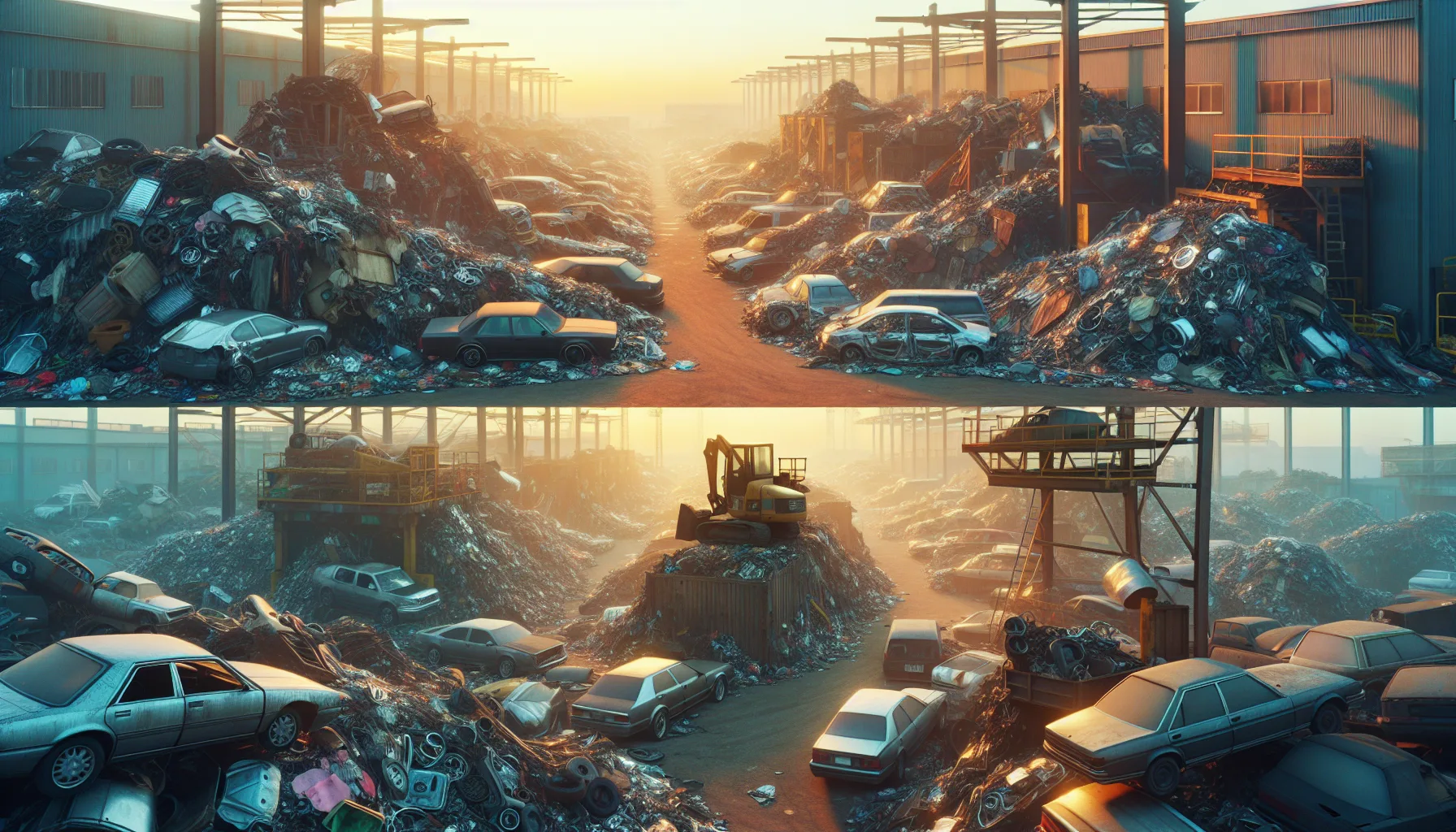
Every car begins its journey on a factory assembly line and eventually ends up in a scrap yard. Understanding this complete lifecycle helps Halifax car owners make informed decisions about when to get cash for your car in Canada rather than continuing expensive repairs. The automotive lifecycle spans decades, involving manufacturing, ownership, depreciation, and finally recycling — where platforms like SMASH turn end-of-life vehicles into valuable resources.
Birth on the Assembly Line: Manufacturing and Early Years
Modern vehicles start as raw materials — steel, aluminum, plastic, and glass — assembled into complex machines. Canadian automotive plants produce thousands of vehicles annually, each beginning with a manufacturer's suggested retail price that immediately starts depreciating.
During the first five years, cars lose approximately 60% of their original value. New car owners enjoy warranty coverage, reliable performance, and the latest safety features. However, this period represents the steepest depreciation curve in the vehicle's lifecycle.
Smart buyers often target vehicles in their second or third year when initial depreciation has occurred but reliability remains high. These vehicles offer excellent value before major maintenance becomes necessary.
The Prime Years: Peak Performance and Value
Years five through ten typically represent a vehicle's sweet spot. Depreciation slows while performance remains strong with proper maintenance. Many Halifax drivers find this period offers the best balance of reliability, features, and affordability.
During these years, regular maintenance becomes crucial. Oil changes, tire rotations, brake service, and transmission fluid changes keep vehicles running smoothly. Well-maintained cars from this era often provide another decade of reliable service.
However, technology advances quickly. Features standard in newer models — advanced safety systems, improved fuel economy, enhanced connectivity — may make older vehicles feel outdated despite mechanical reliability.
Market dynamics shift during this phase. While the vehicle still holds decent trade-in value, owners must weigh repair costs against replacement benefits. Get a free car valuation to understand current market positioning.
The Decline: When Cash for Cars Halifax Services Become Valuable
After ten to fifteen years, vehicles enter their decline phase. Repair frequency increases while resale value plummets. Components like transmissions, engines, and electrical systems require expensive attention. Air conditioning, power steering, and suspension systems commonly fail.
This stage creates difficult decisions for Nova Scotia vehicle owners. Repair costs often exceed the vehicle's market value, making continued ownership financially questionable. However, sentimental attachment and familiarity keep many drivers investing in aging vehicles.
Professional services that we buy junk cars Halifax become increasingly relevant during this phase. Rather than continuing expensive repairs on a declining asset, savvy owners convert remaining value to cash. They use these proceeds toward newer, more reliable transportation.
Warning signs include frequent breakdowns, rust damage, engine problems, transmission issues, and failing safety systems. When repair estimates consistently exceed $1,000, consider cash-for-cars options instead of throwing good money after bad.
End of Road Life: The Transition to Scrap Value
Eventually, every vehicle reaches the point where repair costs become unrealistic. Engines seize, transmissions fail catastrophically, or structural damage makes driving unsafe. At this stage, traditional trade-in value disappears, but scrap metal recycling Canada operations provide final value recovery.
Even non-running vehicles contain valuable materials. Steel comprises approximately 65% of vehicle weight, while aluminum, copper, and platinum group metals add significant value. Catalytic converters alone contain precious metals worth hundreds of dollars.
Modern vehicles also contain recyclable plastics, glass, and fluids. Professional recycling operations safely remove hazardous materials like oil, coolant, and battery acid while recovering maximum material value.
The recycling process involves careful dismantling. Usable parts get resold to repair shops and individual owners. Fluids receive proper disposal or reconditioning. Finally, the remaining shell gets shredded and separated into material types for manufacturing new products.
Making Smart Decisions Throughout the Vehicle Lifecycle
Understanding automotive lifecycles helps owners make better financial decisions. During peak years, focus on maintenance to extend reliable service life. As decline begins, monitor repair costs carefully against vehicle value.
Consider total cost of ownership beyond purchase price. Insurance, fuel, maintenance, and repairs accumulate over time. Older vehicles often cost more to insure despite lower values due to increased accident risk and repair complexity.
Technology replacement cycles also influence decisions. Modern safety features like automatic emergency braking, blind spot monitoring, and advanced airbag systems provide significant protection improvements over older designs.
Halifax's harsh winter conditions accelerate vehicle aging through salt corrosion and temperature extremes. Maritime climate factors mean vehicles often require replacement sooner than in milder regions.
When replacement time arrives, read car selling tips to maximize value recovery. Professional buyers understand vehicle conditions and offer fair market prices based on actual usable materials and parts.
Platforms like SMASH Recycling — where verified buyers bid on your metal connect vehicle owners with competitive buyers. This approach ensures fair pricing while providing convenient service throughout Nova Scotia.
Frequently Asked Questions
Q: When should I consider cash for cars Halifax services instead of trading in?
Consider cash-for-cars services when your vehicle needs repairs exceeding its trade-in value, has high mileage with mechanical problems, or when dealerships offer minimal trade value. Cash buyers often pay more for vehicles with scrap or parts value.
Q: How much can I expect for my old car in Halifax?
Prices vary based on vehicle size, weight, current scrap metal prices, and usable parts value. Compact cars typically range from $200-500, while larger vehicles can bring $300-800. Current market conditions and metal prices affect final offers.
Q: Do cash for cars services pick up non-running vehicles?
Yes, most reputable cash-for-cars services in Nova Scotia provide free towing for non-running vehicles. This service eliminates transportation costs and makes selling convenient even when vehicles cannot be driven.
Q: What paperwork do I need to sell my car for cash in Halifax?
You'll need the vehicle registration, proof of ownership, and valid identification. If you're not the registered owner, bring authorization from the owner. Some services handle title transfer paperwork as part of their service.
Q: Is selling to cash for cars services better than donating my old vehicle?
Cash sales provide immediate monetary benefit and ensure proper recycling. While donation offers tax benefits, cash sales give direct value that you can use toward newer transportation or other needs immediately.
Every vehicle eventually completes its lifecycle journey from assembly line to recycling facility. Smart owners recognize when continued ownership becomes financially impractical and convert remaining value to cash. Whether your car is reaching the end of its useful life or you're ready to upgrade, get cash for your car in Canada — get a free quote at cashfor-cars.ca.
Follow SMASH on LinkedIn for industry updates and scrap metal market insights.