When Maria from Chilliwack sold her 2014 Honda Civic through get cash for your car in Canada, she wondered what would happen to her faithful companion after the tow truck disappeared down her driveway. Her car had served her well for over a decade, but mounting repair costs made keeping it impractical. Understanding scrap car value today helped Maria make an informed decision, but the journey of her vehicle was just beginning.
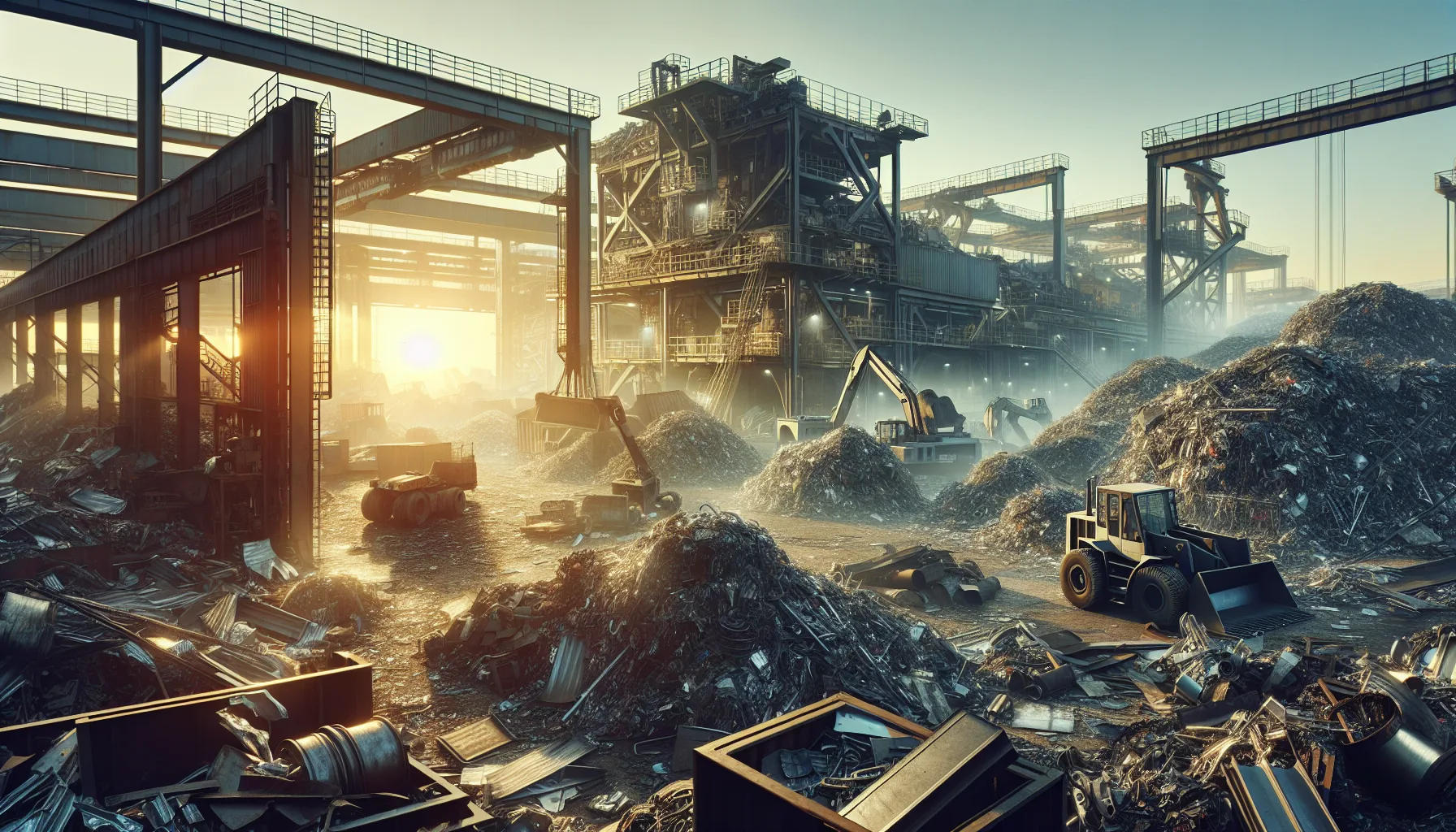
Auto recyclers across British Columbia handle thousands of vehicles annually, transforming what owners consider "junk" into valuable resources. The recycling process maximizes every component's worth, directly impacting the cash offers car owners receive. Let's follow Maria's Honda through the systematic journey that determines scrap car value today.
Initial Vehicle Assessment and Documentation
Within hours of pickup, Maria's Honda arrived at a certified auto recycling facility. The first step involves comprehensive documentation. Technicians record the vehicle identification number, mileage, condition, and any visible damage. This detailed assessment forms the foundation for determining actual value.
Professional recyclers photograph the vehicle from multiple angles, documenting both exterior and interior conditions. They check for aftermarket modifications, premium components, or rare parts that might increase value. Modern vehicles like Maria's 2014 Civic often contain valuable electronics, catalytic converters, and aluminum components that significantly boost scrap car value today.
The intake team also verifies ownership transfer documentation, ensuring legal compliance throughout the recycling process. This paperwork protects both the seller and the recycling facility, creating a clear chain of custody that regulatory agencies require.
Fluid Drainage and Environmental Safety
Environmental protection takes priority in modern auto recycling. Certified technicians drain all fluids from Maria's vehicle using specialized equipment designed to capture and contain hazardous materials. Motor oil, transmission fluid, brake fluid, coolant, and gasoline require proper handling under strict environmental regulations.
These recovered fluids don't go to waste. Many facilities filter and process oils for reuse in industrial applications. Coolant gets recycled after removing contaminants, while gasoline may be refined for alternative uses. This environmental consciousness reflects the industry's commitment to sustainable practices.
Battery removal happens during this phase. Car batteries contain valuable lead and sulfuric acid, making them among the most recycled products globally. The lead gets refined into new batteries, while plastic cases become raw material for manufacturing.
Proper fluid drainage protects groundwater and soil from contamination. When you sell scrap car Chilliwack residents through licensed facilities, you're contributing to environmental protection while receiving fair compensation.
Component Harvesting and Parts Recovery
After environmental safety measures, skilled technicians begin systematically removing valuable components. Maria's 2014 Honda Civic contained numerous parts in excellent condition that could serve other vehicle owners. The engine, transmission, and electronic systems undergo careful extraction and testing.
Catalytic converters receive special attention due to their precious metal content. Platinum, palladium, and rhodium make these components extremely valuable, significantly impacting overall vehicle worth. Modern vehicles typically contain multiple catalytic converters, each contributing to scrap car value today.
Technicians remove airbags, GPS systems, entertainment centers, and other electronic components that retain substantial resale value. These parts often find new homes in repair shops or get exported to international markets where demand remains strong.
Aluminum wheels, if in good condition, command premium prices in secondary markets. The aluminum content alone provides substantial scrap value, but undamaged wheels bring significantly higher returns as replacement parts.
Quality control specialists inspect each harvested component, grading condition and determining appropriate sales channels. This meticulous process ensures maximum value recovery from every vehicle processed.
Metal Separation and Inventory Management
Once valuable components are removed, the remaining shell undergoes metal separation. Industrial shredders break down the vehicle into manageable pieces, while magnetic separators extract ferrous metals from non-ferrous materials. Advanced facilities use eddy current separators to recover aluminum, copper, and other valuable non-magnetic metals.
Modern scrap metal inventory management systems track each material type, weight, and quality grade. This data helps recyclers optimize timing for metal sales based on market conditions. When aluminum prices peak, facilities might hold inventory longer to maximize returns. These strategic decisions directly influence the cash offers extended to car sellers.
Facilities increasingly use digital platforms to manage inventory efficiently. Systems like SMASH scrap metal auction platforms allow recyclers to connect directly with metal processors, eliminating middleman markups and improving profit margins. These technological advances benefit both recyclers and car sellers through improved pricing transparency.
Steel makes up approximately 65% of most vehicles by weight. After separation, steel gets processed into clean scrap grades suitable for steel mill consumption. High-quality automotive steel commands premium prices compared to general scrap grades.
Final Processing and Market Distribution
The final stage involves preparing recovered materials for various markets. Clean metal gets baled or prepared according to buyer specifications. Different steel mills prefer specific preparation methods, and meeting these requirements maximizes sale prices.
Recyclers maintain relationships with multiple buyers to ensure optimal pricing for different material types. Copper might go to wire manufacturers, while aluminum finds buyers in packaging or automotive industries. This diversified buyer network helps stabilize income despite commodity price fluctuations.
Technology platforms like SMASH revolutionize how recyclers connect with buyers. Digital auctions create competitive bidding environments that drive prices higher than traditional sales channels. When recyclers achieve better metal prices, they can offer more competitive rates when residents sell scrap car Chilliwack facilities.
Quality documentation accompanies every shipment, certifying material composition and cleanliness. This paperwork ensures buyers receive exactly what they expect, building trust relationships that lead to premium pricing over time.
For those considering vehicle disposal, understanding this process helps appreciate why professional recyclers can offer competitive rates. The systematic approach to value recovery means every component contributes to your final payout. Whether you need to read car selling tips or want immediate action, knowing your vehicle's destination should provide peace of mind.
Frequently Asked Questions
Q: How long does the recycling process take after my car gets picked up?
Most auto recyclers complete initial processing within 48-72 hours of vehicle arrival. Fluid drainage and documentation happen first, followed by component removal over several days. Complete metal processing may take 1-2 weeks depending on facility capacity and current inventory levels.
Q: What determines scrap car value today compared to previous years?
Current scrap car values depend on metal commodity prices, component demand, and processing costs. In 2026, increased demand for recycled metals and stricter environmental regulations have generally improved values compared to earlier periods. Vehicle age, condition, and component completeness significantly impact individual valuations.
Q: Can I sell my scrap car in Chilliwack if it's missing major components?
Yes, auto recyclers in Chilliwack accept vehicles missing engines, transmissions, or other major parts. However, missing components reduce overall value since recyclers lose potential parts sales revenue. Incomplete vehicles still contain valuable metals and remaining components that provide scrap value.
Q: How do recyclers ensure environmental compliance during processing?
Licensed auto recyclers follow strict environmental protocols mandated by British Columbia regulations. They use certified fluid recovery systems, maintain proper storage for hazardous materials, and document all disposal processes. Regular inspections ensure compliance with provincial environmental standards.
Q: What happens to parts that can't be recycled or resold?
Non-recyclable materials like certain plastics and composite materials get sent to specialized disposal facilities. However, modern recycling techniques recover over 85% of most vehicles by weight. Remaining waste gets handled according to environmental regulations, often through energy recovery processes.
Understanding what happens after pickup helps car owners appreciate the value recovery process that determines their payout. Professional facilities maximize every component's worth through systematic processing and strategic market timing. If you're ready to turn your unwanted vehicle into cash, you can get free scrap car pickup across Canada while contributing to sustainable recycling practices. Get cash for your car in Canada — get a free quote at cashfor-cars.ca and start your vehicle's recycling journey today.