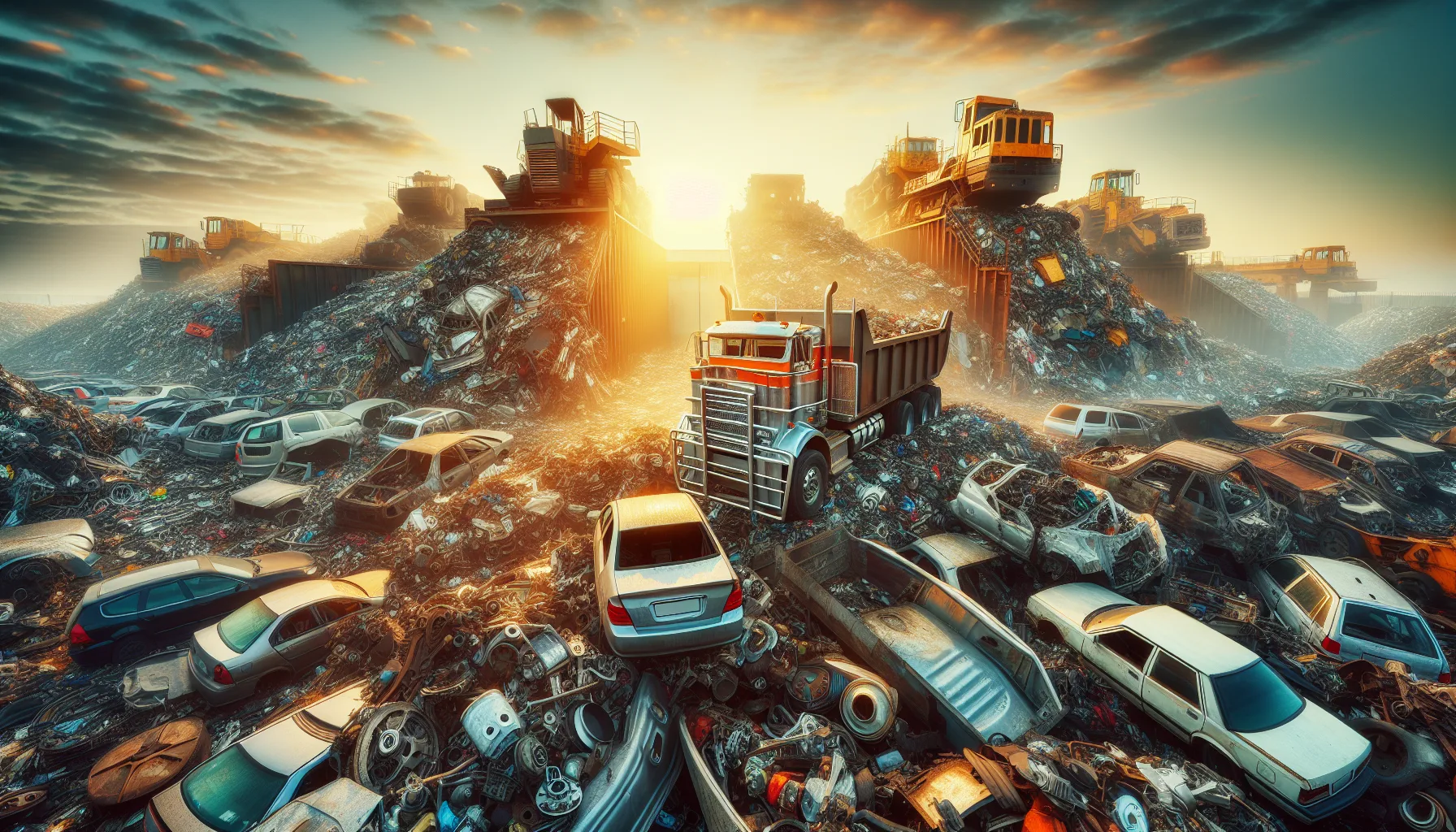
Fire and flood damage destroyed over 45,000 vehicles across Quebec in 2026 alone, leaving owners wondering if their severely damaged cars have any value left. The answer might surprise you — even fire-damaged and flood-damaged vehicles can still generate substantial cash returns through specialized buyers who understand the salvage value of damaged cars.
When disaster strikes your vehicle, whether through flooding in Quebec City's spring melt season or fire damage from accidents, traditional buyers often walk away. However, we buy junk cars Quebec City services specialize in extracting value from even the most severely damaged vehicles, turning your insurance headache into quick cash.
Understanding the Market Value of Damaged Vehicles
Flood-damaged and fire-damaged vehicles retain significant value through their recoverable parts, metals, and recyclable materials. Professional salvage buyers evaluate these vehicles differently than traditional car dealers, focusing on component value rather than roadworthiness.
The Quebec salvage market recognizes several value categories for damaged vehicles:
- Undamaged parts: Engines, transmissions, and electrical components that escaped damage
- Metal content: Steel, aluminum, and precious metals in catalytic converters
- Salvageable materials: Glass, plastics, and rubber components
- Core assemblies: Complete systems that can be refurbished for resale
Even vehicles that appear completely destroyed often contain valuable components worth hundreds or thousands of dollars. Professional scrap car removal Quebec City services have the expertise to identify and extract maximum value from damaged vehicles, ensuring you receive fair compensation for your loss.
Fire-Damaged Vehicles: What Buyers Look For
Fire damage creates unique challenges and opportunities in vehicle valuation. While flames may destroy upholstery, electronics, and body panels, many mechanical components often survive intact, making fire-damaged vehicles attractive to specialized buyers.
Key factors that determine fire-damaged vehicle value include:
Engine and transmission condition: These major components often survive fires, especially when flames don't reach the engine compartment. A functional engine alone can be worth several thousand dollars to rebuilders and mechanics seeking replacement parts.
Undamaged suspension components: Springs, shocks, and control arms typically withstand fire damage, making them valuable to parts dealers. These components command strong prices in Quebec's used parts market, where harsh winters create constant demand for replacement suspension parts.
Wheel and tire assemblies: Unless directly exposed to flames, wheels and tires often escape damage. High-quality alloy wheels can be worth hundreds of dollars each, while specialty tires retain resale value even on damaged vehicles.
Professional buyers evaluate fire-damaged vehicles systematically, identifying salvageable components that justify purchase prices. Services that find the best price for your scrap in Canada understand this complex valuation process, ensuring you receive competitive offers for fire-damaged vehicles.
Flood-Damaged Vehicles: Hidden Value Opportunities
Flood damage presents different challenges than fire damage, but experienced buyers recognize significant value opportunities in water-damaged vehicles. Quebec City's location along the St. Lawrence River makes flood damage a recurring concern for local vehicle owners, creating a specialized market for flood-damaged car buyers.
Water damage affects vehicles differently depending on flood depth and duration. Buyers evaluate several key factors:
Flood level assessment: Vehicles with water damage below the dashboard often retain valuable mechanical components. Engines, transmissions, and differential assemblies may require cleaning and refurbishment but remain fundamentally sound for parts harvesting.
Electrical system evaluation: While flood damage typically destroys electronic components, valuable metals within wiring harnesses, computers, and sensors retain scrap value. Copper wiring alone can generate substantial returns for salvage operations.
Interior component recovery: Even flood-damaged vehicles contain recoverable materials including seat frames, window mechanisms, and door hardware. These components face constant replacement demand from Quebec vehicle owners dealing with winter-related wear and collision damage.
Experienced cash for cars Quebec buyers maintain specialized equipment and expertise for evaluating flood-damaged vehicles, often identifying value that owners overlook in their initial assessments.
Documentation Requirements for Damaged Vehicle Sales
Selling severely damaged vehicles requires different documentation approaches than standard used car sales. Understanding these requirements helps streamline the sale process and ensures legal compliance throughout Quebec.
Essential documentation includes:
Insurance settlement papers: If your insurance company declared the vehicle a total loss, you'll need documentation showing the settlement process and any salvage rights transfers. This paperwork establishes clear ownership for the sale transaction.
Original title or registration: Quebec requires proper title documentation for vehicle transfers, even for salvage sales. However, some buyers specialize in situations where owners need to sell my junk car without title, providing alternative documentation pathways.
Damage assessment reports: Professional damage assessments from adjusters or mechanics help establish the vehicle's condition and support fair pricing negotiations. These reports provide valuable information for buyers evaluating parts recovery potential.
Many damaged vehicle buyers offer streamlined documentation assistance, helping sellers navigate Quebec's title requirements and ensuring smooth transaction completion. When you need cash for cars no title open now, experienced buyers provide solutions that work within provincial regulations.
Maximizing Returns from Damaged Vehicle Sales
Getting the best price for your fire-damaged or flood-damaged vehicle requires strategic approach and market knowledge. Professional buyers use sophisticated evaluation methods, but sellers can take steps to maximize their returns.
Key strategies for optimizing damaged vehicle sales:
Remove personal items thoroughly: Before sale evaluation, remove all personal belongings, aftermarket accessories, and valuable components you want to retain. This prevents confusion during assessment and ensures you keep items with personal or financial value.
Document pre-damage condition: Photos and maintenance records showing your vehicle's condition before damage help buyers understand the original quality and component value. Well-maintained vehicles often yield higher salvage returns even after severe damage.
Research market conditions: Scrap metal prices, parts demand, and seasonal factors influence damaged vehicle values. Spring cleanup periods in Quebec City often see increased demand for salvage vehicles, potentially improving sale prices.
Consider multiple offers: Different buyers specialize in various types of damage and parts recovery. Getting quotes from several get a free car valuation services helps ensure you receive competitive pricing for your damaged vehicle.
Professional platforms make this comparison process efficient. Services that sell scrap metal online often provide instant quotes based on vehicle details and damage descriptions, allowing quick price comparisons without multiple site visits.
The SMASH Advantage for Damaged Vehicle Sales
When dealing with fire-damaged or flood-damaged vehicles, working with experienced professionals makes all the difference in your final payout. SMASH specializes in connecting Quebec vehicle owners with qualified buyers who understand damaged vehicle valuation and parts recovery processes.
SMASH's network includes buyers specifically trained in damage assessment and salvage operations. These professionals evaluate your vehicle's condition systematically, identifying value opportunities that general scrap buyers might overlook. Whether your car suffered fire damage in a garage fire or flood damage during Quebec's spring runoff season, SMASH connects you with buyers who understand these specific challenges.
The platform streamlines the entire process from initial quote to final pickup, handling documentation requirements and coordinating logistics. This efficiency proves especially valuable when dealing with damaged vehicles that may have storage costs or safety concerns requiring prompt removal.
Quebec City residents benefit from SMASH's local expertise and established relationships with regional salvage operations. The platform's buyers understand local market conditions, seasonal demand patterns, and specific challenges facing Quebec vehicle owners dealing with weather-related damage.
For owners dealing with insurance settlements and damaged vehicle disposal, SMASH provides the expertise and market access needed to maximize returns from unfortunate situations. Rather than accepting low offers from general scrap dealers, SMASH connects you with specialists who recognize the true value in your damaged vehicle.
Even when facing total loss situations, your damaged vehicle retains significant value through its recoverable components and materials. Professional evaluation through experienced buyers ensures you receive fair compensation while dealing efficiently with the aftermath of vehicle damage. Whether you need immediate get cash for your car in Canada or want to explore your options, qualified buyers stand ready to help transform your damaged vehicle into cash returns.
Frequently Asked Questions
Q: Can I sell a flood-damaged car that won't start in Quebec City?
Yes, non-running flood-damaged vehicles still have significant value through their parts and scrap metal content. Professional buyers evaluate engines, transmissions, body panels, and electrical components for salvage potential. Many we buy junk cars Quebec City services specialize in flood-damaged vehicles and provide free towing for pickup.
Q: How much can I expect for a fire-damaged vehicle with engine damage?
Fire-damaged vehicle values depend on the extent of damage and recoverable components. Even with engine damage, vehicles contain valuable materials including catalytic converters, aluminum components, and steel. Professional buyers typically offer several hundred to thousands of dollars based on the vehicle's make, model, and salvageable parts.
Q: Do I need special documentation to sell a severely damaged car in Quebec?
You'll need proof of ownership such as vehicle registration or title, plus insurance documentation if the vehicle was declared a total loss. Some buyers can work with missing titles, but proper documentation ensures smoother transactions and better pricing for your damaged vehicle.
Q: How quickly can damaged vehicles be picked up in Quebec City?
Most professional scrap car removal Quebec City services offer same-day or next-day pickup for damaged vehicles. Quick removal helps avoid storage fees and safety hazards while getting cash in your hands promptly after damage assessment and price agreement.
Q: Is it worth repairing flood damage before selling my car?
Generally no - flood damage repairs are expensive and may not increase your vehicle's sale value enough to justify the costs. Professional damaged vehicle buyers factor repair costs into their offers, often providing better net returns than attempting repairs before sale.
When disaster damages your vehicle, don't assume it's worthless. Fire-damaged and flood-damaged cars retain substantial value through their parts, metals, and materials. Professional buyers understand this value and provide competitive offers that help offset your losses. Read car selling tips to learn more about maximizing your returns, then get cash for your car in Canada — get a free quote at cashfor-cars.ca.
Follow SMASH on LinkedIn for industry updates and scrap metal market insights that help you stay informed about damaged vehicle values and market trends.