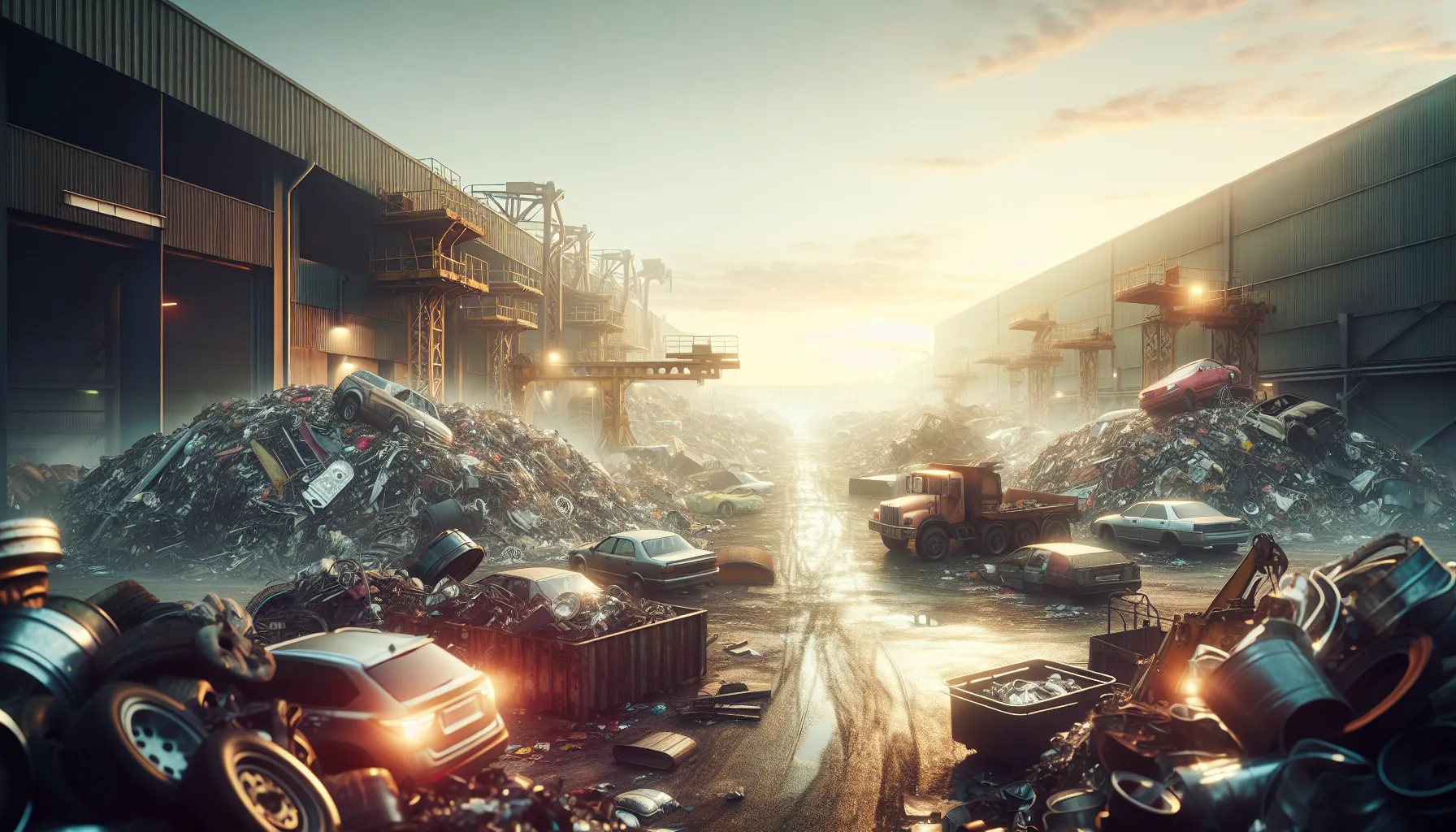
Understanding Your Options After a Car Accident in Halifax
When your car suffers significant damage in an accident, deciding what to do next can feel overwhelming. Many Halifax drivers discover that repair costs exceed their vehicle's value, leaving them wondering about their options. Getting cash for junk cars Halifax services often provides the most practical solution, turning a damaged vehicle into immediate funds.
Accident-damaged cars retain value through their metal content, reusable parts, and recyclable components. Even vehicles that insurance companies declare total losses can generate substantial cash through proper scrapping channels. Understanding this process helps you maximize your return while avoiding the hassles of traditional selling methods.
The key lies in finding reputable buyers who handle the entire process professionally. From paperwork to pickup, the right service transforms a stressful situation into a straightforward transaction that puts money in your pocket quickly.
Assessing Your Damaged Vehicle's Scrap Value
Before contacting potential buyers, evaluate your accident-damaged car's condition honestly. Document visible damage with photos, noting which parts remain intact. Working components like the engine, transmission, catalytic converter, and electronics significantly impact your vehicle's scrap value.
Vehicle weight plays a crucial role in scrap metal pricing. Larger cars and trucks contain more recyclable steel and aluminum, typically generating higher payouts. A damaged SUV often commands better prices than a compact car, even with similar damage levels. The current scrap metal market in Nova Scotia influences these values, with prices fluctuating based on global demand.
Consider your car's age and original value when setting expectations. Newer vehicles with valuable parts like advanced computer systems, quality tires, or premium audio equipment may exceed basic scrap metal rates. Luxury vehicles often contain more valuable metals and components, increasing their overall worth.
Getting multiple quotes helps establish realistic value expectations. Services that get a free car valuation provide baseline estimates before committing to any buyer. This comparison shopping ensures you receive fair compensation for your damaged vehicle.
Required Documentation for Scrapping Accident-Damaged Cars
Proper documentation protects both you and the scrap car buyer during the transaction. Start with your vehicle registration certificate, which proves ownership and prevents legal complications. This document remains essential even if your car sustained severe accident damage.
Insurance paperwork becomes particularly important for accident-damaged vehicles. If your insurance company settled the claim, ensure you understand your ownership rights. Some policies transfer ownership to the insurer after total loss declarations, while others allow you to retain salvage rights for a fee.
Gather maintenance records and any recent inspection certificates. These documents help buyers assess your vehicle's condition before the accident and may influence pricing decisions. Complete service histories often indicate better-maintained vehicles with more valuable components.
Remove personal belongings thoroughly before pickup day. Check glove compartments, door pockets, trunk spaces, and under seats. Many Halifax residents overlook valuable items during the stress of dealing with accident aftermath. Taking time for complete removal prevents losing important documents or sentimental items.
The Scrapping Process: From Quote to Cash
Professional junk car services streamline the scrapping process into manageable steps. Initial contact typically involves describing your vehicle's condition, age, make, and model. Honest descriptions help buyers provide accurate quotes and avoid pricing surprises during pickup.
Most reputable companies offer free vehicle pickup throughout Halifax and surrounding Nova Scotia communities. This service eliminates towing costs and transportation headaches, especially important when dealing with severely damaged vehicles. Scheduling flexibility accommodates your availability during an already stressful period.
Payment methods vary among buyers, with many offering immediate cash upon pickup. Others provide certified checks or electronic transfers within 24 hours. Clarify payment terms upfront to avoid misunderstandings. Legitimate businesses always provide clear payment timelines and methods before scheduling pickup.
The actual pickup process usually takes 30-60 minutes, depending on vehicle accessibility and paperwork complexity. Professional drivers handle loading and transport safely, protecting your property from additional damage. They complete final documentation and payment on-site, concluding the transaction efficiently.
Maximizing Cash Return from Your Accident-Damaged Car
Timing influences scrap metal prices significantly. Monitor market trends or consult with buyers about optimal selling periods. Scrap metal values fluctuate based on global demand, seasonal factors, and economic conditions. Patient sellers sometimes benefit from waiting for price improvements.
Remove valuable components before scrapping if you possess mechanical skills and proper tools. Items like batteries, catalytic converters, and premium wheels often command separate sale prices. However, factor in removal time and effort against convenience of selling the complete vehicle.
Compare offerings from multiple junk car buyers. Prices vary considerably between companies, and some specialize in accident-damaged vehicles. Services that get cash for your car in Canada often provide competitive rates and transparent pricing structures.
Consider platforms that connect sellers with multiple buyers simultaneously. Sell your scrap metal on SMASH Recycling creates competitive bidding environments that typically generate higher returns. SMASH's network of verified buyers ensures professional service while maximizing your payout through market competition.
Research buyer reputations through online reviews and Better Business Bureau ratings. Established companies with strong local presence offer more reliable service and fair pricing. When you sell my car for cash Halifax services, choosing reputable buyers protects against scams and ensures proper vehicle disposal.
Environmental Benefits of Proper Car Scrapping
Scrapping accident-damaged cars through legitimate channels supports environmental protection efforts. Professional recycling facilities safely handle hazardous materials like motor oil, transmission fluid, brake fluid, and refrigerants. These substances require special disposal methods to prevent soil and water contamination.
Steel recycling reduces mining demands and energy consumption compared to producing new metal. Your scrapped car's steel becomes raw material for manufacturing new vehicles, appliances, and construction materials. This circular economy approach minimizes waste while conserving natural resources.
Proper parts harvesting extends component lifecycles through resale markets. Working engines, transmissions, and electronic systems find new homes in other vehicles, reducing demand for new manufacturing. This reuse culture supports sustainable automotive practices while providing affordable replacement parts for other drivers.
Choosing certified scrap dealers ensures compliance with environmental regulations. Licensed facilities follow strict protocols for fluid drainage, parts removal, and material processing. When you sell scrap metal online through verified platforms like SMASH, you support responsible recycling practices that benefit local communities.
Halifax's commitment to environmental stewardship makes proper vehicle disposal increasingly important. Supporting cash for cars Nova Scotia services that prioritize environmental compliance helps maintain the region's natural beauty while generating personal financial returns.
Professional car scrapping transforms accident damage from a financial burden into an opportunity. The combination of immediate cash, environmental responsibility, and simplified logistics makes scrapping the practical choice for most damaged vehicles. For additional insights on maximizing your return, read car selling tips that cover various scenarios and market conditions.
Don't let accident damage create ongoing stress and expenses. Get cash for your car in Canada — get a free quote at cashfor-cars.ca and discover how quickly you can transform that damaged vehicle into cash in your pocket.
Frequently Asked Questions
Q: Can I scrap my car if the insurance company declared it a total loss?
Yes, you can typically scrap a car after a total loss declaration, but you may need to buy it back from your insurance company first. Contact your insurer to understand salvage rights and any fees involved. Once you own the vehicle again, cash for junk cars Halifax services can process it normally.
Q: How much cash can I expect for my accident-damaged car in Halifax?
Accident-damaged car values depend on the vehicle's size, remaining parts condition, and current scrap metal prices. Typical payouts range from a few hundred to several thousand dollars, with larger vehicles generally worth more. Getting multiple quotes from different buyers helps establish fair market value for your specific situation.
Q: Do I need to drain fluids before having my damaged car picked up?
No, professional junk car services handle all fluid removal as part of their pickup process. Licensed scrap dealers properly drain and dispose of motor oil, transmission fluid, brake fluid, and other hazardous materials according to environmental regulations. Attempting fluid removal yourself may create safety hazards.
Q: How quickly can I get cash for my accident-damaged car?
Most reputable buyers offer same-day or next-day pickup with immediate payment. The timeline depends on your location within Halifax, vehicle accessibility, and the buyer's schedule. Many services provide cash on pickup, while others process certified payments within 24 hours of vehicle collection.
Q: What happens to my damaged car after it's scrapped?
Professional scrapyards systematically dismantle vehicles to maximize recycling potential. Usable parts get cleaned and resold, while metals are sorted and sent to recycling facilities. Hazardous materials receive proper disposal treatment, and remaining materials are processed into raw materials for new manufacturing applications.
Follow SMASH on LinkedIn for the latest industry updates and scrap metal market insights that help you time your sales for maximum returns.