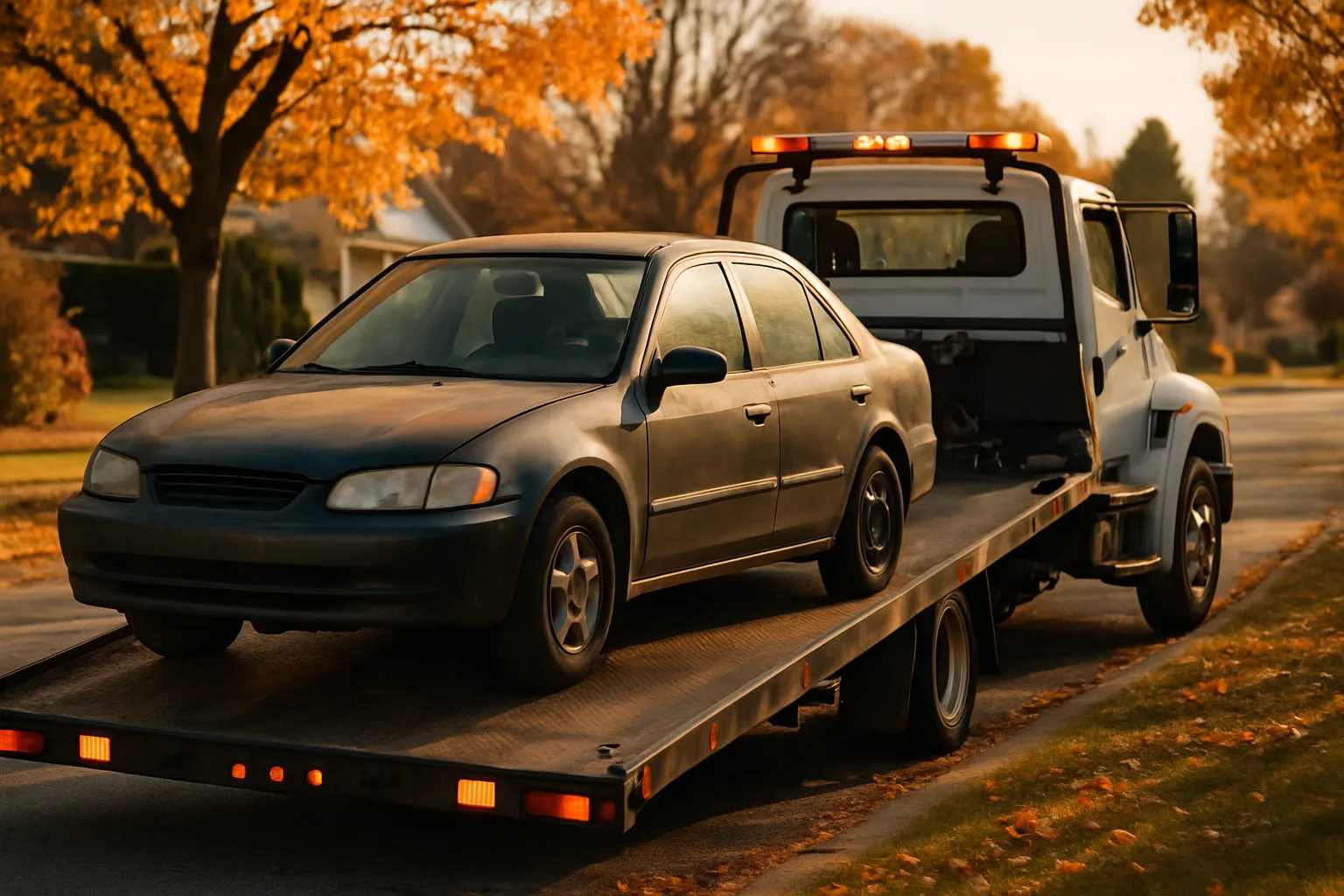
Your Car Gets Picked Up — Then What? Here's Exactly What Happens Next
Most people hand over their keys, take their cash, and never think about it again. That's fine. But if you've ever wondered what actually happens to your old Civic or half-dead F-150 after the tow truck pulls away, the answer is more interesting — and more valuable — than you'd expect. Auto recycling is a serious industrial process, not just a junkyard pile. And if you're searching for junk car buyers near me Coquitlam, understanding what happens downstream can actually help you get a better deal upfront.
Let's walk through the full lifecycle — from your driveway to the shredder — and show you why the end destination of your vehicle matters more than most sellers realize.
Step 1: Arrival and Initial Assessment at the Recycling Facility
The moment your vehicle arrives at an auto recycling yard, it gets catalogued. A yard tech does a walk-around and logs the year, make, model, VIN, and general condition. This isn't just bookkeeping — it determines how the yard will process the vehicle and what it's actually worth to them.
The VIN is critical here. It ties the vehicle to its full history: engine spec, trim level, original options. Yards that use modern tools — like the inventory and VIN lookup features built into platforms like SMASH Recycling — where verified buyers bid on your metal — can cross-reference parts demand and current scrap metal values almost instantly. That data shapes every decision that follows.
At this stage, the yard is already thinking about three revenue streams:
- Resaleable parts — components with aftermarket or OEM replacement value
- Fluids and hazardous materials — which must be removed before anything else happens
- Scrap metal — the bulk of the vehicle's end value once everything else is stripped
Step 2: Depollution — The Step Nobody Talks About
Before your car gets touched by a wrench or a crusher, it has to be depolluted. This is a legal requirement across British Columbia and the rest of Canada, and it's not optional. Skipping it creates serious environmental liability for the yard.
Depollution means draining and safely disposing of every fluid in the vehicle:
- Engine oil and transmission fluid
- Brake fluid and power steering fluid
- Coolant / antifreeze
- Gasoline or diesel from the fuel tank
- Air conditioning refrigerant (recovered with specialized equipment)
- Battery acid (from the 12V battery and, in EVs, high-voltage battery packs)
A single vehicle can contain anywhere from 15 to 25 litres of various fluids. Multiply that by hundreds of cars per month at a busy yard in the Lower Mainland, and you start to understand why certified depollution matters. Reputable yards operate under strict provincial guidelines. If a buyer is cutting corners on this step, that's a red flag about how they're running everything else, too.
Step 3: Parts Harvesting — Where the Real Value Lives
After depollution, the vehicle moves to the dismantling bay. Skilled techs pull every component with resale value. What gets pulled depends on the car's age, condition, and current parts demand — but common high-value components include:
- Catalytic converters — some of the most valuable parts on any vehicle due to platinum, palladium, and rhodium content
- Engines and transmissions — especially low-mileage units from popular models
- Alternators, starters, and AC compressors
- Doors, hoods, and body panels — if rust-free
- Seats, dashboards, and interior trim — for collision repair shops
- Rims and tires — if there's usable tread left
- Electronics: ECUs, infotainment units, sensors
This is where a well-run yard makes a significant portion of its margin. Parts are photographed, documented, and listed — either in their own inventory system or through a platform that connects them with buyers. The more complete and accurate that documentation, the more confident buyers are when purchasing. That's not an accident — it's how modern scrap and recycling operations work when they're doing it right.
If you're selling a vehicle in Coquitlam and it still has a working engine or a clean interior, make sure you mention it. Yards factor parts condition into their offer. A car that looks like scrap from the outside might have a transmission worth several hundred dollars to the right buyer.
Step 4: The Shell Goes to the Shredder — Understanding Scrap Metal Value
Once the parts are pulled and the fluids are gone, what remains is essentially a steel shell — sometimes with aluminum subframes, copper wiring, and other non-ferrous metals mixed in. This goes to the metal shredder, either on-site or at a regional processing facility.
Here's what the average passenger vehicle yields in scrap metal:
- Steel and iron: roughly 65–70% of the vehicle's total weight
- Aluminum: wheels, engine block components, body panels on newer vehicles
- Copper: wiring harnesses, electric motors in power accessories
- Rubber and plastic: mostly separated and processed separately or landfilled
The scrap value fluctuates with commodity markets. Steel prices, aluminum prices, and non-ferrous metal values all move independently based on global supply and demand. This is exactly why the old model — one yard, one phone call, one offer — leaves money on the table. When multiple buyers compete for the same material, the price discovery is real. That's the core logic behind a scrap metal auction platform approach: let the market set the price instead of guessing at it.
SMASH operates precisely this way. Vetted buyers bid competitively on loads of scrap and recycled materials. For yards that process end-of-life vehicles, that kind of competition on the back end means they can offer fairer prices on the front end — to sellers like you. When you get cash for your car in Canada, the downstream value chain matters more than most people realize.
What Happens When You Don't Have a Title or Registration
One of the most common questions from sellers — especially in areas like Coquitlam and across British Columbia — is whether you can still sell a scrap car without paperwork. Short answer: often yes, depending on the buyer and your province.
Here's the practical breakdown for cash for cars no title no registration situations:
- No registration: Most yards can work with this. Your vehicle registration may have lapsed years ago. As long as you can prove ownership some other way — insurance documents, a bill of sale, or ID matching the plate — many buyers will accept it.
- No title (in provinces that use them): British Columbia uses the Vehicle Registration as proof of ownership rather than a separate title document like some U.S. states. If you've lost your registration, you can typically get a replacement from ICBC before selling.
- Abandoned vehicles: If you acquired a vehicle from a family member who passed, or you have a car that's been sitting on your property for years with no paperwork, talk to the buyer directly. Requirements vary. Some yards can still process the vehicle with a statutory declaration.
Always ask about documentation requirements upfront. A legitimate buyer will walk you through exactly what they need — no surprises at pickup. If someone is vague or evasive about paperwork, that's worth noticing.
How to Make Sure You Get a Fair Price Before the Tow Truck Shows Up
Here's the part most sellers skip. They call one buyer, take the first offer, and move on. Sometimes that works out fine. Other times, they leave real money behind without ever knowing it.
Getting a fair price when you sell your scrap car in British Columbia comes down to a few straightforward steps:
- Know what you have. Year, make, model, mileage, running condition, and any parts that are intact. The more detail you give, the more accurate your quote.
- Get more than one offer. This is non-negotiable if you want price discovery. One offer is just one buyer's number. Two or three tells you where the market actually is.
- Document your vehicle before pickup. Take photos. Note working components. A car with a functioning AC compressor or low-mileage engine should reflect that in the offer.
- Understand timing. Metal prices shift. If the market is moving, waiting a week might change your offer. Or not — but it's worth knowing current conditions before you commit.
Platforms like SMASH bring that competitive dynamic to the scrap and recycling industry at scale. For buyers and yards across North America, it's how serious operators move volume without guessing. For sellers, working with buyers plugged into that kind of network means your vehicle's value gets properly tested against actual market demand. You can also get a free car valuation before you commit to anything — no pressure, just numbers.
If you're ready to move forward, read car selling tips to make sure you're set up for a smooth transaction before the tow truck arrives.
Whether you're in Coquitlam, somewhere else in the Lower Mainland, or anywhere across Canada — the process works the same way. Hand over a well-documented vehicle to a legitimate buyer connected to real market demand, and you'll walk away with a fair deal and zero headaches. Get cash for your car in Canada — get a free quote at cashfor-cars.ca.
Frequently Asked Questions
Q: How do I find junk car buyers near me in Coquitlam?
Search for licensed auto recyclers serving the Coquitlam and Greater Vancouver area. Look for buyers who offer free towing, upfront quotes, and clear documentation requirements. Platforms like cashfor-cars.ca connect you with buyers operating in British Columbia who handle the full process from pickup to payment.
Q: How much cash can I get for a junk car in Coquitlam?
It depends on the vehicle's weight, condition, and which components are still intact. Prices fluctuate with scrap metal commodity markets, so what a car fetched six months ago may differ from today's offer. Get multiple quotes and check current rates — don't rely on a number someone gave you a year ago.
Q: Can I sell my scrap car in British Columbia without a title or registration?
British Columbia uses ICBC vehicle registration as proof of ownership rather than a separate title document. If you've lost your registration, you can often obtain a replacement before selling. Some buyers can also work with alternative proof of ownership — ask upfront what documentation they require.
Q: Do junk car buyers near me offer same-day pickup in Coquitlam?
Many do, depending on scheduling and your location. Coquitlam is well-served by buyers operating across the Lower Mainland, and same-day or next-day pickup is often available for straightforward transactions. Have your paperwork ready to speed up the process.
Q: What parts of my car are worth the most money before it gets scrapped?
Catalytic converters, engines, transmissions, and aluminum wheels typically hold the highest value. If your vehicle has a working engine, a clean interior, or low-mileage drivetrain components, mention them when you request a quote — they can meaningfully increase your offer compared to straight scrap weight alone.
Stay current on scrap metal market conditions and recycling industry news — follow SMASH on LinkedIn for regular updates and insights from inside the industry.