Most car owners use these three terms interchangeably. That's a mistake — and it can cost you money. If you're trying to get cash for junk cars in Trois-Rivières, knowing the difference between a junkyard, a salvage yard, and a certified auto recycler changes how much you walk away with and how smoothly the process goes.
These aren't just different words for the same thing. They represent different business models, different processes, and different levels of buyer sophistication. Some will lowball you. Some will give you a fair price. And one model — the auto recycler working through competitive platforms — is where the real price discovery happens.
Let's break it down plainly.
---What Is a Junkyard? The Old-School Model
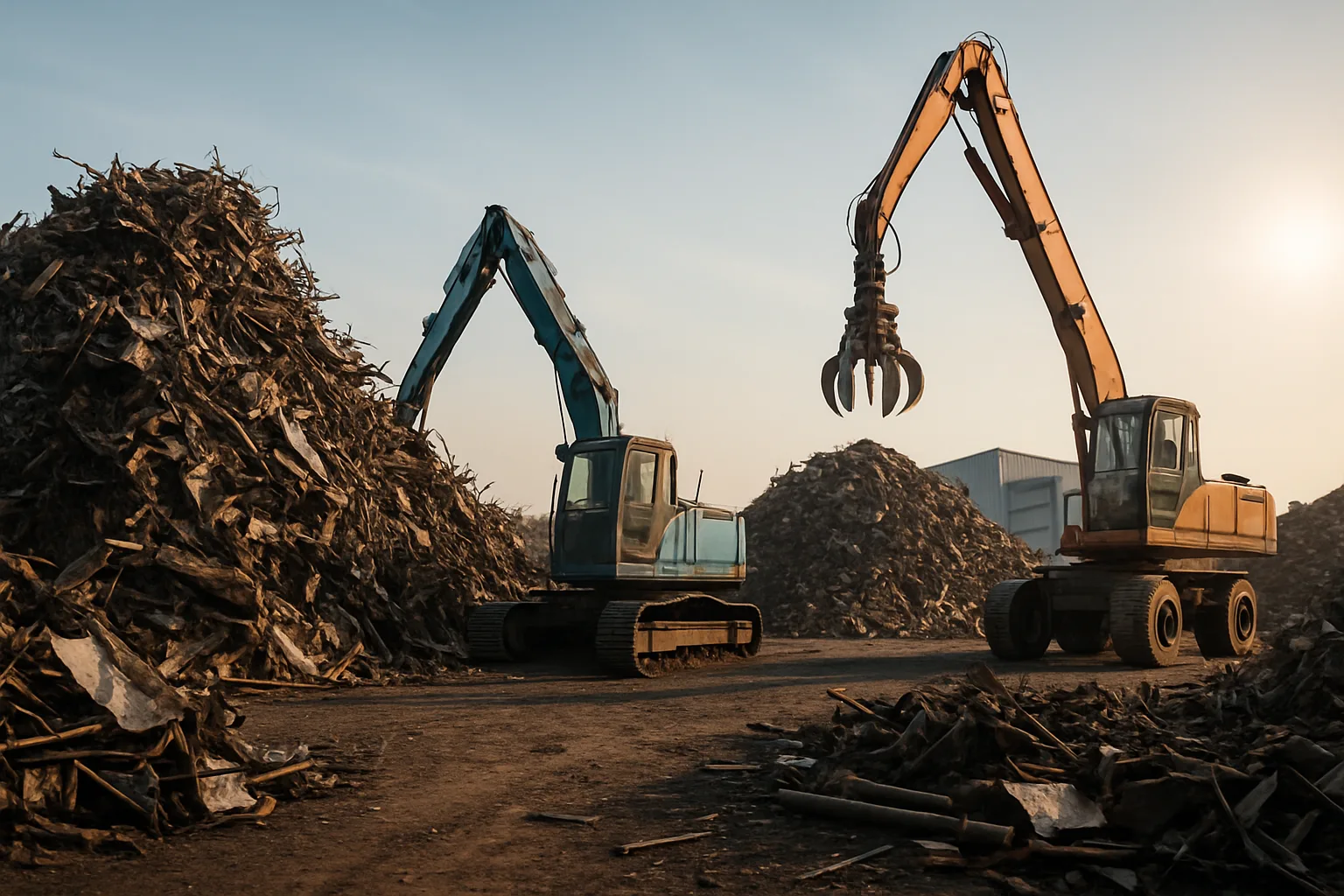
A junkyard is exactly what it sounds like. It's a lot where end-of-life vehicles are stored, often outdoors, often in various states of decay. The primary business model is simple: buy cars cheap, strip usable parts, and sell what's left for scrap weight.
Junkyards typically operate on low margins and high volume. They're not necessarily bad — they serve a real function. But their pricing model works against the seller. They need to buy low enough to make money on parts they may or may not sell, plus scrap metal they'll process later. That uncertainty gets priced into your offer. You absorb the risk.
If you walk into a junkyard in Trois-Rivières or anywhere in Quebec with a 2008 sedan, you'll likely get a number based on scrap weight and a rough guess at part value. There's no transparent calculation. No competition. No way to know if the number is fair.
The key problem with junkyards isn't that they're dishonest — most aren't. It's that there's no mechanism for competition. You get one number. Take it or leave it.
---What Is a Salvage Yard? A Step Up — But Still One Buyer
A salvage yard is more organized than a junkyard. These operations typically dismantle vehicles more systematically, catalog usable parts, and often sell those parts to repair shops, body shops, or individual buyers. They're sometimes called auto dismantlers or used auto parts dealers.
The core business model at a salvage yard is parts first, scrap second. A vehicle with a good transmission, intact body panels, or a low-mileage engine is worth more to a salvage yard than pure scrap weight. That's good news for sellers — in theory.
In practice, though, you still face the single-buyer problem. One operator, one quote, one moment in time. Even if the salvage yard is well-run and honest, you have no way to know if another buyer down the road would have paid more. That information gap is the seller's disadvantage.
Salvage yards vary significantly in quality across Canada. In Quebec, some operate under provincial environmental standards for fluid capture and part handling. Others are less rigorous. If you're selling in Trois-Rivières or anywhere nearby, it's worth asking about their process before you commit to a price.
---What Is a Certified Auto Recycler — and Why It Matters for Your Wallet
An auto recycler takes the concept further. Certified auto recyclers operate under industry standards — in Canada, that often means alignment with programs like Automotive Recyclers of Canada (ARC) or provincial environmental compliance requirements. They document fluid removal, proper disposal of hazardous materials, part cataloging, and scrap processing.
This matters for two reasons. First, you're not inadvertently becoming liable for an improperly disposed vehicle. Second — and more important to most sellers — certified recyclers tend to participate in broader buyer networks. They use data, market pricing, and increasingly, digital auction platforms to move inventory.
That's where platforms like SMASH come in. SMASH connects sellers with a vetted network of buyers across North America. Instead of calling one yard and hoping the number is fair, your vehicle — or load of scrap — gets seen by multiple qualified buyers. Competition reveals the market. That's not a slogan; it's just how pricing works when more than one buyer is involved.
If you want to get cash for your car in Canada and you're done guessing whether the offer you got is fair, the certified auto recycler path connected to a competitive platform is where you want to be.
---Sell My Car for Cash in Trois-Rivières — Which Type of Buyer Should You Call?
Here's the practical answer for car owners in Trois-Rivières looking to sell their car for cash: it depends on your vehicle's condition and what you're optimizing for.
If your car runs, has relatively low mileage, or has desirable parts in good condition, a salvage yard or auto recycler will likely offer more than a straight scrap price. The parts value can be significant. A working catalytic converter alone — stripped from the right vehicle — can add meaningful dollars to your offer. Don't leave that on the table by defaulting to pure scrap weight pricing.
If your car is truly end-of-life — high mileage, accident damage, missing key components — scrap metal value is what drives the number. In that case, you want a buyer who gives you a competitive scrap price, not one who hedges because they're unsure what the metal market will do next week.
Either way, the move is to get more than one offer. That's not complicated advice. It's just not the way most people sell scrap cars in Quebec. Most people call one number they found on a sign, take whatever is offered, and wonder afterward. Platforms like SMASH exist specifically to remove that guesswork. You can find the best price for your scrap in Canada without cold-calling five different yards yourself.
- Vehicle has running parts or usable components: Target salvage yards and auto recyclers. Ask for itemized pricing where possible.
- Vehicle is pure scrap weight: Focus on current scrap metal rates and get competitive offers — not a single quote.
- You want speed and simplicity: Use a platform that handles documentation, buyer matching, and pricing in one place.
- You're unsure of your vehicle's value: Get a free car valuation before you commit to any offer.
Cash for Cars in Quebec — What the Regulations Actually Require
This isn't just an academic question. In Quebec, there are real environmental and administrative requirements tied to end-of-life vehicle disposal. Quebec's provincial regulations require that depollution — the removal of fluids, batteries, and hazardous materials — happens before a vehicle is crushed or processed for scrap.
That means not every buyer you find online or through a roadside sign is operating legally. Some "cash for cars" operations skip steps to reduce costs. As the seller, you may not be legally liable if you sell in good faith to a licensed operator. But it's still worth confirming the buyer is compliant. Ask for documentation. A legitimate auto recycler in Trois-Rivières or elsewhere in Quebec won't hesitate to confirm their operating credentials.
There's also the title and ownership transfer piece. When you sell a vehicle in Quebec — scrap or otherwise — proper transfer paperwork protects you from liability if the vehicle is later involved in an incident or if unpaid fees accumulate on a plate you no longer own. Don't skip this step, regardless of who you sell to.
For more guidance on navigating the paperwork and process, read car selling tips on the blog — there's practical detail there that goes beyond what a quick Google search turns up.
---Why Competitive Pricing Beats a Single Phone Call Every Time
The through-line across junkyards, salvage yards, and auto recyclers is this: the seller's biggest disadvantage is information asymmetry. The buyer knows the current scrap market. The buyer knows what your parts are worth. The buyer knows what they paid for the last three cars just like yours. You don't.
The only reliable counter to that is competition. Multiple buyers, transparent pricing, documented inventory. When buyers know they're competing, offers reflect actual market value — not what they can get away with.
That's the model SMASH is built on. No subscription fees. No guesswork. If you're a yard operator reading this, or a car owner trying to figure out where to sell, the math is the same: more buyers, better price discovery. It's that straightforward.
Whether you're selling a single scrap car or selling scrap metal online at scale, the mechanism is identical. Transparency wins. Competition wins. And sellers who understand the difference between a junkyard, a salvage yard, and a certified auto recycler — and choose accordingly — consistently come out ahead.
If you're in Trois-Rivières or anywhere else in Canada and you're ready to stop guessing, it's time to get a real number. Get cash for your car in Canada — get a free quote at cashfor-cars.ca and find out what your vehicle is actually worth in today's market.
Prices for scrap vehicles and metal fluctuate based on commodity markets, vehicle condition, and regional demand. Always verify current rates before accepting any offer.
---Frequently Asked Questions
Q: What's the fastest way to get cash for junk cars in Trois-Rivières?
The fastest approach is to use a platform or service that handles buyer matching and documentation for you. Calling individual yards one at a time is slow and gives you no price comparison. Services connected to vetted buyer networks — like SMASH — streamline the process significantly and can move faster than the traditional one-call method.
Q: Is there a difference between what a junkyard and an auto recycler will pay for my car in Quebec?
Often, yes. A certified auto recycler typically has a more systematic approach to part valuation and may offer more for vehicles with usable components. Junkyards often price primarily on scrap weight. The gap can be meaningful depending on your vehicle's condition and what parts are still intact.
Q: Do I need to remove my plates before selling my junk car in Trois-Rivières?
Yes. In Quebec, you should remove your license plates before transferring the vehicle and return them to the SAAQ or cancel your registration. This protects you from future liability on a vehicle you no longer own. A legitimate buyer will not discourage you from completing this step.
Q: Can I sell my junk car for cash online in Canada?
Yes. Platforms like SMASH allow sellers to list vehicles and scrap loads online, connecting them with vetted buyers across North America. This removes the geographic limitation of calling only local yards and introduces competitive pricing that a single phone call can't replicate.
Q: How do I know if the cash for cars offer I received is fair?
The honest answer is: you don't, unless you have something to compare it to. Getting a second or third offer is the most reliable way to validate pricing. You can also get a free car valuation to establish a baseline before you engage any buyer.
---Stay current on scrap metal market trends and industry news — follow SMASH on LinkedIn for regular updates on pricing, regulations, and what's moving the North American scrap market.