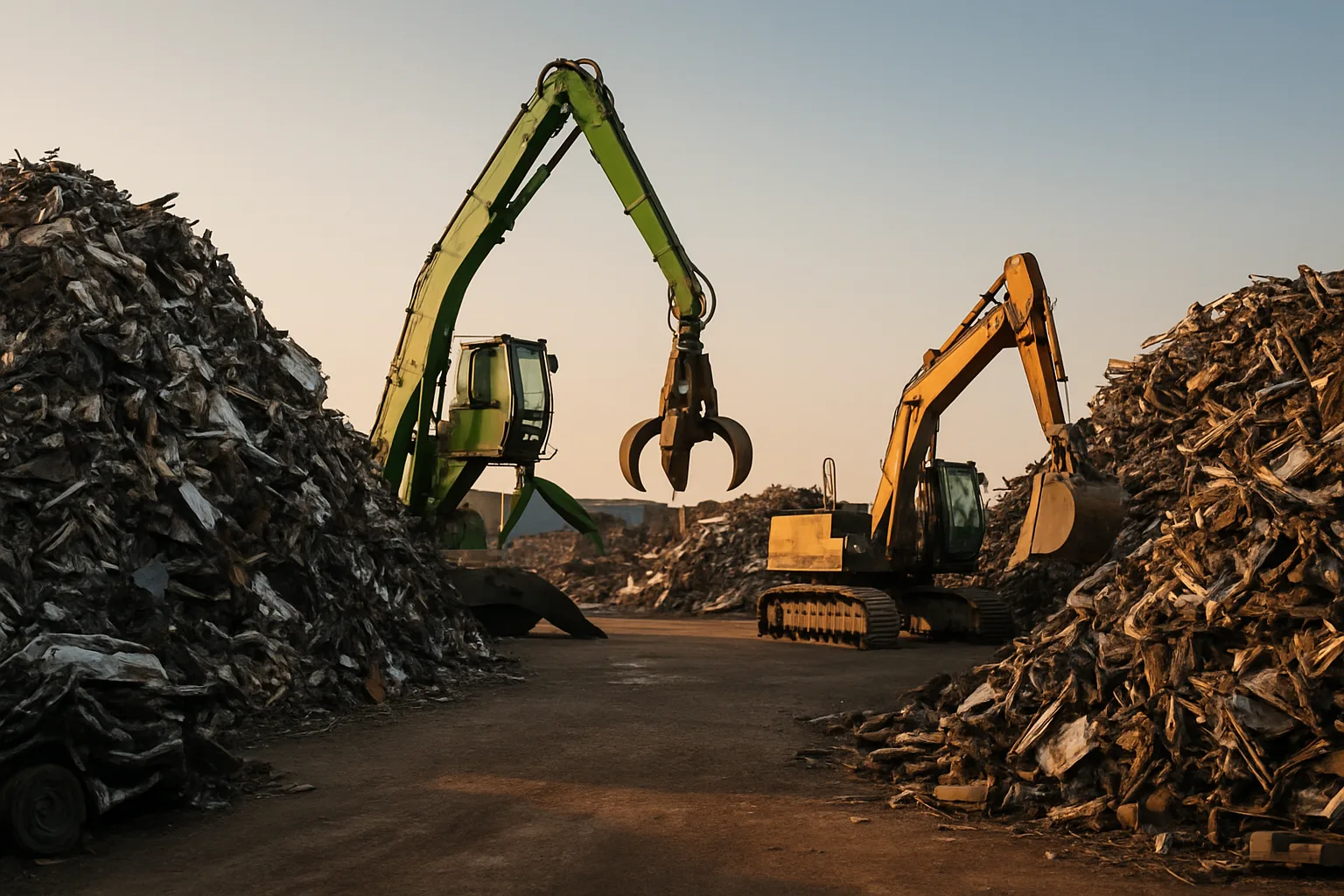
What Really Happens to Your Car After You Sell It for Scrap in London
Most car owners think selling a scrap vehicle ends at the tow truck pulling away. It doesn't. The average end-of-life vehicle contains over 75% recyclable materials by weight — and how those materials get processed matters more than most people realize. If you're searching for cash for cars London, understanding the recycling process behind your sale isn't just interesting. It helps you choose the right buyer.
Ontario has some of the tightest environmental handling requirements for end-of-life vehicles in North America. Fluids, batteries, tires, and catalytic converters all follow regulated disposal pathways. When you work with a responsible buyer, that's already built into the process.
The Eco-Friendly Car Disposal Process: Step by Step
A properly recycled vehicle doesn't just get crushed and forgotten. It moves through a structured depollution and dismantling process before a single piece of metal hits the shredder. Here's what responsible scrap car recycling actually looks like in 2026:
- Fluid Removal (Depollution): Engine oil, transmission fluid, brake fluid, coolant, power steering fluid, and air conditioning refrigerants are all drained and collected separately. These fluids can contaminate soil and groundwater if improperly disposed of. Licensed facilities in Ontario are required to capture and recycle or dispose of each fluid type according to provincial environmental standards.
- Battery Removal: The 12V lead-acid battery — and in EVs, the high-voltage battery pack — gets pulled and sent to specialized recyclers. Lead-acid batteries are one of the most successfully recycled products on the market, with recovery rates consistently above 95%.
- Tire and Wheel Separation: Tires head to tire recyclers, where they're processed into rubber mulch, playground surfaces, or fuel. Rims go to non-ferrous metal recovery based on whether they're steel or aluminum alloy.
- Catalytic Converter Extraction: Cats contain platinum group metals — platinum, palladium, and rhodium. These are extracted and refined for reuse. A single catalytic converter can hold metals worth a meaningful amount depending on current PGM spot prices. This is why cat theft is still a real issue on Ontario streets.
- Parts Salvage: Usable components — engines, transmissions, alternators, doors, glass — get pulled and resold through the used parts market. This keeps functional parts in circulation and out of the scrap pile.
- Shredding and Metal Separation: What remains gets shredded. Powerful magnets separate ferrous metals (steel and iron) from the mix. Eddy current separators pull out aluminum and copper. The sorted metals go directly to foundries and mills as raw material for new manufacturing.
This isn't a landfill operation. When you sell your scrap car to a vetted buyer, the vehicle becomes raw material. Steel from scrapped vehicles feeds back into the supply chain that makes new cars, appliances, and construction materials. Get cash for your car in Canada while keeping that recycling chain moving responsibly.
Why the London and Ontario Market Is Seeing Stronger Scrap Car Values in 2026
The scrap metal recycling Canada market has been shaped by global steel demand, tightening EV battery supply chains, and ongoing North American trade dynamics. In 2026, all three factors are pushing processor demand for clean, well-documented scrap loads — including end-of-life vehicles — higher than it was even two years ago.
In London and across Ontario, yards are actively competing for volume. That competition is what drives price discovery. A single phone call to one buyer gets you one number. Bringing your vehicle — or your inventory of vehicles — to a competitive platform changes the math entirely. Platforms like SMASH exist specifically to solve this problem for recyclers, dealers, and fleet operators. More buyers bidding on your material means the market tells you what it's actually worth, not just what one buyer wants to pay that morning.
Key factors that affect what your scrap car is worth right now:
- Curb weight: Heavier vehicles — trucks, SUVs, full-size vans — return more on scrap metal weight alone.
- Catalytic converter condition and quantity: Vehicles with intact OEM cats command a premium. Stripped cats are a red flag to buyers and reduce your payout.
- Non-ferrous components: Aluminum wheels, copper wiring, and radiators all add per-unit value beyond the base steel weight.
- Age and model: Certain makes have higher demand in the used parts market, which some buyers factor into their offers.
- Documentation: A clean title, matching VIN, and photo documentation of the vehicle's condition build buyer confidence — and that confidence shows up in offers.
Disclaimer: Scrap metal prices fluctuate with commodity markets. Always check current rates before accepting any offer. The figures above reflect general market dynamics, not guaranteed pricing.
We Buy Junk Cars in London — But Not All Buyers Are Equal
When you search we buy junk cars London, you'll find a range of buyers — from licensed scrap yards to informal operators working out of a pickup truck. The difference matters, both for your payout and for environmental accountability. An unlicensed buyer who drains fluids into a field isn't just breaking the law. They're passing environmental liability down the chain, and in some cases, creating exposure for the original seller.
Choosing a buyer who follows Ontario's environmental handling requirements protects you. It also ensures the vehicle gets processed correctly — meaning the recyclable value is actually captured rather than lost. Licensed London scrap metal services operate within the regulated framework and provide proper documentation when your vehicle changes hands.
What to look for in a legitimate junk car buyer:
- They ask for the VIN and can confirm ownership details
- They provide a written offer before pickup
- They handle the towing — you don't pay out of pocket
- They issue a receipt or bill of sale confirming the transaction
- They're transparent about how the vehicle will be processed
If a buyer can't tell you where the car is going after pickup, that's a problem. Get a free car valuation from a vetted service that operates above board and moves quickly.
Electric Vehicles and the New Frontier of Eco-Friendly Car Recycling
EV adoption in Ontario has accelerated through the mid-2020s, and that's creating a new recycling challenge the industry is actively working to solve. Lithium-ion battery packs from end-of-life EVs can't go through a standard shredder. They require specialized handling, discharge protocols, and chemical separation processes to recover lithium, cobalt, nickel, and manganese safely.
Several large-scale battery recycling operations have come online across North America in the last two years. Ontario, with its established auto manufacturing and parts recycling infrastructure, is positioned as a significant hub for this emerging stream. For EV owners looking to scrap a damaged or non-running vehicle, working with a buyer who understands battery handling is essential — not optional.
If you're sitting on a hybrid or EV that's been in a collision or has a failed battery pack, the recycling pathway is more complex but the recoverable value can still be meaningful. Don't assume a totaled EV is worthless. Get it assessed by someone who actually understands what's inside it. Platforms like SMASH connect sellers with buyers who specialize in exactly these kinds of complex loads — and competitive bidding ensures you're not leaving value on the table. You can also read car selling tips to understand your options before you call anyone.
How to Get the Most Cash for Your Scrap Car in London Right Now
The sellers who walk away with the strongest offers aren't necessarily the ones with the cleanest cars. They're the ones who come prepared. Here's what gives you leverage when you're ready to sell:
- Don't strip the car yourself. Removing your own catalytic converter, battery, or wheels before selling often reduces the total offer more than the parts are worth on their own — especially if you're selling to an individual rather than a licensed buyer who has the downstream relationships to recover full value.
- Document what you have. Photos, VIN, vehicle history, and any repair records help buyers price the car accurately — and confidently. Documented vehicles attract stronger bids.
- Know roughly what your car weighs. A full-size F-150 weighs around 2,000 kg. A compact sedan runs closer to 1,200 kg. Weight matters when scrap steel is priced per tonne.
- Get more than one offer. This is the single most impactful thing you can do. One phone call to one yard is not price discovery. It's a guess in someone else's favor.
- Ask about free pickup. Most reputable junk car buyers in London include towing. If someone is quoting you a price and then adding a towing fee, factor that into the comparison.
If you have a fleet, multiple units, or a volume of non-running vehicles, the competitive auction format that get competitive bids for your scrap in Canada offers can surface offers that a single-buyer phone call never would.
Frequently Asked Questions
Q: How much can I get for a scrap car in London, Ontario in 2026?
Payout depends on the vehicle's weight, condition, and current scrap metal prices. Heavier vehicles with intact catalytic converters and non-ferrous components typically return more. Prices fluctuate with commodity markets, so always get a current quote rather than relying on figures from several months ago.
Q: Do I need a title to sell my scrap car in London?
In Ontario, selling a vehicle without a title can complicate the transaction, but it isn't always a dealbreaker. Licensed buyers can often work through ownership verification using the VIN and provincial registry records. Be upfront about your documentation situation when you contact a buyer — it's better to disclose early than to have the deal fall apart at pickup.
Q: Is free junk car removal available in London?
Yes. Most reputable scrap car buyers in London include free towing as part of the offer. If a buyer quotes you a payout and then adds a towing or admin fee on top, that's a red flag. Get the full net number in writing before you agree to anything.
Q: How long does the car pickup process take?
Most buyers can schedule pickup within 24 to 48 hours of accepting an offer. Same-day pickup is sometimes available depending on the buyer and your location in the London area. Have your ID and any available documentation ready to speed up the handoff.
Q: What happens to my car after it gets picked up?
A properly licensed buyer will send the vehicle through a regulated depollution process — draining all fluids, removing the battery, extracting the catalytic converter, and salvaging reusable parts. The remaining metal shell goes through a shredder and sorted metals feed back into North American manufacturing supply chains. Ask your buyer how they handle end-of-life vehicles if this matters to you.
If you've got a vehicle sitting in the driveway that you're done with, the smartest move is to understand what it's actually worth before you accept the first offer that shows up. The recycling process is real, the recoverable value is real, and competition between buyers is what surfaces it. Get cash for your car in Canada — get a free quote at cashfor-cars.ca and see what your vehicle is worth today.
Stay current on scrap metal market movements and industry news — follow SMASH on LinkedIn for regular updates on pricing trends, recycling industry shifts, and what's moving in the North American scrap market.