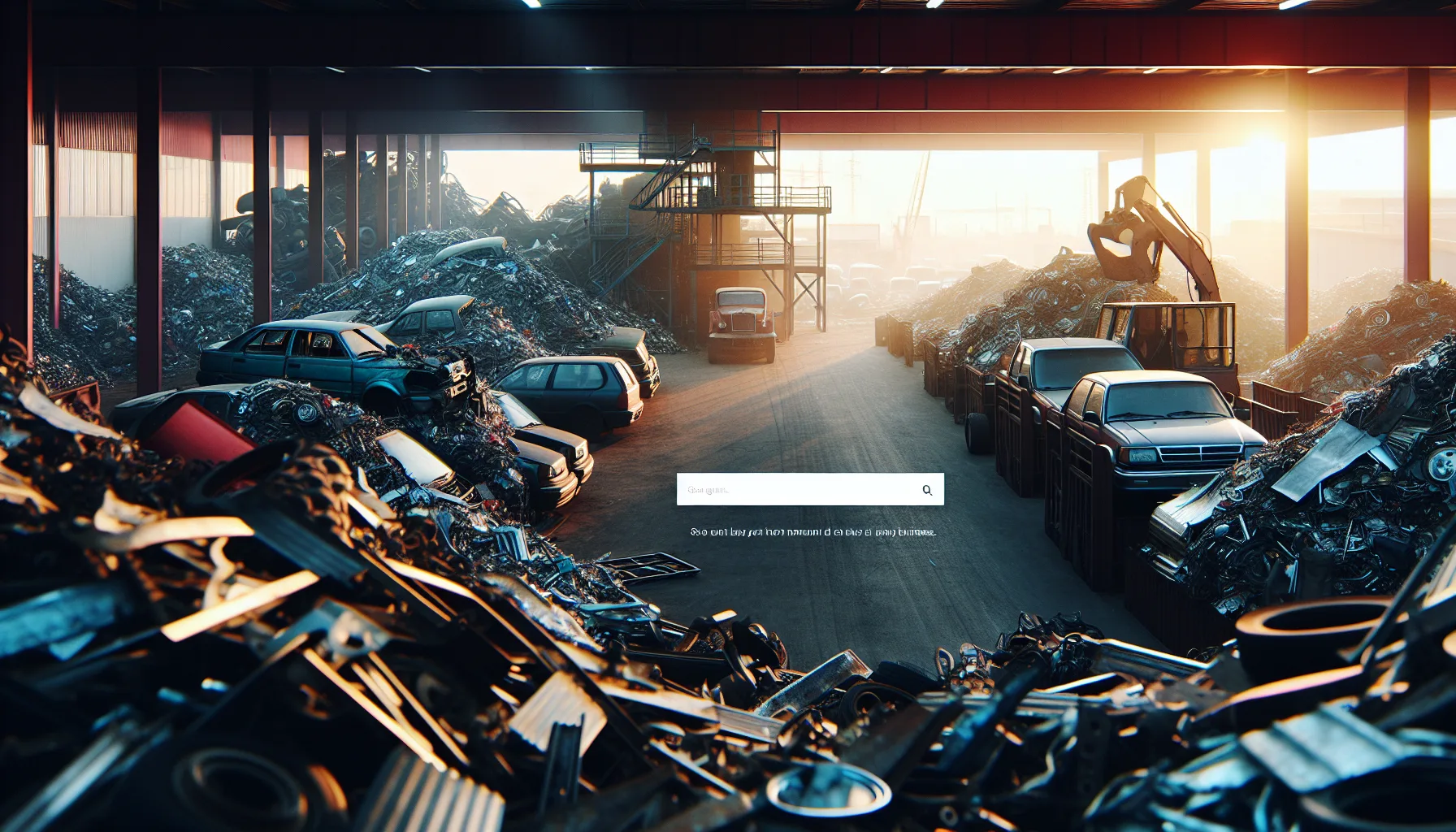
Understanding Why Scrap Car Prices Differ Across Vehicles
When you search for services that we buy junk cars Ottawa, you'll quickly notice price quotes vary dramatically between different vehicles. A 2018 Honda Civic might fetch $3,500, while a 2015 luxury sedan could bring in $5,200 or more. Understanding these price variations helps Ottawa car owners make informed decisions when selling their unwanted vehicles for cash.
The scrap car market operates on multiple value factors that extend far beyond simple weight calculations. Make, model, year, condition, and current market demand all play crucial roles in determining what buyers will pay for your vehicle. This complexity means getting an accurate valuation requires expertise that platforms like SMASH provide to connect sellers with qualified buyers across Ontario.
Let's explore the key factors that influence scrap car pricing in 2026 and why your particular vehicle might be worth more—or less—than you expect.
Make and Model Impact on Scrap Value
Vehicle manufacturers don't create equal scrap value. Popular makes like Toyota, Honda, and Ford typically command higher prices because their parts remain in high demand. These vehicles share components across multiple model years, making their salvageable parts more valuable to repair shops and individual buyers.
Luxury brands present a different dynamic entirely. A BMW or Mercedes-Benz might contain expensive electronic components, premium metals, and specialized parts worth significant money. However, the market for these parts is smaller, which can sometimes offset their individual value.
Ottawa's automotive landscape reflects Canada's broader preferences. Trucks and SUVs dominate our roads, creating strong demand for their components. A 2020 Ford F-150 will typically outperform a compact car of similar age because:
- Larger engines contain more valuable metals
- Truck parts have consistent resale demand
- Higher original vehicle value translates to better scrap returns
- More substantial catalytic converters increase base value
When you get cash for your car in Canada, understanding your vehicle's make and model advantages helps set realistic expectations for the final offer.
How Vehicle Condition Affects Cash Offers
Condition dramatically influences whether a vehicle gets parted out, refurbished, or sent straight to the metal recycler. Cars with functional engines, transmissions, and body panels intact typically receive higher offers because buyers can extract more value through part sales.
A running vehicle always commands premium pricing. Even if you consider it "junk," a car that starts and drives holds significantly more value than one requiring towing. Working systems like air conditioning, electronics, and safety features add incremental value to the final offer.
Body condition matters more than many sellers realize. Rust damage, collision history, and structural integrity all factor into pricing calculations. A vehicle with minimal rust in Ottawa's harsh winter climate might surprise owners with its retained value, especially if the frame remains solid.
Interior condition influences pricing too. Leather seats, premium sound systems, and intact dashboard components can be resold individually. When services provide scrap car removal Ottawa, they're evaluating every component for potential value recovery.
Market Demand and Seasonal Fluctuations
Scrap car prices fluctuate based on multiple market forces that affect Ontario's automotive recycling industry. Metal commodity prices directly impact base scrap values, with steel, aluminum, and copper prices changing weekly based on global supply and demand.
Seasonal patterns emerge in Ottawa's scrap car market. Spring typically brings higher activity as car owners emerge from winter to assess vehicle damage. Summer sees steady demand as people upgrade vehicles before winter. Fall creates urgency as drivers prepare for harsh weather conditions.
Current automotive trends also influence pricing. Electric vehicle adoption affects traditional car part demand. Supply chain disruptions increase values for specific components. Regulatory changes around emissions and safety standards can boost or reduce demand for particular vehicle types.
Local market conditions matter significantly. Ottawa's growing population and stable economy support consistent demand for used auto parts. However, competition among scrap dealers and changing export markets can shift pricing dynamics quickly.
Age and Mileage Considerations
Vehicle age creates complex pricing scenarios in the scrap market. Newer cars obviously contain more valuable components, but the relationship isn't always linear. A well-maintained 15-year-old vehicle might outperform a neglected 8-year-old car in terms of recoverable value.
Mileage tells part of the story, but condition tells the rest. A highway-driven car with 200,000 kilometers might have a healthier engine than a city-driven vehicle with 120,000 kilometers of stop-and-go wear. Experienced buyers look beyond odometer readings to assess actual component condition.
Sweet spots exist in vehicle age where scrap value peaks. Cars old enough to need major repairs but young enough to have valuable components often bring the best returns. This typically occurs in the 10-15 year age range for most vehicles.
When you're ready to read car selling tips or get professional guidance, remember that age and mileage work together with other factors to determine your vehicle's worth.
Getting the Best Price for Your Scrap Vehicle
Maximizing your scrap car's value requires strategic thinking and market knowledge. First, gather basic information about your vehicle including year, make, model, mileage, and overall condition. This information helps buyers provide accurate initial quotes.
Consider timing your sale strategically. Metal prices tend to cycle over months or quarters. If your vehicle isn't an immediate burden, monitoring price trends for a few weeks might increase your return.
Multiple quotes ensure fair pricing. Different buyers specialize in various vehicle types or have varying overhead costs. What one buyer sees as challenging to process, another might view as profitable opportunity.
Preparation can boost your offer. Remove personal items, gather maintenance records, and consider whether easily removable valuable components might be worth selling separately. However, don't invest time or money in repairs—buyers expect vehicles as-is.
SMASH and similar platforms streamline the comparison process by connecting Ottawa sellers with multiple qualified buyers. This competition naturally drives better pricing while reducing the time investment required to get free scrap car pickup across Canada.
Documentation matters too. Having your ownership papers ready speeds the transaction process. Some buyers offer bonuses for quick, hassle-free transactions when all paperwork is in order.
Frequently Asked Questions
Q: Why do prices vary so much between different scrap car buyers in Ottawa?
Each buyer has different overhead costs, processing capabilities, and target markets. Some specialize in specific vehicle types or focus on parts resale rather than metal recycling. This creates natural price variations that benefit sellers who shop around for quotes.
Q: Does my non-running car still have decent scrap value?
Absolutely. Even non-running vehicles contain valuable metals, catalytic converters, and potentially sellable parts. While running cars typically command higher prices, your non-running vehicle still holds significant value based on its weight and component condition.
Q: How quickly can I get cash when selling my junk car in Ottawa?
Most reputable buyers can complete transactions within 24-48 hours once you accept an offer. The process involves scheduling pickup, completing paperwork, and receiving payment—often on the same day as vehicle collection.
Q: Should I remove valuable parts before selling my scrap car?
Generally no, unless you have expertise in auto parts and established sales channels. Professional buyers can extract maximum value from components you might damage during removal. The time and effort rarely justify the additional return for most sellers.
Q: Do scrap car prices change throughout the year in Ontario?
Yes, seasonal fluctuations occur based on metal commodity prices, weather conditions affecting transportation, and consumer demand patterns. Spring and summer typically see more activity, but these patterns can vary based on broader economic conditions.
Understanding these pricing factors helps Ottawa car owners make informed decisions about when and how to sell their unwanted vehicles. Whether your car is running or not, recent or vintage, the current market offers opportunities for fair compensation. Get cash for your car in Canada — get a free quote at cashfor-cars.ca and discover what your specific vehicle is worth in today's market.