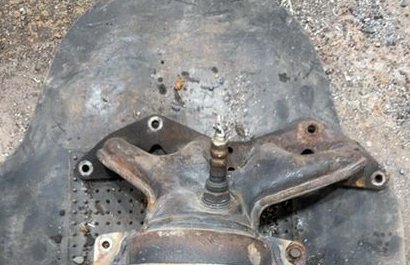
Catalytic converter theft has quietly become one of the biggest factors affecting what your scrap car is actually worth — and most car owners have no idea. If you've been sitting on an old vehicle in Trois-Rivières and wondering why quotes seem lower than expected, this might be exactly why.
This article breaks down how catalytic converter theft affects scrap car values, what it means for you as a seller, and how to protect yourself when it's time to get cash for your car in Canada.
What Is a Catalytic Converter and Why Do Thieves Want It?
A catalytic converter is part of your vehicle's exhaust system. It reduces harmful emissions by converting toxic gases into less harmful ones before they exit the tailpipe. Inside every catalytic converter are small amounts of platinum, palladium, and rhodium — precious metals that happen to be worth serious money on the secondary market.
Those three metals are what make catalytic converters a theft target. A converter can be cut off a vehicle in under two minutes with a cordless saw. The thief takes it to a scrap buyer, gets paid cash, and the car owner is left with a vehicle that won't pass emissions and costs hundreds — sometimes thousands — of dollars to repair.
- Platinum, palladium, and rhodium are the precious metals inside every cat
- Hybrid vehicles often have converters with higher precious metal content, making them prime targets
- Trucks and SUVs are hit frequently because of their higher ground clearance — easier access underneath
- A stolen converter means your vehicle can't run cleanly and may not be drivable at all
This isn't a small-scale problem. Theft rates across North America spiked sharply through the early 2020s and haven't fully come back down. In Quebec, including cities like Trois-Rivières, police services have documented ongoing converter theft rings operating across multiple municipalities.
How Catalytic Converter Theft Directly Affects Scrap Car Removal Trois-Rivières Quotes
Here's where it hits you directly. When you call for a scrap car removal quote in Trois-Rivières, the buyer is pricing your vehicle based on what they expect to recover from it. That includes the steel in the body, the engine components, the aluminum, the copper wiring — and yes, the catalytic converter.
A car with its catalytic converter intact is worth more than the same car without one. Full stop. Scrap buyers and auto recyclers factor the converter's precious metal content into their offer. When that converter is already gone — stolen before you even decided to scrap the car — that value disappears from your quote.
This creates a frustrating situation for honest sellers. You didn't steal it. You didn't sell it separately. Someone else did, and now you're absorbing the loss at quote time. Platforms like SMASH help address this by connecting sellers with multiple vetted buyers — meaning competition works in your favour, and the remaining value of your vehicle gets fairly discovered through the auction process rather than a single buyer's lowball.
- A missing catalytic converter can reduce your scrap car's value noticeably
- Buyers will visually inspect or ask directly whether the cat is present
- Documenting your vehicle's condition upfront — photos, VIN, component checklist — leads to more accurate and confident offers
- Trying to hide a missing converter will backfire — experienced buyers spot it immediately
The Difference Between Scrapping a Car With and Without a Cat
Let's be practical about this. When you're pricing out a junk car, the catalytic converter sits in a separate category from the rest of the vehicle's scrap metal weight. The steel, cast iron, and aluminum in the frame and engine block are priced by weight at standard scrap rates. Catalytic converters get valued based on their precious metal assay — a completely different pricing model.
That's why the difference in value isn't just a few dollars. Depending on the make and model, a catalytic converter from a late-model vehicle could represent a meaningful percentage of the car's total scrap value. Lose the cat and you lose a disproportionate chunk of what the vehicle is worth — not just a small slice of the total scrap metal weight.
For anyone in Quebec looking to get a free car valuation, being upfront about whether the converter is present gets you an honest quote from the start. No surprises. No lowering the offer at pickup time.
If you want to go deeper on how individual components affect your payout — not just catalytic converters — read car selling tips on the cashfor-cars.ca blog. There's practical information there for first-time sellers who want to understand the full picture before they call anyone.
What To Do If Your Car's Catalytic Converter Was Already Stolen
This situation is more common than you'd think. Someone parks an older car in the driveway for six months, planning to deal with it eventually, and comes back to find the converter is gone. Or the theft happened years ago, the car never got fixed, and now it's just sitting there taking up space.
You still have options. A car without a catalytic converter still has value as scrap. Steel is steel. Aluminum is aluminum. The rest of the vehicle's recyclable content doesn't disappear because the cat is gone. What changes is the total offer — and that's something to negotiate transparently, not hide.
Here's what to do in this situation:
- Document the condition honestly. Take clear photos of the underside showing the missing converter. Buyers appreciate transparency — it builds trust and speeds up the process.
- Get multiple quotes. Don't accept the first number you hear. Use platforms like SMASH or reach out to multiple junk car buyers near me Trois-Rivières listings to let competition work in your favour.
- Know your vehicle's weight class. Heavier vehicles (trucks, vans, larger SUVs) still carry solid scrap value even without the converter, because steel tonnage adds up fast.
- File a police report if you haven't already. In Quebec, this may be relevant for insurance purposes and helps contribute to local theft tracking data.
- Get the VIN verified. Proper documentation of your vehicle keeps the transaction clean, especially if you're working with a recycler who needs a clean paper trail before they issue payment.
The scrap recycling industry in North America has built better systems for handling this kind of documentation. A B2B scrap metal marketplace like SMASH goes further — requiring vetted buyers who follow proper intake procedures, which protects both sellers and the buyers downstream. You can explore how that marketplace operates at sell your scrap metal on SMASH Recycling.
How to Protect Your Parked Vehicle From Catalytic Converter Theft
If you still have a functioning vehicle you're planning to scrap in the near future — but haven't pulled the trigger yet — protecting the converter until you sell matters. A theft between now and your sale date is money out of your pocket.
Some practical steps that actually work:
- Park in well-lit, high-traffic areas. Thieves look for dark, quiet spots where they can work uninterrupted.
- Install a catalytic converter lock or shield. These metal cages bolt around the converter and make removal significantly harder and louder. They're widely available and worth the cost if your vehicle has a high-value cat.
- Engrave your VIN onto the converter. Some police departments in Quebec offer free VIN etching programs. An engraved converter is harder to sell and easier to trace.
- Use a garage if you have one. Obvious but effective — thieves almost never target vehicles inside enclosed spaces.
- Consider selling sooner rather than later. If the car is already past its useful life, every month it sits is a month it's exposed to theft risk. Getting a quote costs nothing.
This last point is worth emphasizing for anyone in Trois-Rivières dealing with a vehicle they know they're going to scrap eventually. The longer it sits, the more exposure it has — to weather, to vandalism, and to converter theft. Moving on the sale when you're ready means you capture the full value while it's still there.
Sell My Junk Car for Cash — Getting the Best Outcome Even With a Missing Converter
The scrap car market in 2026 rewards sellers who come prepared. Buyers — whether independent yards or platforms operating across North America — respond to accurate information, clear documentation, and honest condition reporting. That's true whether your catalytic converter is present or long gone.
When you're ready to sell my junk car for cash, here's the short version of what actually matters:
- Know your vehicle year, make, model, and approximate weight class
- Document what's there — and what's missing — with photos
- Have your VIN ready for any buyer that asks (and reputable ones always do)
- Don't accept a single quote — competition drives better price discovery
- Understand that a missing converter changes the number, but doesn't kill the deal
The junk car buyers near me Trois-Rivières searches you're running will surface a mix of options. The difference between a frustrating experience and a smooth one usually comes down to how well you understand the process before you pick up the phone. Catalytic converter theft is a real factor — but it's a manageable one when you know what you're dealing with.
If you're in Trois-Rivières or anywhere else in Quebec and you're ready to move on from an old vehicle, start with a free quote. You don't need to have all the answers before you reach out. The right buyer will walk you through the rest.
Get cash for your car in Canada — head to cashfor-cars.ca and get a free quote today. Whether your car is complete, missing parts, or hasn't moved in years, there's a path forward.
Frequently Asked Questions
Q: Does a missing catalytic converter mean I can't get cash for my scrap car in Trois-Rivières?
No. You can still sell a vehicle without a catalytic converter — it just affects the total value of the offer. The rest of the vehicle's steel, aluminum, and other recyclable components still have worth. Be upfront about the missing part and get multiple quotes to make sure you're getting a fair number.
Q: How do I find junk car buyers near me in Trois-Rivières?
Start with an online search and look for buyers who ask for your VIN and vehicle details upfront — that's a sign of a legitimate operation. Platforms like SMASH connect sellers with vetted buyers across North America, which can help you get competitive offers rather than a single take-it-or-leave-it quote.
Q: How long does scrap car removal in Trois-Rivières typically take?
Most reputable buyers can arrange pickup within a few business days once you accept a quote. Some offer same-day or next-day service depending on your location and their schedule. Have your paperwork — title, registration, ID — ready to speed things up.
Q: Does it cost anything to get a quote for scrap car removal in Trois-Rivières?
No. Getting a quote should always be free. If a buyer charges you just to give you a number, that's a red flag. Free quotes are the standard in this industry — don't pay for information you shouldn't have to.
Q: Will scrap car prices in Quebec change throughout 2026?
Yes. Scrap metal prices fluctuate based on global commodity markets, steel demand, and precious metal prices. The value of your vehicle today may differ from its value next month. If you're thinking about selling, getting a current quote gives you an accurate picture of what the market looks like right now. Prices referenced in any article are general in nature — always check current rates with a buyer directly.
Stay current on scrap metal market trends and industry insights — follow SMASH on LinkedIn for regular updates from inside the recycling industry.