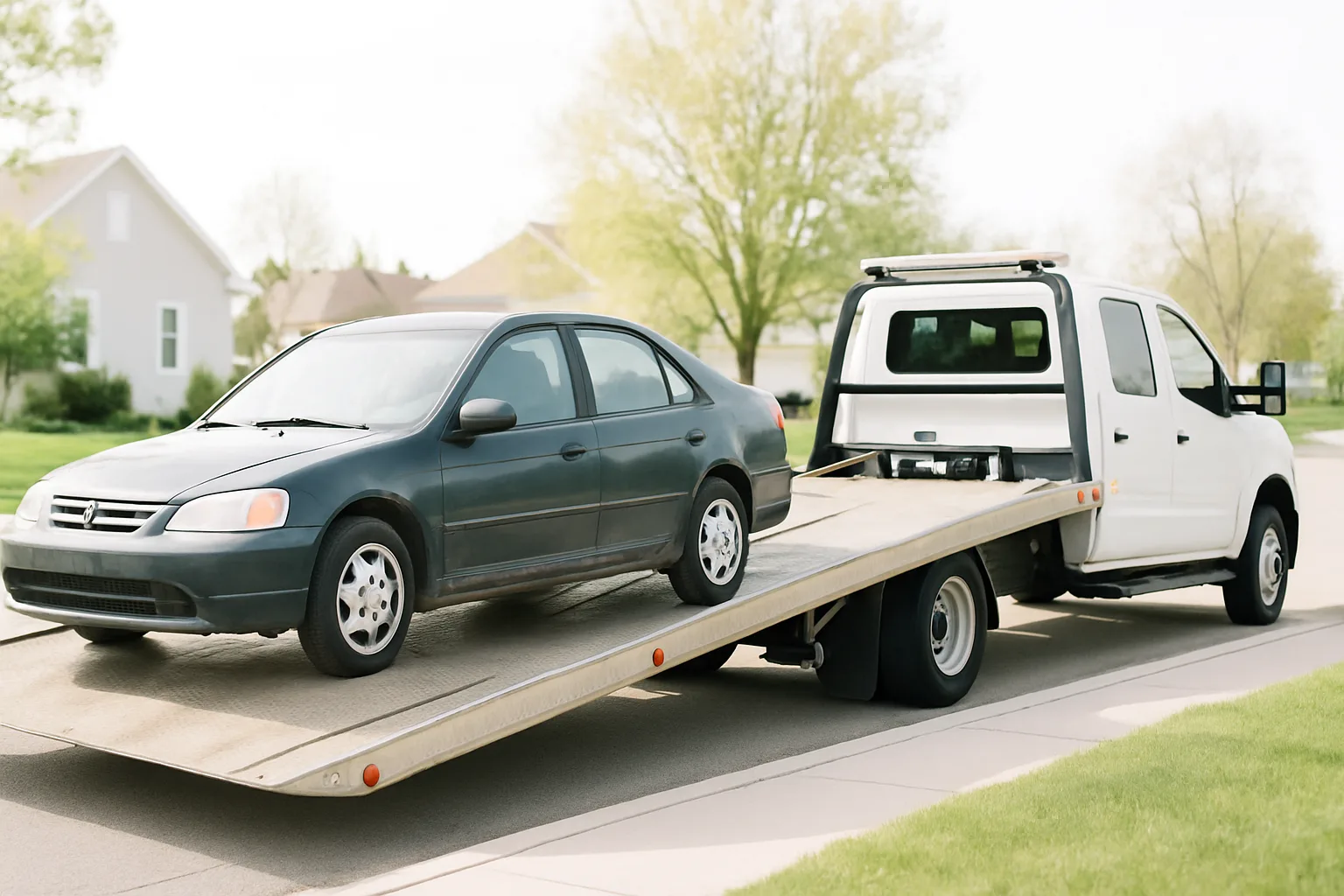
Most people think scrapping a car is simple — call a junk car buyer, hand over the keys, and move on. But there's one step that trips up hundreds of Quebec drivers every year: cancelling your insurance at the wrong time. Cancel too early and you're driving uninsured. Cancel too late and you're paying premiums on a car you no longer own. If you've been searching for junk car buyers near me Montreal, this guide walks you through the full process — including the insurance step most sellers skip entirely.
This isn't just about saving money (though you will). It's about protecting yourself from liability and making sure you're not on the hook for a vehicle you've already sold for scrap.
---Why Cancelling Insurance at the Right Time Protects You
Here's something most junk car buyers won't tell you: until your name is off the registration and you've formally notified your insurer, that vehicle is still your legal and financial responsibility. In Quebec, the SAAQ handles vehicle registration — and cancelling your plates is a separate process from cancelling your insurance policy. Both need to happen, and in the right order.
If the tow truck picks up your car on a Tuesday and you forget to cancel your insurance until the following month, you've paid for coverage on a vehicle sitting in a scrap yard. That's money out of your pocket for zero reason. On the flip side, if you cancel your insurance before the car is physically removed and something happens during the pickup — an accident, a fire — you're exposed. Don't rush it. Sequence matters.
The correct order for most Quebec sellers:
- Confirm your sale with a licensed junk car buyer or scrap service
- Get your written confirmation or bill of sale
- Return or cancel your licence plates at the SAAQ
- Contact your insurer with proof of sale and plate return
- Request your refund or prorated premium credit
Step-by-Step: How to Cancel Car Insurance After a Scrap Sale in Quebec
Once your vehicle is sold and you have documentation in hand, cancelling your insurance is straightforward — but the details matter. Quebec operates under a hybrid insurance model. The SAAQ covers basic injury compensation through its provincial plan, while private insurers handle civil liability and property damage. When you scrap a car, you're dealing with both layers.
Here's what you need to do:
- Gather your documents first. You'll need the bill of sale or transfer document from your get cash for your car in Canada transaction, plus your insurance policy number and SAAQ registration.
- Return your licence plates. In Quebec, plates belong to the vehicle owner, not the car. You can return them to any SAAQ service point. This step stops the SAAQ portion of your coverage and may trigger a partial refund.
- Call or email your private insurer. Let them know the vehicle has been sold for scrap, provide the bill of sale date, and ask for a prorated refund on any unused premium.
- Get written confirmation of cancellation. Always. You want a paper trail proving coverage ended on a specific date — especially if there's any dispute later about the vehicle.
- Check your refund timeline. Most Quebec insurers process refunds within 10–30 business days. Ask your broker or insurer exactly what to expect.
If you're leasing or still financing the vehicle, there's an additional step: notify your lender before you sell. You cannot legally transfer a vehicle you don't own outright without lender approval. Reputable cash for cars Montreal services know this — any buyer who pressures you to skip this step is a red flag.
---What Documents You Need Before Contacting Your Insurer
Walking into this conversation unprepared wastes time and can delay your refund. Your insurer will want to confirm the vehicle is genuinely out of your possession and that you're not just temporarily removing coverage while keeping the car. The documentation you collect during your scrap sale is what protects you here.
Minimum documentation you should have ready:
- Bill of sale or transfer receipt — dated and signed by both parties
- SAAQ plate return confirmation — a receipt or transaction record from your service point visit
- Vehicle identification (VIN) — the 17-digit VIN found on the dashboard or door jamb; some buyers use platforms that include serial tracking and VIN lookup built into their process, which makes this documentation easier to produce
- Your insurance policy number and the name of your primary insured driver
- Photo documentation of the vehicle condition at time of sale (optional, but smart — especially if the car had pre-existing damage)
Services like SMASH make the documentation side easier by building photo records and inventory tracking into the sale itself. When your scrap buyer provides clean paperwork, your insurer has no reason to delay the cancellation. It's one of the reasons sellers who get a free car valuation through a legitimate platform have fewer headaches at the insurance step.
---How Much of Your Premium Can You Get Back?
This depends on your policy type and how far into your coverage period you are. Most standard auto policies in Quebec are annual, and insurers calculate refunds on a prorated basis — though some policies include a short-rate penalty for early cancellation. Read your policy or call your broker before assuming you'll get back a full prorated amount.
A few realistic scenarios:
- If you're 3 months into a 12-month policy and cancel today, you may receive approximately 75% of your remaining unused premium — minus any applicable fees.
- If your policy is month-to-month, you may only receive a refund through the end of the current billing cycle.
- If the car was added mid-term to an existing multi-vehicle policy, your insurer will simply remove it from the policy — your overall premium adjusts, and the refund may be applied as a credit.
The bottom line: don't leave that money on the table. Scrap car sellers in Montreal and across Quebec are often so focused on getting the vehicle out of their driveway that they forget to follow up on the insurance refund. That refund, combined with the cash you receive from your scrap sale, adds up.
For more guidance on getting the most value from your sale, read car selling tips on the cashfor-cars.ca blog — including how to handle paperwork when selling a non-running vehicle.
---How SMASH Helps Sellers in Montreal Get Clean Deals
The insurance cancellation process only goes smoothly when the sale itself is clean. That means documented, timestamped, and backed by a legitimate buyer. The problem with the old way — one phone call, one local contact, a handshake deal — is that paperwork is inconsistent. Some buyers hand you a proper bill of sale. Others hand you a sticky note. Your insurer won't accept a sticky note.
SMASH brings structure to the scrap sale process. Vetted buyers, documented transactions, and an auction format that puts real competition behind your vehicle's value. Whether you're selling a rusted-out sedan or a load with high-value components like a catalytic converter — yes, platforms like SMASH handle sell your scrap metal on SMASH Recycling including cats and non-ferrous materials — the transaction comes with proper documentation from the start.
That documentation is exactly what you need to hand your insurer. Clean deal in, clean cancellation out. Sellers using SMASH don't have to chase down paperwork after the fact — it's built into the process.
If you're in Montreal and you've been looking for junk car buyers near me Montreal, start with a platform that gives you both competitive value and the paperwork to back it up. Montreal scrap metal services through Montreal scrap metal services are available and ready to quote your vehicle — with the documentation you'll need for every next step, including your insurance cancellation.
---Common Mistakes Montreal Sellers Make After Scrapping a Car
Even experienced sellers make these errors. Knowing them in advance saves you time, money, and aggravation.
- Cancelling insurance before the sale is finalized. If the buyer backs out or delays pickup, you're driving — or towing — an uninsured vehicle.
- Forgetting to return plates to the SAAQ. In Quebec, failing to return your plates means the SAAQ portion of your coverage stays active — and you may not receive your provincial fee refund.
- Not getting a bill of sale. If a buyer refuses to provide written documentation, walk away. You need proof of transfer for your insurer, for the SAAQ, and for your own records.
- Assuming the buyer handles the registration transfer. In Quebec, the seller is responsible for notifying the SAAQ. Don't assume it's been done.
- Waiting too long to call your insurer. Every day you delay after the sale is a day you're paying for coverage you don't need.
Selling a junk car in Quebec doesn't have to be complicated. The process is well-established — but it rewards sellers who do it in order and keep records at every step. Whether you're in Montreal, Laval, Longueuil, or anywhere else in the province, the rules are the same. Get your documentation, return your plates, and call your insurer. In that order.
---Frequently Asked Questions
Q: Can I cancel my car insurance before the junk car buyer picks up my vehicle?
No — you should not cancel your insurance before the vehicle physically leaves your possession. Until the car is picked up and ownership is legally transferred, you carry liability for it. Wait until you have a signed bill of sale and the vehicle has been removed, then cancel promptly.
Q: How do I find reputable junk car buyers near me in Montreal?
Look for buyers who provide written quotes, sign a bill of sale, and can confirm a clear pickup timeline. Platforms like SMASH connect sellers with vetted buyers across Quebec and the rest of Canada. Avoid anyone who won't put the deal in writing.
Q: Will I get a refund when I cancel my insurance after selling my scrap car?
Most Quebec insurers provide a prorated refund on unused premium after a legitimate cancellation. Some policies include an early cancellation fee, so check your policy terms or ask your broker before expecting a full return. Return your SAAQ plates first — that step triggers the provincial portion of your refund.
Q: Do I need to notify the SAAQ when I sell my car for scrap in Quebec?
Yes. In Quebec, you're required to notify the SAAQ when you sell or transfer ownership of a vehicle. You also need to return your licence plates. This is a separate step from cancelling your private insurance policy — both must be done.
Q: What happens if I don't cancel my insurance after scrapping my car?
Your insurer continues to charge you premiums on a vehicle you no longer own. Worse, if the vehicle somehow causes damage or is involved in an incident before the paperwork is properly settled, your policy could be implicated. Cancelling promptly — with documentation — protects you from both financial waste and potential liability.
---You've done the hard part by deciding to sell my junk car today rather than let it sit and depreciate. Now finish it right. Cancel your insurance in the correct order, return your plates to the SAAQ, and keep every document. If you want to make sure your scrap sale comes with clean paperwork from the start, cashfor-cars.ca is the place to get a free quote and move forward with confidence — no guessing, no sticky notes, no loose ends.
Follow SMASH on LinkedIn for scrap metal market updates, price trends, and industry insights: linkedin.com/company/scrap-metal-auction-sales-hub