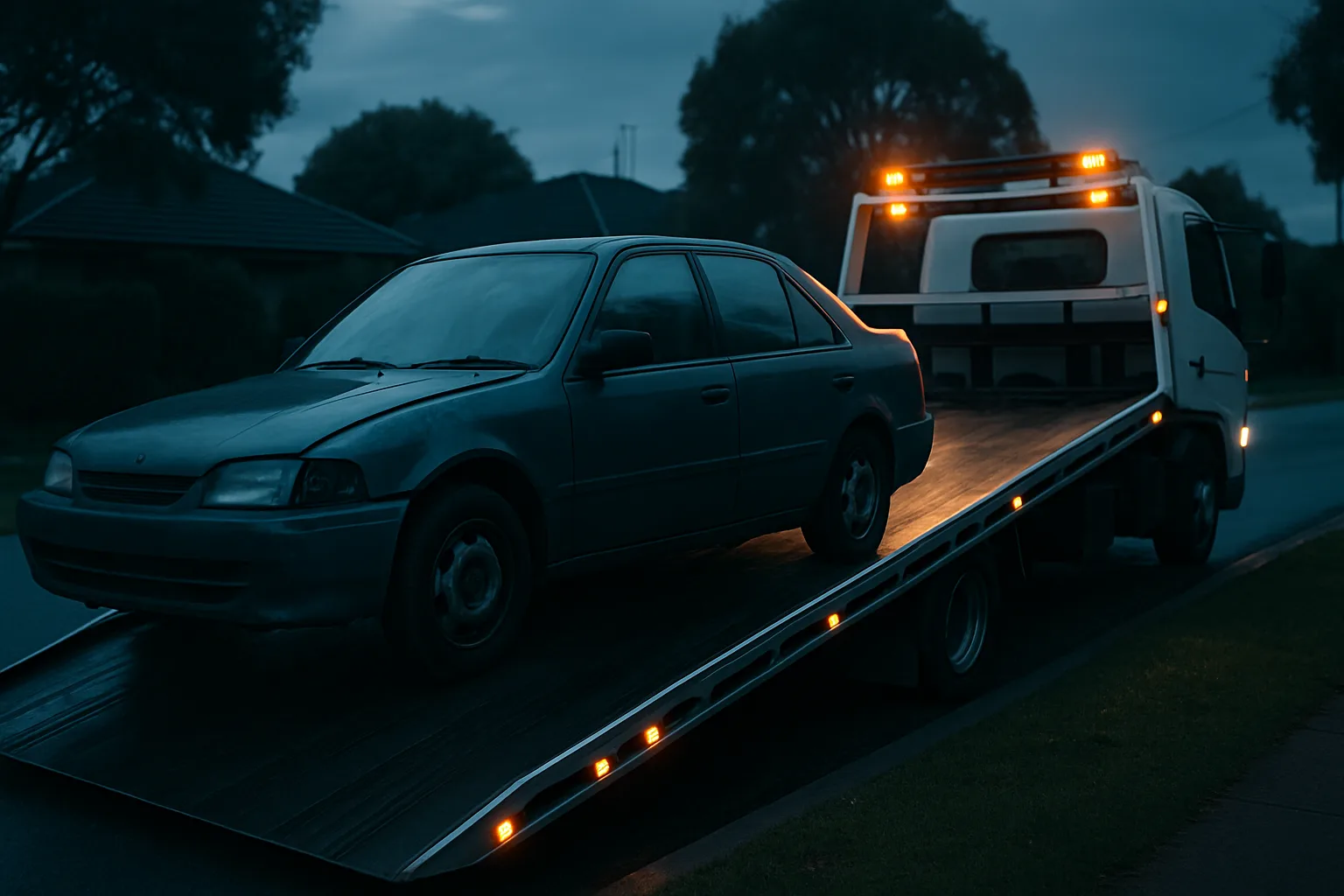
From Your Driveway to the Furnace: What Really Happens After Junk Car Removal in Sydney
Most people hand over their keys, pocket their cash, and never think about that car again. But if you've ever wondered what actually happens to your vehicle after junk car removal in Sydney, the answer is more structured — and more valuable — than you'd expect. Your old car doesn't just disappear. It gets systematically stripped, sorted, and sold, generating real value at every step.
Understanding this process matters for one reason: it helps you know what your car is actually worth. When you understand how recyclers profit from your vehicle, you can negotiate from a position of knowledge instead of just hoping you're not getting lowballed.
Step 1 — The Vehicle Arrives at the Auto Recycling Yard
When a tow truck delivers your car to a recycling facility in Sydney or anywhere across Nova Scotia, it doesn't just get parked in a lot. The first thing that happens is intake documentation. Staff photograph the vehicle, record the VIN, note the make, model, year, condition, and log it into inventory. This documentation protects both the yard and the seller — it establishes what came in and when.
Platforms like SMASH have pushed this process forward. Compare scrap metal bids from Canadian buyers using a system that requires proper photo documentation, serial tracking, and detailed inventory records before any load goes to auction. That level of documentation isn't just good housekeeping — it gives buyers confidence, and confident buyers bid higher.
After intake, the vehicle gets a preliminary assessment. Technicians check:
- Whether the engine and transmission are salvageable
- The condition of body panels, doors, and glass
- Tire condition and wheel type
- Whether the catalytic converter is intact (this matters — a lot)
- Battery type and condition
- Any fluids remaining in the vehicle
That assessment determines how the car gets processed. High-value components get pulled before anything goes to the crusher.
Step 2 — Fluids Out First, Every Time
Before anything else gets touched, all fluids are drained. This is non-negotiable — both for environmental compliance and for safety. A typical end-of-life vehicle contains multiple hazardous materials that can't go to the shredder untreated.
Technicians remove and properly contain:
- Engine oil — typically 4 to 6 litres per vehicle
- Coolant / antifreeze — often recycled and resold
- Transmission fluid and brake fluid
- Power steering fluid
- Air conditioning refrigerant — this requires certified recovery equipment under federal regulations
- Fuel — remaining gasoline or diesel is drained and stored
This step is strictly regulated across Canada, and yards in Nova Scotia operate under provincial environmental standards. Any yard skipping this step is cutting corners — and that's a yard you don't want handling your vehicle. When you get cash for your car in Canada through a reputable buyer, you know the downstream processing meets these standards.
Step 3 — Parts Stripping: Where the Real Money Comes From
This is where a car's value gets maximized. After depollution, skilled dismantlers work through the vehicle systematically, pulling every component that can be resold as a used part or refined separately.
The catalytic converter is the single most valuable component on most junk cars today. It contains platinum group metals — platinum, palladium, and rhodium — that refiners pay serious money for. If you've been thinking about how to sell catalytic converters online, understand that recyclers deal in volume here. A single cat from a common domestic vehicle can be worth anywhere from a few dozen to several hundred dollars depending on the model and current PGM prices. That price changes daily based on commodity markets. Check current rates before you assume — scrap cat value today looks different than it did six months ago.
Beyond the cat, dismantlers pull:
- Engine and transmission — if reusable, these go into used parts inventory for resale to repair shops
- Alternator, starter, and other electrical components
- Radiator and AC condenser — aluminum content makes these valuable non-ferrous scrap
- Copper wiring harness — copper prices make this worth pulling
- Aluminum rims — if present, separated and sold as non-ferrous
- Doors, hoods, fenders — sold as body parts or crushed depending on condition
- Seats and interior trim — high-demand parts for common models
- Battery — lead-acid batteries are recycled through separate channels
After dismantling, what's left is a stripped shell — mostly steel. That's when it finally heads to the crusher. But don't underestimate that steel. Even the shell has real value on the scrap metal market.
Step 4 — The Scrap Shell Goes to Auction or Gets Baled
The stripped car body gets flattened or baled, then sold as shredder feed to steel mills. This is where SMASH scrap auctions come into the picture for yards moving volume. Instead of calling one steel mill and taking their posted price, recyclers who use platforms like SMASH put their loads in front of multiple vetted buyers simultaneously. That competition can help reveal the true market price for the material.
More buyers means better price discovery. A yard in Sydney, Nova Scotia running a load of shredder feed through a competitive auction is going to get more information about what their material is actually worth than a yard making one phone call to one mill. That's just math.
This is the same principle that makes cash for cars Nova Scotia offers vary so widely. The yard that's actively competing for buyers on its outbound scrap can afford to pay you more on the inbound. The yard stuck in the old model — one buyer, one price, no competition — is paying you less because they're earning less.
Want to understand how scrap markets actually move? Read car selling tips that break down how metal prices, buyer competition, and documentation all affect what you get paid for your vehicle.
Step 5 — What Determines Your Scrap Car Value Today
Here's the honest answer: multiple factors move simultaneously, and no one can give you a static price that holds forever. When you're trying to understand scrap car value today, you need to think about these variables:
- Current steel prices — the scrap steel market is a commodity market. It fluctuates weekly.
- Current non-ferrous metal prices — copper, aluminum, and platinum group metals are all priced independently
- Your vehicle's specific model — common models with reusable parts command better prices because parts demand is higher
- Geographic location — a yard in Sydney with access to regional mills may price differently than a yard in a major urban centre
- Completeness of the vehicle — a car with its cat intact, all four wheels, and no major missing components is worth more than one that's already been stripped
- Current buyer demand — auction results reflect actual demand, not posted rates
Disclaimer: All metal prices fluctuate with commodity markets. Check current rates before making any decisions based on scrap value.
The best way to know what your specific car is worth right now is to get a quote from a buyer who has access to real market data — not a number pulled from a spreadsheet that hasn't been updated in three weeks. When you get a free car valuation through a platform connected to live buyer networks, you're starting from a better position.
Why This Process Matters to Car Owners in Sydney
If you're sitting on an unwanted vehicle in Sydney, Cape Breton, understanding this process puts you in a better position to sell. You know that your car has real value beyond just its steel weight. You know that a catalyst, a copper harness, or a good transmission can meaningfully affect your offer. You know that a buyer with competitive outbound sales can afford to pay you more than a buyer who's just guessing at margins.
Nova Scotia car owners have more options in 2026 than they did five years ago. Online platforms, transparent auctions, and digital documentation mean the information gap between seller and buyer has narrowed. You don't have to take the first number someone gives you on a cold call.
SMASH exists specifically to close that gap — on both sides of the transaction. Yards that use SMASH to sell their outbound scrap competitively are the same yards that can offer sellers a fairer number upfront. That's the logic. That's the system.
If you've got a car sitting in the driveway that's costing you space and insurance, now you know exactly where it's going and why it's worth something. Get cash for your car in Canada — start with a free quote at cashfor-cars.ca and find out what your vehicle is actually worth in today's market.
Frequently Asked Questions
Q: How long does junk car removal in Sydney take from first contact to pickup?
Most buyers can arrange pickup within 24 to 72 hours of accepting a quote. In Sydney, Nova Scotia, local buyers typically offer same-day or next-day towing depending on availability and the day of the week. The process moves fast once you confirm the offer.
Q: Does my car need to run to qualify for junk car removal?
No. Most scrap buyers purchase non-running, damaged, and complete write-offs. The vehicle's condition affects the offer amount, but a car that doesn't start is still worth real money in scrap metal, parts, and catalytic converter value. Don't assume it's worthless — get a quote first.
Q: What documents do I need to sell my car for scrap in Nova Scotia?
You'll typically need your vehicle registration and proof of ownership (the title or bill of sale). Nova Scotia buyers will ask for ID to verify you're the registered owner. If you've lost your title, contact Access Nova Scotia to get replacement documentation before you arrange pickup.
Q: Will the auto recycler remove the catalytic converter before giving me a quote?
Reputable buyers quote based on the vehicle as described or inspected — including the catalyst. If you remove the cat yourself before getting a quote, expect the offer to drop accordingly. Some sellers ask about selling the cat separately, which is possible, but requires understanding current PGM market prices. Platforms that help you sell catalytic converters online can provide market context.
Q: How does SMASH affect what I get paid for my junk car?
SMASH primarily serves auto recyclers and scrap yards — it's an auction platform that helps yards sell their outbound scrap metal competitively. When yards earn more on outbound loads, they can offer better prices on inbound vehicles. It's an indirect benefit: more competition in the scrap market creates upward pressure on what sellers receive.
Stay current on scrap metal market trends and industry news by following SMASH on LinkedIn — useful reading whether you're a yard operator or a car owner who wants to understand what drives the numbers.