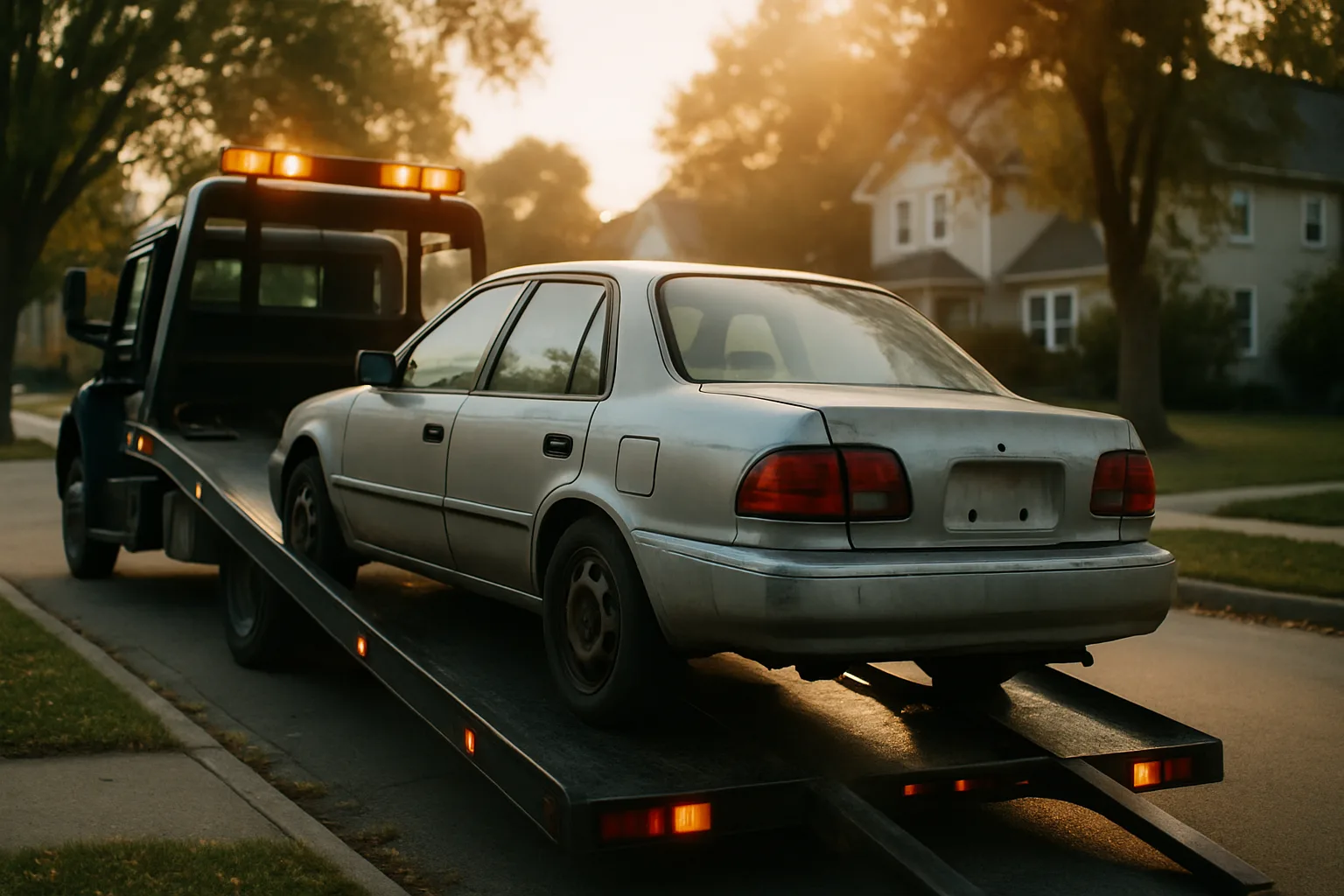
Catalytic converter theft jumped sharply across North America in recent years — and it changed how scrap yards, insurers, and private sellers think about vehicle value. If you own an older car sitting in your driveway in Dartmouth, this trend affects what you'll get paid when you finally decide to part with it. Understanding why converters get stolen, what they're worth, and how theft impacts your scrap car value puts more money in your pocket.
This isn't a scare piece. It's a practical breakdown of how catalytic converter theft intersects with the scrap car market — and what it means if you're trying to sell my junk car Dartmouth right now.
Why Thieves Target Catalytic Converters (And Why It Matters to You)
Catalytic converters contain platinum, palladium, and rhodium — three of the most valuable metals on the planet. A single converter can contain anywhere from a few grams to several grams of these platinum group metals (PGMs), depending on the vehicle make and model. When PGM prices spike, theft spikes with them. It's that direct.
Thieves can saw off a converter in under two minutes with a cordless angle grinder. That's it. No alarm triggered, no glass broken. The vehicle looks completely intact until you try to start it. For car owners, a stolen converter means a repair bill that often exceeds the car's market value — especially on older vehicles. That's the tipping point where most owners decide to get cash for your car in Canada instead of paying for a fix that doesn't make financial sense.
Here's what makes this relevant to scrap car values specifically:
- A car with its original converter is worth more to a scrap buyer than one without.
- A stolen converter signals to buyers that other components may also be compromised.
- Insurance write-offs from converter theft add inventory to the scrap market, which shifts local pricing.
- Yards and buyers now factor converter presence — or absence — directly into their offers.
How Catalytic Converter Theft Affects Scrap Car Values in Nova Scotia
In Nova Scotia, scrap car values are driven by weight, metal composition, and the condition of key components — converters being one of the most significant. When a car arrives at a yard missing its cat, that's not just a missing part. It's a missing revenue stream for the buyer. Expect that to come off your offer.
The gap between a complete vehicle and one missing its converter varies by make and model. Hybrid vehicles — especially older Toyota Priuses — have converters with higher PGM concentrations, making them prime theft targets and high-value items when present. A pickup truck converter is physically larger but may carry different metal ratios. The point is: the converter's presence or absence is now a real line item in any serious scrap car offer.
If your car was already written off by insurance after a converter theft, the picture changes again. You may be selling a car with a suspended registration, a salvage title, or no title at all. That's a different transaction — but it's still a transaction worth having. Platforms like SMASH Recycling — where verified buyers bid on your metal connect sellers with vetted buyers who understand salvage and partial-component vehicles. Competition between buyers means you don't leave money on the table guessing what your car's worth.
Sell My Junk Car Dartmouth: What Buyers Actually Look At
If you're trying to sell my junk car Dartmouth, here's what a scrap buyer evaluates before making an offer. Walk through this list before you call anyone — it puts you in a stronger negotiating position.
- Is the catalytic converter present? Yes or no. If it was stolen, say so upfront. Buyers can verify.
- Year, make, model, and trim. A 2009 Honda Element and a 2009 Honda Civic have very different converter values and overall scrap weights.
- Curb weight and metal composition. Heavier vehicles with more steel yield more at market prices.
- Engine condition. A running vehicle has more resale potential than a seized one, even in the scrap market.
- Tires and rims. Steel rims add weight. Aluminum alloys have separate non-ferrous value.
- Interior and glass. Largely irrelevant for scrap pricing, but important for parts buyers.
- Title status. Do you have a clear title? A lien release? No title at all?
Don't hide the converter situation. Experienced buyers in Dartmouth and across Nova Scotia deal with theft-impacted vehicles regularly. Transparency moves transactions faster and builds trust — which matters when you want to sell my car fast Dartmouth without the runaround.
No Title? Here's What You Need to Know Before You Sell
One of the most common reasons people delay selling a junk car is title anxiety. They either lost the title, never transferred it after buying the car privately, or the vehicle was written off and the title was retained by the insurer. The question of how to sell car for scrap no title comes up constantly — and the answer isn't as complicated as most people assume.
In Nova Scotia, a valid government-issued photo ID combined with proof of ownership (registration, purchase receipt, or insurance documents) can often be enough for a licensed scrap buyer to process the transaction. Rules vary by buyer and province. Some buyers require a statutory declaration. Others have a streamlined process for insurance write-offs where the insurer has already documented the title chain.
What you should never do: let title uncertainty stop you from at least getting a quote. The worst outcome is learning you need one additional document. The best outcome is getting paid today. Get a free car valuation and let the buyer tell you exactly what paperwork they need — don't guess.
SMASH works with buyers across North America who handle title-complex transactions regularly. That means you're not explaining your situation from scratch to someone who's never seen it before. You're talking to buyers who do this every week.
Scrap Metal Auction Platform vs. Single Buyer: Which Gets You More?
Here's the old way: you call one yard, they give you a number, you either take it or spend an afternoon calling three more. Each call is a cold start. You have no idea if the first offer was fair, low, or insulting.
Here's the SMASH way: your vehicle's details go in front of multiple vetted buyers simultaneously. They compete. You see real market response. That's what a scrap metal auction platform actually does for you — it replaces guesswork with competition.
This matters especially when a catalytic converter is involved. PGM prices fluctuate. What one buyer prices conservatively, another prices aggressively based on their current processing relationship or buyer demand. A single phone call can't surface that difference. An auction format can. Read car selling tips on how to prepare your vehicle information before you reach out to any buyer — it makes every quote you receive more accurate and more competitive.
Whether you're in Dartmouth selling one vehicle or a yard operator moving dozens of cores and cats, more buyers means better price discovery. That's not marketing language — it's how markets work.
How to Get the Most Cash for Your Scrap Car Right Now
You don't need a running car, a perfect title, or a complete vehicle to get paid. You need good information and the right buyers. Here's a practical action plan if you're ready to move:
- Document your vehicle's condition. Take photos of all four corners, the engine bay, and — critically — underneath where the converter sits. Confirm presence or absence.
- Pull your registration or last insurance slip. This establishes ownership if your title is missing.
- Know your weight class. A compact car weighs roughly 1,200–1,500 kg. A full-size pickup runs 2,000–2,700 kg. Weight matters for scrap value.
- Get multiple offers. Never accept the first number without knowing if there's competition for your vehicle.
- Ask about pickup. Most reputable buyers in Dartmouth and across Nova Scotia offer free towing. If a buyer charges for pickup, factor that into the net offer.
- Check current metal prices. Scrap prices fluctuate with global steel and PGM markets. A quote from three weeks ago may not reflect today's market.
Prices change. What your neighbor got for a similar car six months ago may be higher or lower than what the market pays today. Always verify current rates before you commit — and use a platform like SMASH where buyer competition reflects real-time market conditions, not a single yard's margin targets.
Disclaimer: Scrap metal and vehicle prices fluctuate based on market conditions. All price references in this article are general in nature. Always check current rates with a verified buyer before making a decision.
If you're ready to stop letting that car sit and start getting paid for it, the process is simpler than you think. Get cash for your car in Canada — a free quote takes minutes, and you'll know exactly where you stand without committing to anything.
Frequently Asked Questions
Q: Does a stolen catalytic converter lower what I'll get for my junk car in Dartmouth?
Yes, it typically does. A catalytic converter contains valuable platinum group metals, and its absence reduces the overall value of your scrap vehicle. Be upfront about it — buyers in Dartmouth deal with theft-impacted cars regularly and will price accordingly. Hiding it only creates problems later.
Q: Can I sell my junk car in Dartmouth without a title?
In many cases, yes. Nova Scotia buyers often accept proof of ownership — like current registration or insurance documents — combined with a government-issued photo ID. Requirements vary by buyer, so contact them directly to confirm what paperwork they need before you assume you can't sell.
Q: How do I sell my car fast in Dartmouth if it's been sitting for years?
Non-running, long-sitting vehicles still have scrap value. Get your make, model, year, and current condition ready before you call. Most reputable buyers offer free towing, so the car doesn't need to move under its own power. The faster you provide accurate details, the faster you get a real offer.
Q: What's the difference between selling to a scrap yard and using a scrap metal auction platform?
A single yard gives you one number with no competition. A scrap metal auction platform like SMASH puts your vehicle in front of multiple vetted buyers who compete for it. Competition can help reveal the true market value of your vehicle — especially when high-value components like catalytic converters are involved.
Q: Does my car need to run to get cash for it in Nova Scotia?
No. Non-running vehicles, insurance write-offs, and project cars that never got finished all have scrap value. What matters is weight, metal composition, and the condition of key components. A non-runner with its catalytic converter intact can still fetch a solid offer from the right buyer.
Stay current on scrap metal market trends and industry insights by following SMASH on LinkedIn — practical updates for sellers and buyers across North America.
```