Most people use these three terms interchangeably. That's a mistake — and it could cost you money. If you're sitting on an unwanted vehicle in St. John's and trying to figure out where to sell it, knowing the difference between a junkyard, a salvage yard, and an auto recycler is the first step toward getting a fair deal. Scrap car removal in St. John's isn't a one-size-fits-all process, and the type of facility you deal with directly affects what ends up in your pocket.
The Canadian used vehicle and scrap market has shifted considerably. Buyers are more competitive, documentation matters more, and sellers who show up informed consistently do better. Let's break it down clearly.
---What Is a Junkyard — and Is It Still Relevant in 2026?
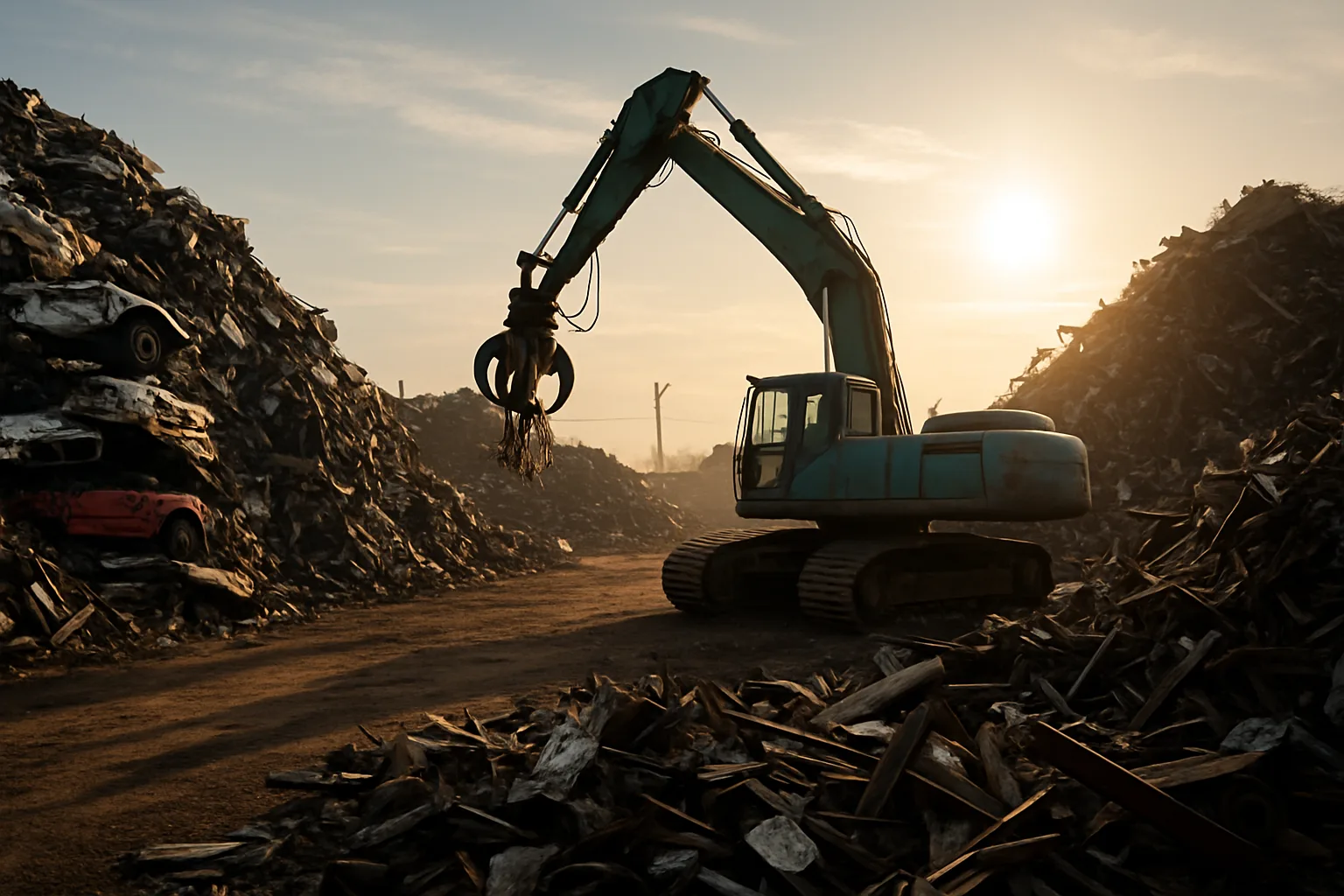
A junkyard is the oldest model in the bunch. Historically, junkyards were essentially open-air storage lots where end-of-life vehicles were dumped, stripped by customers, or left to rust. Think: rows of crushed cars, a chain-link fence, a dog that may or may not be friendly. The business model was simple — buy cheap, sell parts off the shelf or by the pound.
In 2026, the term "junkyard" still gets used loosely, but the operations behind it have changed in most regions. Environmental regulations across Canada have tightened significantly. Operators in Newfoundland and Labrador — like those in every other province — are held to fluid drainage, soil contamination, and waste disposal standards that the old-school junkyard model never had to consider. So when someone calls a place a "junkyard" today, they're usually describing a facility that operates under stricter rules than the name implies.
Key characteristics of a junkyard in 2026:
- Primarily buys vehicles for scrap metal weight, not for parts resale
- Minimal inspection process — they're buying volume
- Payment is usually flat-rate, based on weight and current scrap metal prices
- Little to no documentation beyond a basic title transfer
- Often offers same-day or next-day pickup
If your car is truly end-of-life — no sellable parts, structural damage, or completely stripped — a junkyard-style buyer may be exactly what you need. But if your vehicle still has value beyond its weight in steel, you're leaving money on the table by stopping here.
---How Salvage Yards Differ — and Why They Might Pay More for Your Car
A salvage yard operates on a different business model than a pure scrap buyer. Instead of melting your car down, a salvage yard tries to extract value from the vehicle first. Engines, transmissions, catalytic converters, alternators, body panels — these parts get pulled, tested, and resold before the shell is crushed for scrap.
That changes what your vehicle is worth to them. A 2018 Honda CR-V with a seized engine might be worth $300 at a scrap-by-the-pound buyer. At a salvage yard, that same vehicle — if it has a usable transmission, undamaged doors, intact airbags, and a clean catalytic converter — could be worth meaningfully more. The buyer is pricing parts, not just steel tonnage.
Salvage yards also tend to be more selective. They're looking for vehicles with a recoverable parts inventory. A flood-damaged car with corroded electronics? Less appealing. A mechanically failed car with an intact interior and low-rust body? Much more interesting to them.
What to know before approaching a salvage yard:
- Have your VIN ready — many buyers use VIN lookup tools to instantly assess parts demand and value
- Know what's missing or damaged — transparency speeds up the quote process
- Understand that the offer may be conditional on inspection
- Title and ownership documents are typically required
- Pickup is usually included, but confirm before you commit
If you're in St. John's looking for junk car buyers near you, ask directly whether they operate as a salvage yard or a pure scrap buyer. It affects how they price your vehicle.
---Auto Recyclers: The Most Comprehensive Option for Sellers
An auto recycler is essentially the evolved version of both a junkyard and a salvage yard — but with a formalized process, environmental compliance standards, and often, better price discovery. In Canada, the Automotive Recyclers of Canada (ARC) and provincial associations have worked to define what a certified auto recycler looks like: proper fluid depollution, tracked parts inventories, documented sales, and often, digital auction or listing platforms to reach more buyers.
The important difference for a seller? Auto recyclers typically have more buyers competing for your vehicle. That competition — when it's real and structured — is what drives better offers. A single buyer giving you a take-it-or-leave-it number isn't the same as multiple vetted buyers bidding against each other.
This is where platforms like compare scrap metal bids from Canadian buyers come into play. SMASH connects sellers with vetted buyers across North America — no subscription fees, no cold calls to a single yard hoping they're having a good day. You list your vehicle, document your inventory with photos and serial tracking, and let buyers compete. More competition means better price discovery. That's not a guarantee of a specific number — it's a structural advantage.
Auto recyclers who use digital tools also tend to handle paperwork more cleanly: auto-invoicing, packing lists, BOLs, and documentation that protects you after the sale. For sellers who have been burned by informal deals — verbal agreements, delayed payments, disputes over condition — working with a documented process is worth it.
---Which One Should You Use for Scrap Car Removal in St. John's?
Honestly? It depends on your vehicle and your timeline. Here's a practical breakdown:
Go with a scrap/junkyard-style buyer if:
- Your vehicle is truly end-of-life — crushed, flooded, completely stripped
- You need cash today and the vehicle has minimal remaining value
- You just want it gone and you're not worried about squeezing out every dollar
Go with a salvage yard if:
- Your vehicle failed mechanically but has intact usable parts
- You have a make/model with high parts demand (common domestic and Japanese vehicles typically)
- You're willing to wait a day or two for an inspection-based offer
Go with an auto recycler or platform like SMASH if:
- You want competitive bids, not one take-it-or-leave-it number
- You have a load, multiple vehicles, or non-ferrous material to move
- You want full documentation for the transaction
- You're a yard operator looking to optimize what you're selling downstream
St. John's sellers working with end-of-life vehicles should also be aware that Newfoundland and Labrador's geographic reality — island shipping, fewer local competitors — can affect how buyers price your vehicle. Getting quotes from multiple buyers, including those who operate nationally, often produces better results than defaulting to the first local number you get. You can get cash for your car in Canada without being limited to whoever happens to be closest.
---What Documentation Do You Actually Need to Sell a Scrap Car in Canada?
Regardless of which type of buyer you use, there are basics you should have ready. This isn't just about protecting the buyer — it's about protecting yourself. A proper title transfer ensures the vehicle is no longer in your name after the sale. Without it, you could be on the hook for tolls, fines, or liability if the vehicle is improperly disposed of.
Here's what most buyers in Canada will ask for:
- Proof of ownership — vehicle registration or title in your name
- Government-issued ID — matching the name on the registration
- Vehicle history — not always required, but useful if you have it
- Keys — both sets if you have them; some buyers adjust offers if keys are missing
- A cleared vehicle — remove personal items and confirm the plates are off before pickup
Platforms like SMASH also encourage sellers to use photo documentation and serial tracking for parts and catalytic converters. It's not bureaucracy — it's protection. A documented load moves faster and attracts more serious buyers. If you want to get a free car valuation before committing to any buyer, do it. No serious buyer should pressure you to skip that step.
For more practical guidance on getting the most out of your vehicle sale, read car selling tips that break down the process step by step — from first quote to final pickup.
---The Bottom Line on Junkyards, Salvage Yards, and Auto Recyclers
The label matters less than the process. A junkyard with transparent pricing and fast pickup might serve you better than a poorly run auto recycler with slow response times. What you're really looking for is: a vetted buyer, a fair and competitive offer, clean documentation, and a pickup process that doesn't require you to chase anyone down.
SMASH brings that structure to the scrap and recycling market. No single buyer holding all the cards. No guessing what your vehicle is worth. Just competition, documentation, and a process that actually works for sellers — whether you're in St. John's or anywhere else across North America.
If you're ready to stop guessing and start getting real offers, get cash for your car in Canada — a free quote at cashfor-cars.ca takes a few minutes and puts you in control of the process.
Disclaimer: Scrap metal and used vehicle prices fluctuate based on commodity markets, regional demand, and vehicle condition. Always check current rates before accepting any offer.
---Frequently Asked Questions
Q: What's the easiest way to get scrap car removal in St. John's?
Contact a buyer who offers free pickup — most reputable junk car buyers and auto recyclers include towing in their quote. Have your registration, ID, and keys ready. The process typically takes one to two business days from first contact to pickup in the St. John's area.
Q: How do junk car buyers near me in St. John's determine what my car is worth?
Most buyers look at three things: current scrap metal prices (primarily steel per ton), the condition and demand of any sellable parts, and the vehicle's weight. Make, model, year, and whether the catalytic converter is intact all factor in. A VIN lookup can help buyers quickly assess parts demand.
Q: Do I need a title to sell a scrap car in Newfoundland and Labrador?
Yes — you'll need proof of ownership (typically your vehicle registration) to complete a legal transfer. This protects you from liability after the vehicle leaves your property. If you've lost your registration, contact Service NL to explore your options before approaching buyers.
Q: Is there a difference between what a junkyard and an auto recycler will pay me?
Potentially, yes. A junkyard typically prices by weight. An auto recycler considers parts value on top of scrap weight, which can produce a higher offer for the right vehicle. Getting quotes from both types of buyers — rather than defaulting to the first one — is the best way to find out what your specific vehicle is worth.
Q: Can I sell a car with no engine or missing parts in St. John's?
Yes. A car with a missing engine still has value as scrap steel, and depending on what else is intact — catalytic converter, transmission, body panels — it may have parts value too. Be upfront about what's missing when you request a quote. Accurate descriptions lead to accurate offers and fewer surprises on pickup day.
---Stay current on scrap metal market trends and industry news — follow SMASH on LinkedIn for regular updates from across the North American recycling market.