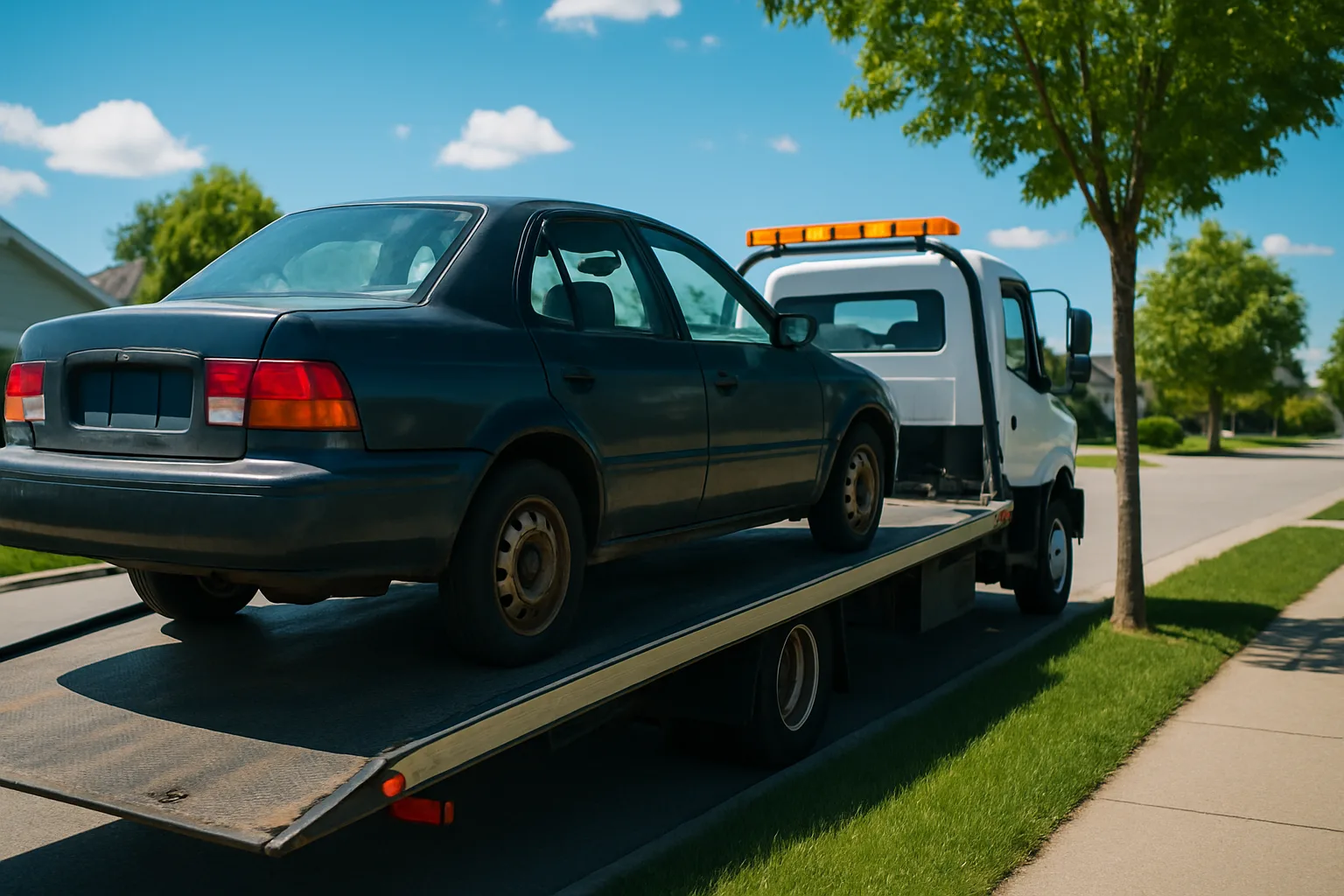
The Paperwork You Need to Scrap a Car in Canada (And Why It Matters More Than You Think)
Most people assume scrapping a car is as simple as handing over the keys and collecting cash. Then they show up without the right documents and the whole deal stalls. Getting your paperwork straight before you book a pickup isn't busywork — it's what separates a smooth transaction from a wasted afternoon. If you're looking for free scrap car pickup Prince George, knowing exactly what you need before the tow truck arrives will save you time, protect you legally, and help you get paid faster.
This guide breaks down every document you'll need, why each one matters, and what to do if you're missing something. Whether your car runs or not, whether it's been sitting in your driveway for a decade or you just decided it's time to let it go — this is what you need to know.
Proof of Ownership: The Non-Negotiable Document for Junk Car Removal in Prince George
No legitimate scrap buyer or junk car removal Prince George service will accept a vehicle without proof of ownership. Period. This protects them from handling stolen vehicles, and it protects you from liability after the car leaves your property.
In British Columbia, the primary document proving ownership is your vehicle registration. This is the document ICBC issues when you register the vehicle in your name. It shows the vehicle's make, model, year, VIN (Vehicle Identification Number), and the registered owner. If the registration is in your name and current, you're in good shape.
Here's what to bring:
- Vehicle registration document — issued by ICBC, must match your name
- Your government-issued photo ID — driver's licence is the standard
- The vehicle title (if applicable) — older vehicles in British Columbia may have a separate ownership certificate
If the car is registered in someone else's name — a deceased family member, a former spouse, or a private seller who never transferred ownership — you'll need to sort that out before the pickup. A scrap yard or removal service won't touch that transaction without the paperwork matching up.
What to Do If You've Lost the Title or Registration
Lost paperwork is one of the most common reasons a scrap car deal gets delayed. It happens constantly — especially with older vehicles that have been sitting untouched for years. The good news is there are clear steps to replace what you need, and it's not as complicated as it sounds.
In British Columbia, you can request a replacement registration through ICBC. You'll need to visit an ICBC autoplan broker with your ID. There's a small fee, and in most cases you can get a replacement document the same day or within a few business days. If the vehicle is older and registration has lapsed, you may need to confirm ownership through a vehicle history search tied to the VIN.
If you purchased the car privately and the seller never completed the transfer, that's a more complex situation. You may need to contact ICBC directly to understand your options. Buying or selling a vehicle without completing the transfer is a common issue — and it's one that scrap buyers deal with regularly. Be upfront about the situation and ask what documentation they'll accept as a workaround.
For anyone dealing with an estate vehicle — a car that belonged to a parent or family member who has passed — you'll typically need proof of executor status or a letter of administration. This isn't unique to Prince George; it applies to scrap car transactions across Canada.
Cancelling Your Insurance and Returning Your Plates
This is a step many people skip, and it can cost them. Once your vehicle is picked up for scrap, you need to cancel your ICBC insurance policy and return your licence plates. In British Columbia, your plates belong to you — not the vehicle — but you cannot legally transfer them to another vehicle if you don't formally end the previous registration.
Cancelling your insurance and returning plates also triggers a partial refund if you have time remaining on your policy. Don't leave that money on the table. Contact your ICBC autoplan broker as soon as the vehicle has been picked up. Bring your plates, your insurance documents, and your ID.
Here's a quick checklist for the post-pickup paperwork side:
- Cancel your ICBC insurance policy
- Return your licence plates to an ICBC broker
- Request a refund for unused insurance coverage
- Get written confirmation that the vehicle has been deregistered
Skipping this step means you're still legally connected to a vehicle you no longer own. If something happens to that car after the pickup — even if it's sitting in a scrap yard — you could face complications. Don't skip it.
How Scrap Metal Recycling in Canada Handles Your Documentation
When a scrap yard processes your vehicle, they're not just weighing it and writing you a cheque. Regulated scrap metal recycling in Canada requires yards to maintain detailed records of every vehicle that comes through — VIN, seller ID, transaction date, and in many provinces, a photo record of the condition of the vehicle at the time of receipt.
This is where platforms like SMASH change the process entirely. Rather than dropping your car at one yard and hoping the price is fair, selling your scrap metal on SMASH Recycling connects your vehicle or its components to a vetted network of buyers who compete for the load. Better documentation — photos, VIN records, part condition notes — actually increases buyer confidence and can improve what you walk away with. That's not a guarantee, but it's the logic behind competitive price discovery: more information means more serious bids.
For car owners in Prince George looking to maximize the return on a junk vehicle, understanding how scrap buyers use documentation is practical knowledge. A clearly documented vehicle with a clean title moves faster and attracts more serious offers than a mystery car with missing paperwork. If you want to get cash for your car in Canada, the paperwork isn't the obstacle — it's the foundation of the transaction.
Platforms built for scrap metal recycling Canada-wide — like SMASH — use serial tracking, photo documentation, and inventory tools to make the entire process more transparent for both sides. That's the direction the industry is moving, and it benefits sellers who come prepared.
Additional Documents That Can Affect Your Scrap Car Value
Beyond the ownership paperwork, there are a few other documents and records that can actually affect what your vehicle is worth to a buyer. Most people don't think about this, but it's worth understanding before you pick up the phone.
Service records — If you have maintenance records showing regular oil changes, brake work, or recent repairs, some buyers will consider this when evaluating a vehicle for parts resale rather than pure scrap weight. A car with documented service history may have usable components worth more than scrap metal alone.
Known damage reports or accident history — Being upfront about what's wrong with the vehicle builds trust and speeds up the transaction. Buyers who get accurate information upfront are less likely to renegotiate or back out at pickup.
Bill of sale from your original purchase — This isn't always required, but it can help establish a chain of ownership if the registration has lapsed or there are gaps in the title history.
Here's a complete document checklist to bring together before booking your free scrap car pickup:
- Current vehicle registration (matching your name)
- Government-issued photo ID
- Vehicle title or ownership certificate (if applicable)
- Keys to the vehicle
- Any service or repair records you have on hand
- Bill of sale from original purchase (if available)
- Any lien release documents if the vehicle was ever financed
That last point — lien release documents — is critical if the car was ever under a finance agreement. Even if you paid it off years ago, a lien may still show in the provincial registry. Buyers will flag this, and it can delay or kill a deal. Contact your lender or ICBC to confirm the lien has been officially discharged before you list the vehicle for sale or pickup.
Getting the Best Value for Your Scrap Car in Prince George, BC
Paperwork handles the legal side. But once that's sorted, the next question every seller asks is: how much is my car scrap value? The honest answer is that it depends on the vehicle's weight, the current price of steel and non-ferrous metals, the condition of salvageable parts, and how many buyers are competing for the load.
Scrap metal prices fluctuate based on commodity markets, demand from steel mills, and seasonal factors. Prices change week to week. What your neighbour got for their 2009 pickup last spring may not be what you'll get for yours today. Always check current market rates before settling on a number, and get multiple quotes wherever possible.
If you're in Prince George or anywhere across British Columbia, services offering free junk car removal for cash will typically quote based on the vehicle's estimated scrap weight and current metal prices. Larger vehicles — full-size trucks, SUVs, vans — generally return more because they carry more ferrous metal. Compact cars weigh less but may still have valuable catalytic converters or non-ferrous components.
The best move is to get a free car valuation before you commit to anything. Know what you're working with, have your documents ready, and let buyers compete for your vehicle. That's how you stop guessing and start getting paid what the market actually supports.
For broader context on how the scrap market works and how to position your load for better returns, read car selling tips from people who work in this industry every day. And if you have other scrap metal beyond just the vehicle — copper wire, aluminum, cores — check out Prince George scrap metal services to understand your full options locally.
Getting rid of a junk car shouldn't be a headache. Get your documents in order, know what your vehicle weighs and what the market is paying, and connect with buyers who are actually competing for it. If you're ready to move, get cash for your car in Canada — a free quote at cashfor-cars.ca takes minutes and puts real numbers in front of you without any obligation.
Frequently Asked Questions
Q: What documents do I need for free scrap car pickup in Prince George?
You need your vehicle registration (matching your name), a government-issued photo ID, and — if applicable — the vehicle title or lien release documents. Having your keys ready also speeds up the pickup. In British Columbia, ICBC registration is the primary proof of ownership for any scrap car transaction.
Q: Can I scrap a car without the registration in Prince George?
Most legitimate scrap buyers require some form of ownership documentation. If you've lost your registration, you can request a replacement through an ICBC autoplan broker with your photo ID. Operating without any proof of ownership will delay the process and may prevent the transaction from going through at all.
Q: How do I find out my car's scrap value before I call a buyer?
Scrap value depends on the vehicle's weight, current steel and non-ferrous metal prices, and whether any parts have resale value. Getting a free quote from a service like cashfor-cars.ca is the fastest way to get a real number. Keep in mind that scrap metal prices fluctuate — always verify current rates before accepting an offer.
Q: Do I need to cancel my insurance before junk car removal in Prince George?
You should cancel your ICBC insurance and return your licence plates after the vehicle has been picked up. In British Columbia, doing this promptly can trigger a refund on unused coverage. Don't leave that money sitting — contact an ICBC autoplan broker the same day or day after pickup.
Q: What if the car I want to scrap has a lien on it?
A vehicle with an active lien registered in British Columbia cannot be freely transferred or scrapped without resolving that lien. Contact your lender to confirm the debt is discharged and obtain a lien release document. Check the provincial registry to confirm the lien has been officially removed before attempting to sell or scrap the vehicle.
Disclaimer: Scrap metal and vehicle prices fluctuate based on commodity markets and local demand. All price information in this article is general in nature. Check current rates before finalizing any transaction.
Stay current on scrap metal market trends and industry news — follow SMASH on LinkedIn for regular updates on pricing, platform features, and what's moving in the North American scrap market.