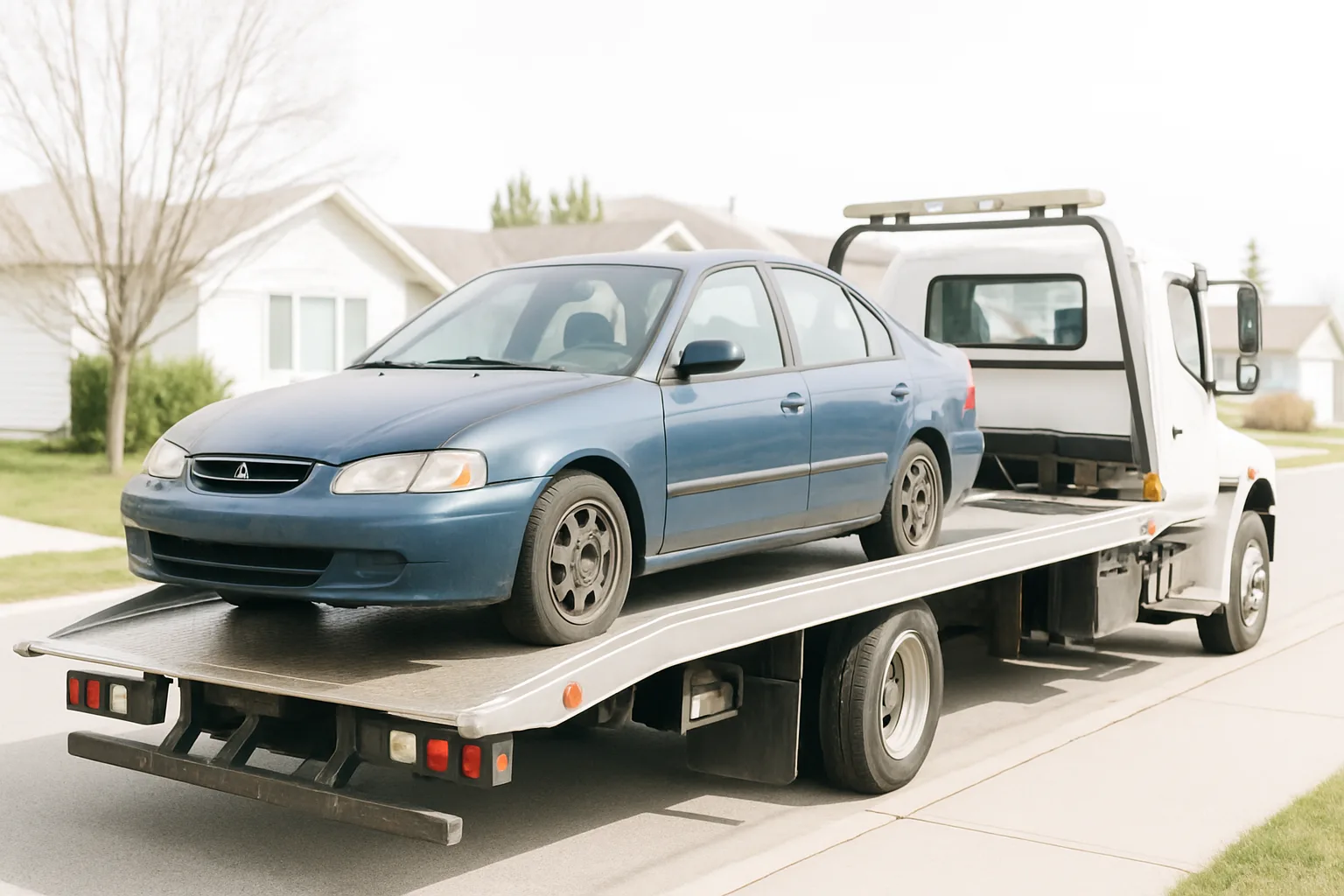
What Actually Happens to Your Car After You Sell It for Scrap in Calgary
Most car owners think scrapping a vehicle means dropping it off and walking away with cash. But there's a full industrial process that happens after you hand over the keys — and in 2026, that process is cleaner, more regulated, and more transparent than most people realize. If you're thinking about how to sell my car for cash Calgary, understanding what happens next isn't just interesting — it helps you make a smarter decision about who you sell to.
Alberta has some of the most established end-of-life vehicle (ELV) processing standards in Canada. Calgary's recycling infrastructure handles thousands of scrap vehicles every year, and the environmental protocols behind that are worth knowing before your car enters the system.
The Real Environmental Cost of Ignoring Proper Car Disposal
A single end-of-life vehicle contains a remarkable number of hazardous materials. Brake fluid, engine coolant, power steering fluid, transmission fluid, battery acid, and refrigerants from the A/C system — none of these belong in the ground. Left on a property or sold to an unlicensed buyer, these fluids can leach into soil and groundwater over time.
Alberta's environmental regulations require licensed auto recyclers to capture and dispose of these fluids responsibly. That's not optional — it's the law. When you choose a legitimate scrap car buyer in Calgary, you're not just getting cash. You're ensuring the vehicle is processed without leaving an environmental liability behind.
- Engine oil: Drained, collected, and sent to re-refining facilities
- Antifreeze/coolant: Recovered and either recycled or treated
- Refrigerants (R-134a, R-1234yf): Captured using certified equipment, never vented
- Battery acid: Neutralized; lead-acid batteries are nearly 100% recyclable
- Tires: Sent to rubber recycling programs — Alberta has provincial tire recycling levies built into this process
Skipping a licensed buyer to save a few minutes isn't worth it. The environmental exposure — and potential liability — isn't something to gamble with.
Step-by-Step: How Eco-Friendly Car Recycling Works in Calgary
Once your vehicle reaches a licensed Calgary scrap yard, the process follows a structured sequence. It's not just crushed and melted down. There's a careful deconstruction phase that maximizes material recovery and minimizes waste.
- Vehicle intake and documentation: Your car is logged, VINs are recorded, and ownership is verified. Platforms like SMASH use serial tracking and photo documentation at this stage to create a clear chain of custody for each vehicle or parts load.
- Fluid extraction: All hazardous fluids are drained and collected before anything else happens. This is a non-negotiable step under Alberta regulations.
- Depollution: Airbag modules, mercury switches (in older vehicles), and catalytic converters are removed. Cats are especially valuable — they contain platinum, palladium, and rhodium.
- Parts harvesting: Usable components — alternators, starters, transmissions, body panels — are pulled and resold. This extends the life of parts that still have value.
- Shredding and separation: The remaining vehicle shell goes into an auto shredder. Ferrous metal (steel, iron) is separated magnetically. Non-ferrous metals like aluminum and copper are separated using eddy current systems and density separation.
- Commodity sale: The separated metal loads are sold to mills and smelters. This is where platforms like smashrecycling.ca add serious value — connecting scrap yards with vetted buyers who compete for those loads.
Nothing useful ends up in a landfill if the process is done right. Modern auto recycling recovers upward of 80% of a vehicle's materials by weight. Steel, aluminum, copper wiring, plastic components, and glass all have downstream recovery pathways.
Why Calgary Sellers Should Care About Who Buys Their Junk Car
Not every company advertising "sell my junk car Calgary" operates with the same standards. Some buyers are fully licensed auto recyclers with certified depollution equipment. Others are scrap collectors who may flip vehicles without proper fluid handling or documentation.
The difference matters for two reasons: environmental compliance and your own protection. When you get cash for your car in Canada through a documented, traceable process, you have a paper trail that the vehicle was legally transferred and properly handled. That matters if questions come up later about abandoned vehicles or environmental damage.
Here's what to look for when choosing a junk car buyer in Calgary:
- They ask for your registration and ID — not just your keys
- They provide a written bill of sale or transfer document
- They can describe their depollution and fluid handling process
- They're affiliated with a recognized recycling network or auction platform
- They offer transparent pricing based on weight, metal type, and condition — not a vague verbal quote
If a buyer shows up with cash and no paperwork, that's a red flag. Legitimate Calgary scrap metal services operate with full documentation from pickup to processing.
What Your Scrap Car Is Actually Worth — and How to Find Out
This is where most sellers leave money on the table. The old way: call one buyer, take their quote, assume it's fair. The problem is you have no idea if that number reflects the actual market or just what that one buyer wants to pay today.
Scrap metal prices shift with commodity markets. Steel, aluminum, and copper all move based on global demand, energy costs, and mill capacity. A car that weighed in at a certain value last month might be worth more or less today. The only way to know your car's real market value is to get competing offers — not one number from one phone call.
That's exactly the gap that platforms like SMASH are built to close. Instead of relying on a single buyer's quote, SMASH connects sellers and yards with a vetted buyer network that competes for loads. More buyers bidding means better price discovery. You find out what the market actually thinks your scrap is worth — not what one buyer wants to pay. If you want to understand how this works before you sell, read car selling tips on the blog for a breakdown of what drives scrap car values in Canada.
General factors that affect what your scrap car fetches:
- Curb weight: Heavier vehicles (trucks, SUVs) typically yield more steel
- Catalytic converter presence: Cats with intact precious metal content add significant value
- Aluminum content: Many modern vehicles use aluminum-intensive designs — that non-ferrous weight adds up
- Current steel market: Ferrous prices fluctuate; timing matters
- Completeness: A stripped shell is worth less than a whole vehicle
Disclaimer: Scrap metal prices change frequently based on commodity markets. Always check current rates before making a decision — don't rely on prices from weeks ago.
The Title Question: Do You Need Paperwork to Sell a Scrap Car in Alberta?
One of the most common concerns for people searching "junk car buyers near me no title" is whether missing paperwork kills the deal. The short answer: it depends on the buyer and the vehicle's situation.
In Alberta, transferring ownership of a vehicle typically requires the registered owner to sign over the title. If you've lost your registration, you can often get a replacement through Alberta Motor Vehicles. If the vehicle is in your name and you simply can't locate the paperwork, most licensed buyers can work with you — they'll verify ownership through the VIN and provincial records.
If the vehicle isn't in your name (inherited, purchased informally, or abandoned on your property), the process is more complicated and varies by circumstance. A legitimate scrap car buyer will walk you through the documentation requirements rather than just waving you through without paperwork. That's actually a good sign — it means they're operating properly.
For anyone who wants to get a free car valuation before worrying about paperwork, starting with a quote is still the right move. Most buyers will tell you upfront what documentation they'll need before pickup.
Frequently Asked Questions
Q: How do I sell my car for cash in Calgary without getting lowballed?
Get multiple quotes before accepting any offer. Single-buyer quotes rarely reflect the full market. Using a platform that connects you with competing buyers — rather than relying on one cold call — gives you a much clearer picture of what your car is actually worth in today's market.
Q: Do I need to drain the fluids before selling my junk car in Calgary?
No. Licensed auto recyclers in Alberta are equipped and legally required to handle fluid extraction themselves. Don't attempt to drain fluids at home — improper disposal of motor oil or antifreeze carries environmental and legal consequences. Hand the car over intact and let the licensed facility do their job.
Q: Can I sell a car with no title in Alberta?
Possibly, but it depends on the situation. If the vehicle is registered in your name and you've lost the paperwork, contact Alberta Motor Vehicles for a replacement registration. If the title situation is more complicated, speak directly with a licensed buyer who can advise based on the specific circumstances. Avoid buyers who don't ask any questions about ownership — that's a red flag.
Q: How long does it take to get paid when I scrap a car in Calgary?
Most legitimate scrap car buyers in Calgary can arrange pickup within one to three business days, and payment is typically made at the time of pickup or shortly after. The timeline depends on the buyer's schedule and your vehicle's location. Always confirm payment method and timing before agreeing to anything.
Q: Is scrapping my car better for the environment than selling it privately?
It depends on the vehicle's condition. If your car still runs and is roadworthy, selling it privately keeps it in use — which delays the recycling process but extends the vehicle's useful life. If the car is truly end-of-life (non-running, heavily damaged, or failing safety standards), licensed scrapping is the most environmentally responsible option. Modern auto recyclers in Calgary recover the vast majority of materials, keeping them out of landfills.
If your car is sitting in the driveway taking up space, costing you insurance money, or just done — don't wait. The market moves, and so do scrap prices. Get a free car valuation at cashfor-cars.ca and find out what your vehicle is worth today. No pressure, no guessing — just a real number based on real market conditions.
Stay current on scrap metal market trends and industry news by following SMASH on LinkedIn: linkedin.com/company/scrap-metal-auction-sales-hub.