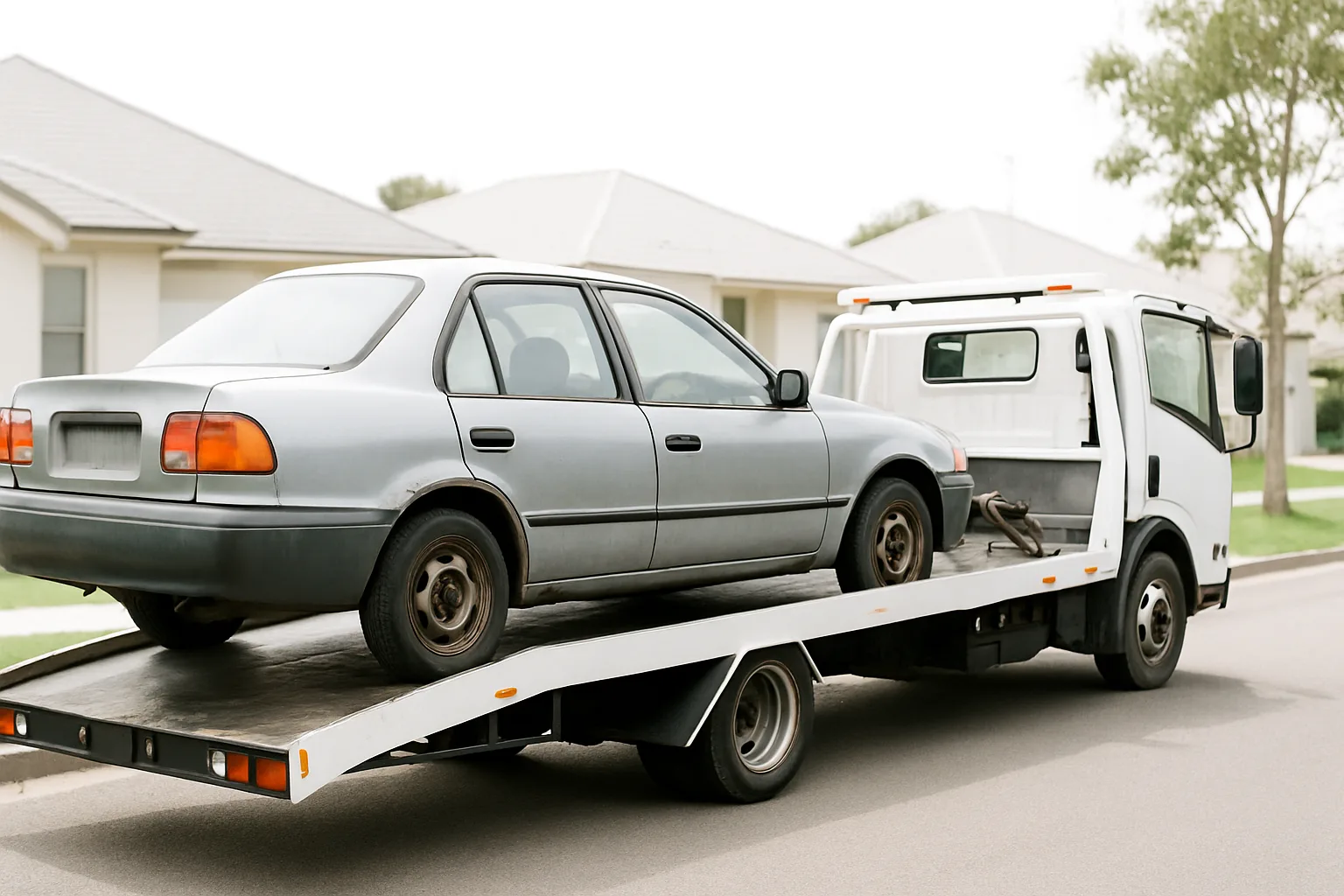
5 Myths About Junk Car Removal That Are Costing Sydney Car Owners Real Money
Most car owners in Sydney, Nova Scotia sit on a dead or unwanted vehicle for months — sometimes years — because they believe something about the process that simply isn't true. Bad information keeps money in the driveway instead of in your pocket. Today we're cutting through the noise and setting the record straight on the most common myths about junk car removal in Canada.
If you've been putting off the decision to get cash for your car in Canada, there's a good chance one of these myths is the reason why. Let's fix that.
Myth #1: You Need a Clean Title to Sell a Scrap Car
This is the myth that stops more people than any other. The assumption is simple: no title, no sale. But that's not how scrap car buying actually works in most of Canada, including Nova Scotia.
Scrap buyers are primarily interested in what your vehicle is made of — steel, aluminum, copper, and components like the catalytic converter. They're not buying it to resell it on a lot. In many cases, a bill of sale, your driver's licence, and proof of ownership through your provincial registration is enough to complete the transaction. Requirements vary by province, so confirm with your buyer — but free junk car removal no title arrangements are far more common than most people realize.
The honest truth: don't let a missing title be the reason you leave money on the table. Call a buyer first and ask what they need. You might be surprised.
Myth #2: Free Scrap Car Pickup Is Too Good to Be True
Skepticism is healthy. But free scrap car pickup Sydney is a real, standard part of how most junk car buyers operate — and the reason makes total sense once you understand the business.
When a buyer quotes you a price for your vehicle, they've already factored in the tow cost. They're not doing you a favour — they're running a business where the math works out. The scrap metal, the catalytic converter, the usable parts — all of it has value that covers the logistics and still leaves profit on the table for both sides.
Here's what actually makes pickup deals go sideways:
- Inaccurate vehicle descriptions. If you say the car is complete and it's missing the engine, expect the offer to change at pickup.
- Remote locations. Some rural areas in Nova Scotia may affect tow costs depending on the buyer.
- Surprise condition issues. Stripped interiors, missing catalytic converters, or flood damage all affect the final number.
Be upfront when you describe your car. The more accurate you are, the smoother the transaction — and the less likely you'll face a last-minute price revision at the curb.
Myth #3: All Junk Car Buyers Pay the Same Price
This is the myth that costs car owners the most money, full stop. The belief that every buyer will offer roughly the same amount pushes people to call one number, accept one offer, and move on. That single-buyer model is exactly the old way of doing things — and it almost always leaves money behind.
Scrap car prices are tied to live commodity markets. Steel, aluminum, copper, and platinum-group metals (the stuff inside your catalytic converter) fluctuate constantly. Different buyers have different processing capabilities, different relationships with end markets, and different margins they're willing to work with. One buyer's "fair offer" is another buyer's starting bid.
This is where platforms like SMASH change the game. Instead of calling one yard and hoping for the best, get competitive bids for your scrap in Canada by putting your vehicle in front of vetted buyers who actually compete for it. Competition can help reveal the real market value of what you're sitting on. More buyers means better price discovery — that's not marketing language, that's just how markets work.
If you want to sell my junk car today and get a fair number, don't start and stop with one phone call.
Myth #4: Catalytic Converters Don't Add Much to the Final Offer
This one is particularly costly to believe — especially right now, in 2026, when catalytic converter values remain a significant driver of scrap vehicle prices across North America.
Your catalytic converter contains palladium, platinum, and rhodium. These are rare, expensive metals. A single cat off a common passenger vehicle can be worth a meaningful portion of the entire vehicle's scrap value, depending on the make, model, and condition. Larger vehicles — SUVs, trucks, diesel equipment — often carry even more valuable cats.
The problem is that most car owners have no idea what their cat is worth. They accept whatever the buyer says at face value. Platforms built around a catalytic converter auction model — like SMASH — exist precisely because there's real, transparent market value in these components that a single buyer quote simply doesn't capture.
Before you sell, know what's under your car. Ask specifically about the catalytic converter value. If a buyer waves it off as "not much," that's a signal worth paying attention to.
Want to understand more about how these components affect your payout? Read car selling tips that break down what buyers actually look at when they price your vehicle.
Myth #5: The Process Takes Forever and Involves Too Much Paperwork
People imagine calls back and forth, waiting for a tow truck that never shows, signing forms they don't understand, and waiting weeks for a cheque. That picture is outdated.
In Sydney and across Nova Scotia, legitimate junk car buyers move fast. Here's what a straightforward transaction actually looks like:
- You describe the vehicle — year, make, model, condition, what's missing.
- You get an offer — often same-day.
- Pickup is scheduled — frequently within 24–72 hours depending on your location.
- Payment happens at pickup — cash or e-transfer is standard.
- You sign a basic release form — this protects you once the vehicle leaves your property.
The paperwork is minimal. The timeline is short. The holdups that do happen are almost always caused by unclear ownership situations or vehicle descriptions that don't match reality. Go in prepared and the process moves quickly.
If you want to sell scrap car in Nova Scotia or anywhere else in Canada without the runaround, the key is working with established buyers who have clear processes — not whoever posted the highest number on a classified ad.
What You Should Actually Do Before You Sell
Now that the myths are out of the way, here's a practical checklist for anyone ready to move forward:
- Locate your registration and any ownership documents. Even if you don't have the title, gather what you do have.
- Note the condition honestly. Is the car running? Is the cat still in place? Are any major components missing?
- Get more than one offer. Single-buyer quotes rarely reflect true market value.
- Ask about the catalytic converter specifically. Know what's being included in the price.
- Confirm pickup details in writing. Date, time, payment method, and final price — get it confirmed before the tow truck arrives.
- Remove your personal items. Sounds obvious. People forget.
When you're ready, get a free car valuation so you know what your vehicle is actually worth before you start taking calls.
The market for scrap vehicles in Canada is real and active. Whether you're in Sydney selling a rusted-out sedan or in a smaller Nova Scotia community with a pickup truck that hasn't moved in two years, there are buyers out there. The goal is making sure you reach enough of them to get a price that reflects what you actually have.
Don't let myths, guesswork, or one low-ball offer be the reason you walk away short. The information exists. The platforms exist. Use them.
If you're ready to move on that vehicle, get a free quote at cashfor-cars.ca — it takes minutes and puts real numbers on the table with no obligation. That's where the process starts.
Frequently Asked Questions
Q: Can I sell my scrap car in Sydney without a title?
In many cases, yes. Nova Scotia buyers typically work with your vehicle registration and a valid government-issued ID as proof of ownership. Requirements can vary, so confirm directly with the buyer before assuming you're out of options. Missing a title is rarely a dealbreaker for scrap transactions.
Q: How much is a scrap car worth in Sydney, Nova Scotia?
Scrap car values depend on the vehicle's weight, metal composition, condition, and current commodity prices — particularly for steel and catalytic converter metals. Prices fluctuate with the market, so always get a current quote rather than relying on numbers you heard months ago. The best way to know your car's real value is to get competing offers.
Q: Is free junk car removal actually free, or are there hidden fees?
Legitimate buyers include towing in the offer — there are no separate pickup fees on your end. The risk isn't hidden fees; it's last-minute offer reductions if the vehicle wasn't described accurately. Be honest about your car's condition upfront and a quoted price should hold at pickup.
Q: How long does it take to sell a scrap car in Nova Scotia?
Most transactions complete within 24–72 hours of accepting an offer. Pickup scheduling depends on your location and the buyer's availability, but the process is generally faster than most people expect. Having your ownership documents ready speeds things up further.
Q: Does my catalytic converter affect how much I get for my scrap car?
Yes — significantly in many cases. Catalytic converters contain platinum-group metals that carry real market value separate from the vehicle's base scrap weight. Ask any buyer specifically what they're valuing the cat at. If they can't give you a straight answer, that's worth noting before you accept the offer.
Stay current on scrap metal markets and industry news by following SMASH on LinkedIn — practical updates for recyclers and sellers across North America.