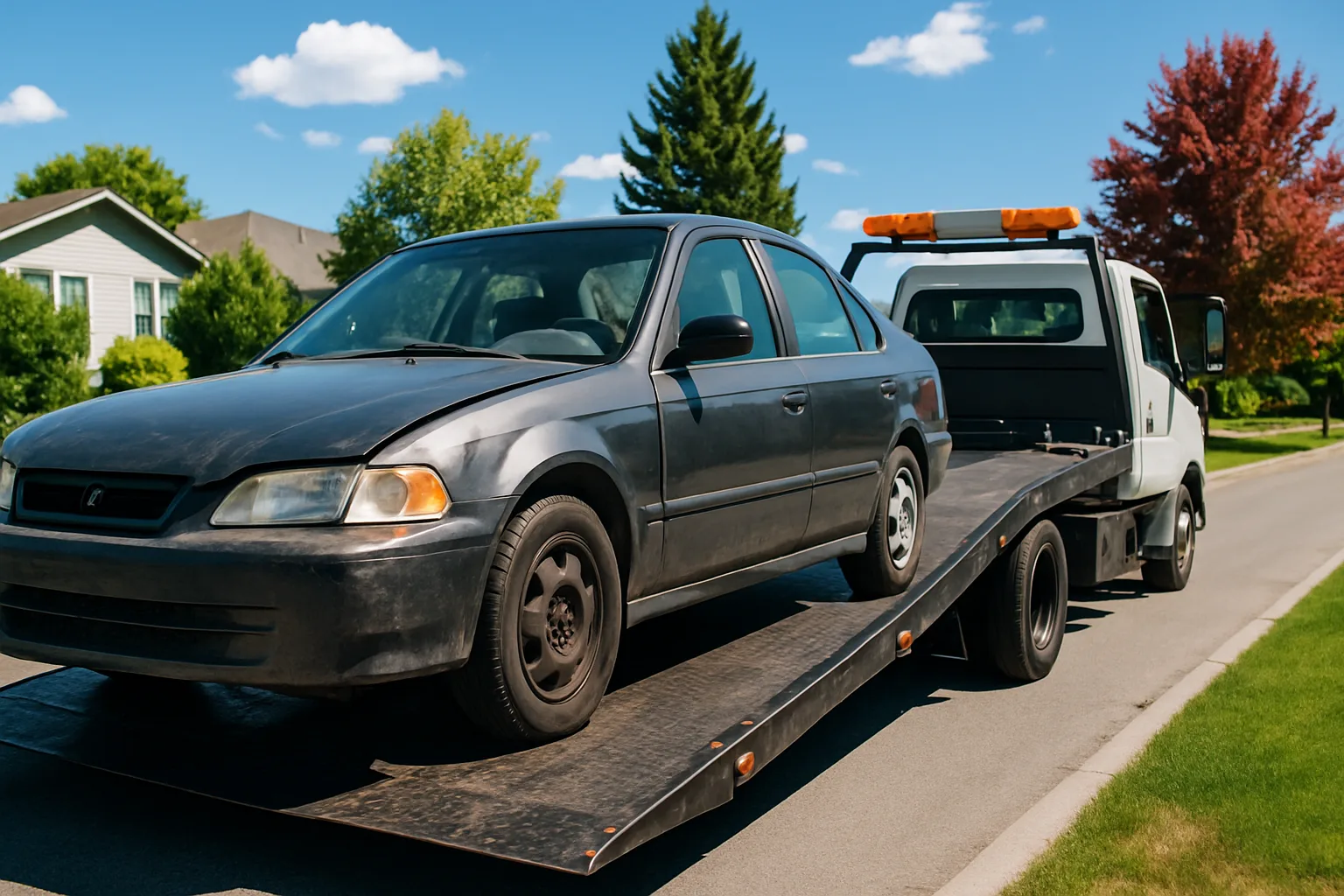
Most people assume scrapping a car is as simple as calling a buyer and handing over the keys. Then the paperwork question comes up — and suddenly it's not so simple. If you're searching for junk car buyers near me Kamloops, knowing exactly what documents you need before you call can save you time, prevent deal-killing delays, and help you get paid faster. Here's everything you need to know, laid out clearly.
Why Paperwork Matters When You Sell a Scrap Car in British Columbia
Scrapping a car isn't just a transaction between two people. It's a regulated process. In British Columbia, transferring ownership of a vehicle — even one headed straight to a shredder — requires proper documentation to protect both the seller and the buyer.
Without the right paperwork, a licensed junk car buyer can legally refuse to complete the purchase. You could also remain on the hook for parking tickets, environmental liabilities, or insurance claims tied to a vehicle you no longer own. Getting your documents in order upfront isn't bureaucracy for its own sake. It protects you.
- Incomplete paperwork delays payout — sometimes by days
- Missing title or ownership documents can void a sale entirely
- Proper transfer releases you from future liability on the vehicle
- Licensed buyers are legally required to verify ownership before paying
The Core Documents You Need to Scrap Your Car
This is the non-negotiable list. Before you contact any cash for cars Kamloops service or national buyer, have these ready. Some documents are mandatory under B.C. regulations. Others simply make the process faster and more straightforward.
1. Vehicle Registration (Proof of Ownership)
This is the most important document in the process. Your vehicle registration, issued by ICBC in British Columbia, establishes that you are the legal owner of the vehicle. Without it, most buyers — especially licensed recyclers — will not proceed with a purchase.
If you've lost your registration, you can apply for a replacement through ICBC before scrapping the vehicle. Don't try to skip this step. A buyer who doesn't ask for proof of ownership is a red flag.
2. Government-Issued Photo ID
You'll need a valid driver's licence, passport, or other government-issued photo ID. This confirms that the person selling the vehicle matches the name on the ownership documents. It's a simple step, but buyers are required to verify identity — especially for vehicles with scrap value.
3. Bill of Sale (Completed Transfer Form)
In British Columbia, you need to complete a Transfer/Tax Form (APV9T) when selling a vehicle — even if it's going to a scrapyard. This document records the sale price, the date of transfer, and the details of both parties. Your buyer should provide this form, but it's smart to know it exists before you show up.
Once signed, submit the plate and the completed form to ICBC. This officially removes the vehicle from your name.
4. Licence Plates
In B.C., licence plates stay with the owner — not the vehicle. When you scrap a car, you remove the plates and either return them to ICBC or transfer them to another vehicle. Never leave your plates on a car you're selling or scrapping. You may still be held responsible for anything that happens to a vehicle bearing your plates.
5. Release of Lien (If Applicable)
If you financed the vehicle and still have an outstanding loan, the lender technically holds an interest in it. You cannot legally sell or scrap a car with an active lien without lender approval or full repayment. Check your vehicle's lien status through ICBC before you start the process. This is a common deal-stopper that catches sellers off guard.
Documents That Help (But Aren't Always Required)
Beyond the mandatory paperwork, there are a few additional documents that can make your sale go more smoothly — and sometimes get you a better offer. Buyers assessing junk car prices per ton or looking at a vehicle's condition for parts value will appreciate any supporting documentation you can provide.
Service Records and Maintenance History
If your vehicle has documented service history, it tells a buyer the car was maintained. For vehicles being sold for parts rather than pure scrap weight, this can influence the offer. It's not required, but it adds credibility to your listing.
Keys (All Sets)
Not a document, but worth mentioning here. Providing all sets of keys — including key fobs — can increase your offer, especially if the vehicle runs or has usable parts. A missing key can affect a buyer's assessment of the car's condition.
Title for Any Aftermarket Parts or Modifications
If you've added significant aftermarket parts — a new engine, a custom transmission, or other major components — documentation proving ownership of those parts can support a higher valuation. Buyers using platforms like SMASH to assess vehicle inventory want verifiable information, not guesses.
What If You Don't Have the Title? Here's What to Do
Losing a vehicle title isn't rare, but it does complicate things. In British Columbia, you can apply for a replacement title or ownership document through ICBC. You'll need proof of identity and possibly additional verification depending on how long the title has been missing.
Some buyers will work with you on a case-by-case basis if you can demonstrate ownership through other means — such as insurance records, previous registration renewals, or a statutory declaration. But the process is slower and not guaranteed. The cleanest path is always to get a replacement title before you start shopping for buyers.
If you inherited a vehicle or are scrapping a car on behalf of a deceased owner, the process involves additional estate documentation. ICBC and a notary public can guide you through this. Don't assume a handshake arrangement will satisfy a licensed recycler — it won't.
Platforms like SMASH, which connect sellers with vetted buyers across North America, rely on proper documentation to protect everyone in the transaction. When you find the best price for your scrap in Canada, you're entering a transparent, documented process — not a back-alley deal. That's the point.
How to Sell a Scrap Car in British Columbia — Step by Step
Once your paperwork is in order, the actual selling process moves quickly. Here's how it typically works when you're ready to sell scrap car in British Columbia through a legitimate buyer or auction platform.
- Gather your documents — registration, photo ID, lien-free status confirmation, and completed transfer form
- Remove your licence plates — return them to ICBC or keep them for your next vehicle
- Get a quote — contact buyers directly or use a platform that creates competition among multiple vetted buyers
- Confirm pickup or drop-off logistics — most buyers in the Kamloops area offer free towing for scrap vehicles
- Complete the transfer — sign the bill of sale, hand over the keys, and receive payment
- Notify ICBC — submit the completed transfer form so the vehicle is officially out of your name
If you want to go further and understand how scrap metal pricing works, or get a better sense of what your vehicle is actually worth by weight and condition, read car selling tips before you commit to a buyer. Knowledge of junk car prices per ton and current market conditions puts you in a stronger negotiating position.
And if you're ready to move, you can get a free car valuation right now. No obligation, no guessing.
What Kamloops Sellers Often Get Wrong
Kamloops has an active market for used and scrap vehicles — the Interior B.C. economy generates a steady stream of older trucks, fleet vehicles, and end-of-life cars. But local sellers make the same avoidable mistakes over and over.
Leaving plates on the vehicle. As mentioned, your plates follow you — not the car. Sellers who forget this can end up responsible for tolls, fines, or worse tied to a vehicle they no longer own.
Not cancelling insurance before the sale closes. Once the vehicle transfers, cancel your ICBC coverage for that vehicle. You may be owed a refund on unused premium.
Accepting a verbal quote with no documentation. Any serious buyer will put an offer in writing. If someone is pushing you to hand over the car with nothing on paper, walk away. Legitimate Kamloops scrap metal services work with documented transactions, not handshake deals.
Not shopping around. One buyer, one phone call, one price — that's the old way. Competition reveals the market. Using a scrap metal auction platform to get multiple offers on your vehicle is a smarter approach. SMASH exists precisely for this reason: to replace the guesswork with real buyer competition and transparent pricing.
If you're ready to get cash for your car in Canada, start with the right paperwork — then let the market work for you.
Frequently Asked Questions
Q: Can I scrap a car without a title in Kamloops?
It's difficult but not always impossible. Most licensed buyers in British Columbia require proof of ownership before completing a purchase. If you've lost your title, apply for a replacement through ICBC before approaching buyers. Some will consider alternative proof of ownership, but this varies by buyer and slows the process down significantly.
Q: How do junk car buyers near me in Kamloops determine what my car is worth?
Buyers typically assess the vehicle's weight, the current price of scrap steel, the condition and usability of major parts (engine, transmission, catalytic converter), and the completeness of the vehicle. Market conditions fluctuate, so the quote you get today may differ from one you receive next week. Always confirm pricing before committing.
Q: Do I need to drain fluids before scrapping my car in British Columbia?
Most licensed recyclers handle fluid removal as part of their de-pollution process, which is required by B.C. environmental regulations. You generally don't need to drain the car yourself. Confirm this with your buyer before drop-off or pickup to avoid any misunderstanding.
Q: What happens to my ICBC insurance when I scrap my car?
Once the vehicle is sold and the transfer form is submitted to ICBC, you should cancel the insurance on that vehicle. Depending on when in your policy term you cancel, you may receive a partial refund on unused premiums. Contact ICBC directly after the sale to complete this step.
Q: How quickly can I get paid when I sell my scrap car in Kamloops?
With documents in order, most transactions complete within one to three business days. Some buyers offer same-day payment upon pickup. Delays almost always come from missing paperwork — which is why having everything ready before you call makes a real difference.
---Getting rid of an unwanted car shouldn't take weeks of back-and-forth. With the right documents in hand and the right buyer on the line, the process is fast, clean, and straightforward. If you're ready to move, get cash for your car in Canada — get a free quote at cashfor-cars.ca and see what your vehicle is actually worth today.
For ongoing scrap metal market insights and industry updates, follow SMASH on LinkedIn — it's worth knowing what the market is doing before you sell.