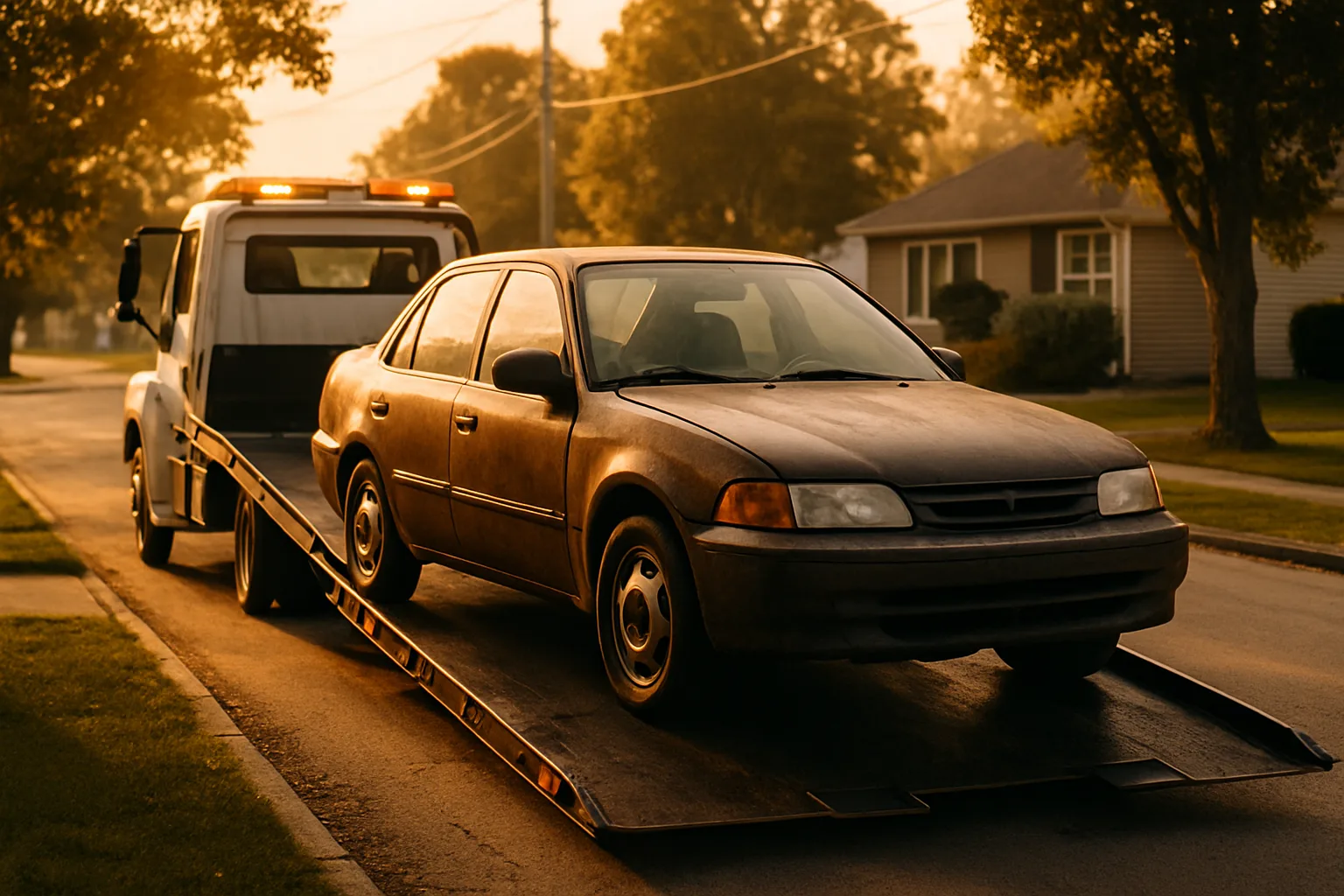
Your old car sitting in the driveway isn't worth the same in January as it is in April. That surprises most people — but scrap car prices move with the calendar more than most sellers realize. If you're thinking about scrap car removal in Charlottetown, understanding the seasonal rhythm of the scrap market could mean the difference between leaving money on the table and walking away satisfied.
This isn't guesswork. Scrap metal markets respond to real economic forces — demand from steel mills, shipping logistics, winter road conditions, and the flood of vehicles that hit the market every spring. Knowing when those forces work in your favour gives you an edge. Let's break it down.
---Why Scrap Car Prices Don't Stay Flat Year-Round
Scrap metal is a commodity. Like grain or lumber, it reacts to supply and demand shifts that change with the season. Steel mills ramp up production at certain points in the year. Recycling yards adjust what they're willing to pay based on how much inventory they're carrying. And the number of cars coming off the road spikes at predictable times.
On Prince Edward Island and across Atlantic Canada, those patterns are amplified by geography. Island roads are hard on vehicles. Salt, freeze-thaw cycles, and muddy spring conditions chew through frames and undercarriages faster than in milder climates. That means more end-of-life vehicles entering the market — and prices that reflect local supply levels.
The key factors that move scrap car prices through the year include:
- Steel mill demand cycles — mills buy more scrap when construction and manufacturing activity picks up, typically in late winter through spring
- Yard inventory levels — when yards are full, they pay less; when they need material, they compete harder for it
- Seasonal vehicle supply — spring cleaning floods the market with cars, which can soften prices briefly before demand catches up
- Shipping and logistics — ice-affected ports and road weight restrictions after spring thaw affect how quickly metal moves
- Fuel prices — towing and transport costs affect what yards can afford to pay at the gate
Platforms like the SMASH Recycling auction platform give sellers visibility into real buyer competition across the market — so you're not just accepting whatever the local yard tells you the price is today.
---The Winter Slowdown: What It Means for Junk Car Buyers Near Me in Charlottetown
December through February is typically the slowest period for scrap car movement. Roads in Charlottetown get icy. Towing is harder and more expensive. Some yards reduce their buying activity because they're managing yard space and can't move metal as efficiently when the ground is frozen solid.
That slowdown tends to compress prices. Buyers have less competition. If you call one local yard and accept the first number they offer, you may be selling at the seasonal low without realizing it. That's the old way of doing things — one phone call, one number, take it or leave it.
That said, winter isn't always a bad time to sell. If steel demand is strong heading into a construction season, mills sometimes push yards to accumulate inventory earlier. In those years, winter prices hold better than expected. The point isn't to avoid selling in winter — it's to know what the market is actually doing, not just assume.
Signs winter might still be a decent time to sell your scrap car:
- Steel prices are trending upward heading into Q1
- Your vehicle has high-value non-ferrous components (copper wiring, aluminum wheels, a catalytic converter with strong core value)
- You have documentation ready — title, VIN, photos — so buyers can move fast without delays
- You're using a platform that creates buyer competition rather than accepting a single local offer
Spring: The Season When Scrap Car Prices in Canada Start Moving
March through May is historically the most active period for scrap car sales across Canada. Construction picks up. Steel mills are hungry for feedstock. Yards start clearing winter inventory and actively competing for vehicles. For sellers, more competition from buyers almost always means better price discovery.
In Charlottetown and across Prince Edward Island, spring also brings out the cars that survived one too many winters. Rust becomes undeniable. Registration renewals come due. People start clearing their properties. The result is a surge of vehicles coming to market — which can briefly soften prices if supply outpaces demand.
The smart move in spring: don't just call one junk car buyer near you in Charlottetown and take their first number. Spring is exactly when buyer competition is highest. Use that to your advantage. When multiple vetted buyers are bidding on your vehicle, you get a real sense of what it's worth — not just what one yard wants to pay.
To get cash for your car in Canada at the best seasonal rate, timing your sale to coincide with strong mill demand in early-to-mid spring gives you the best conditions. But preparation matters just as much as timing.
---Summer and Fall: Steady Demand, Strategic Opportunities
Summer tends to bring stable scrap prices. Construction is in full swing. Demand is consistent. It's not usually the peak of the year, but it's a solid window — especially if you have a vehicle with valuable parts like a strong catalytic converter or clean non-ferrous metals.
Fall is when experienced sellers pay close attention. September and October can be strong months as mills look to build inventory before the winter slowdown. Yards get competitive again. If you've been sitting on a junk car all summer, fall is often a smart exit window before prices ease off in November.
One thing that doesn't change with the season: documentation. Whether it's July or January, buyers want a clean paper trail. That means:
- Vehicle title or proof of ownership
- Accurate VIN for the vehicle
- Clear photos showing condition — panels, undercarriage, interior
- List of known issues (don't hide them; it slows the process and damages trust)
SMASH-connected buyers expect documented inventory. When your vehicle comes with clear information and photos, buyers can bid with confidence — and confident buyers bid higher. Read car selling tips to make sure your car is positioned properly before you list it.
---How Island Road Conditions Make Prince Edward Island a Unique Scrap Market
Charlottetown isn't Toronto. The Island market operates differently. You're dealing with a smaller pool of local buyers, tighter logistics, and vehicles that have absorbed serious salt and moisture damage year after year. That affects value — but it doesn't mean you have to accept a lowball offer because "that's just what Island cars go for."
The reality is that even a heavily rusted vehicle has value. Steel scrap is steel scrap. Catalytic converter cores still carry precious metal content regardless of what the body looks like. Aluminum wheels, copper wiring, and functional engine components all have independent value streams.
The mistake Island sellers make is assuming their only option is the nearest yard. With connected platforms, a seller in Charlottetown can surface their vehicle to vetted buyers across a wider geography — buyers who may need exactly what that car provides. That's where tools like SMASH create real advantage: more buyers, real competition, transparent pricing instead of a single take-it-or-leave-it call.
If you want to get a free car valuation and understand what your vehicle is actually worth in the current market, don't rely on one number from one source. Get the market to tell you.
---Timing Your Sale: Practical Advice for Charlottetown Car Sellers
You don't need to be a commodity trader to time your scrap car sale well. A few simple habits put you ahead of most sellers.
- Watch steel price trends in the 30-60 days before you sell. Free market trackers are available online. A rising trend usually means yards are paying more at the gate.
- Avoid selling the week after a major spring thaw when every yard in the region suddenly has more cars than they can process.
- Get your documentation in order before you list. Sellers who can move fast when a buyer is ready get better outcomes than sellers who take two weeks to find their title.
- Don't accept the first offer without knowing the market. One phone call is not price discovery. Competition is price discovery.
- Factor in non-ferrous value separately. If your car has a catalytic converter, copper wiring, or aluminum components, make sure that's reflected in any offer you receive — not bundled into a flat per-tonne price that benefits the yard more than you.
The seasonal patterns are real, but preparation and buyer access matter just as much as the calendar. A well-documented vehicle sold through a competitive process in a "slow" month often beats a poorly documented vehicle sold in peak season to a single buyer.
If you're ready to stop guessing and start getting actual market offers for your car, the process is simpler than most people think. Get your paperwork together, take clear photos, and let buyers compete. That's how you get cash for your car in Canada without leaving money behind.
---Frequently Asked Questions
Q: When is the best time of year to sell a scrap car in Charlottetown?
Late winter through early spring — roughly February to April — tends to be the strongest window as steel mill demand picks up ahead of construction season. Fall (September–October) is another solid window before the market slows for winter. That said, market conditions vary year to year, so checking current scrap prices before you sell matters more than following a rigid calendar.
Q: Does road salt damage affect what I get for my scrap car on Prince Edward Island?
It can affect the condition of body panels and undercarriage, which matters if a buyer is looking for usable parts. But the steel scrap value itself is relatively stable — rust doesn't eliminate value, it just changes where the value sits. Non-ferrous components like catalytic converters and aluminum wheels hold their value regardless of body condition.
Q: How do I find junk car buyers near me in Charlottetown?
Beyond calling local yards, connected platforms like SMASH give you access to vetted buyers across a wider network — which means more competition for your vehicle. More buyers bidding means better price discovery than a single local quote. Start by getting a valuation at cashfor-cars.ca and go from there.
Q: Do I need the title to sell my scrap car in Charlottetown?
Proof of ownership is required in most cases to complete a legal sale. If you've lost your title, you can apply for a replacement through Access PEI before selling. Having your paperwork ready speeds up the process and makes your vehicle more attractive to buyers who want to move quickly.
Q: How long does scrap car removal in Charlottetown typically take?
Once you have an offer accepted and paperwork confirmed, most pickups happen within one to three business days depending on the buyer's schedule and your location on the Island. Having your title, a clear VIN, and photos ready before you list helps remove the common delays that slow things down.
---Scrap metal prices fluctuate based on market conditions. Always check current rates before finalizing any sale decision.
Ready to stop wondering what your car is worth and start finding out? Head to cashfor-cars.ca for a free quote — no pressure, no runaround. The market moves. Get your number before the season shifts again.
Stay current on scrap metal market trends and industry updates by following SMASH on LinkedIn. It's where the industry pays attention — and where smart sellers stay informed.