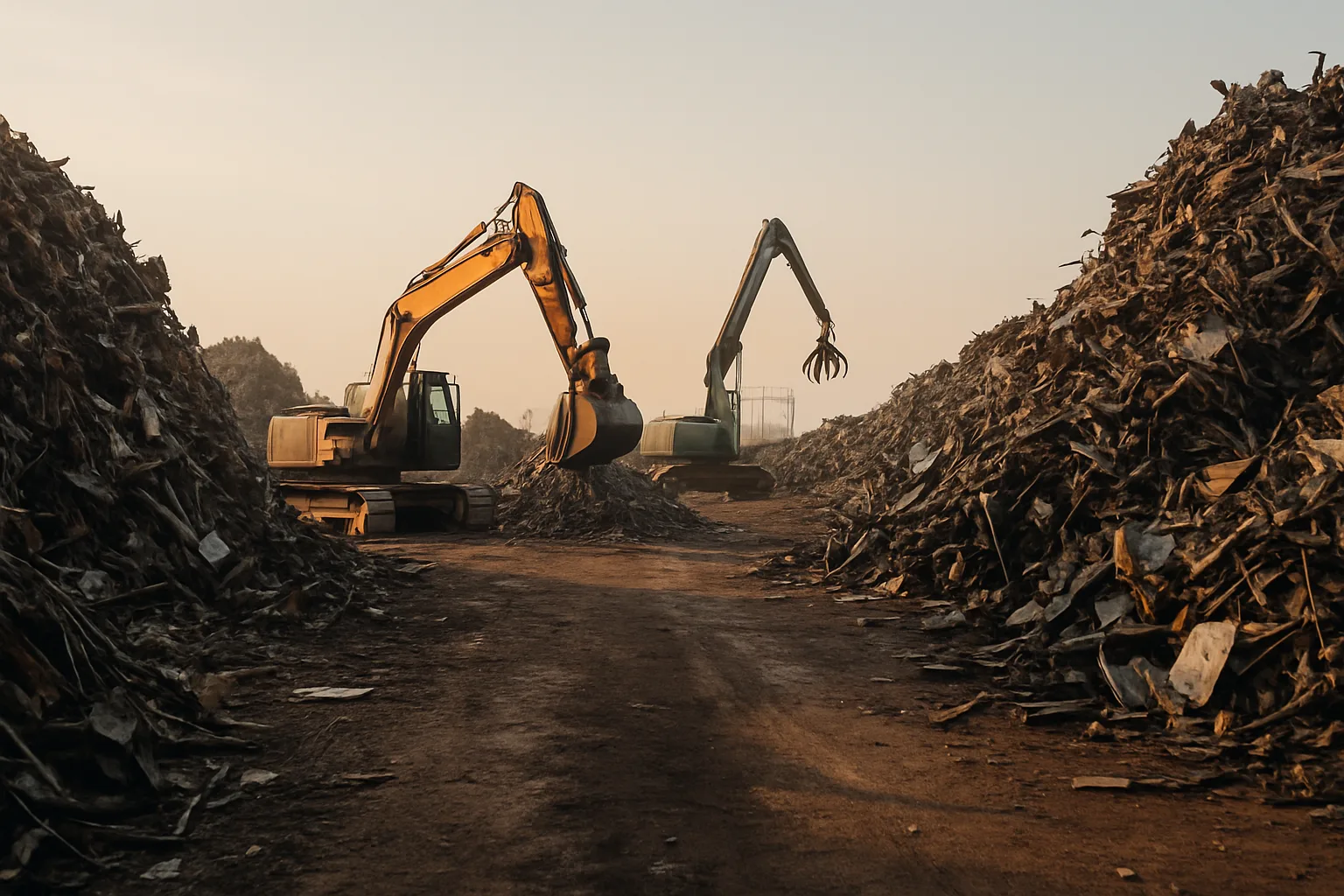
Why the Calendar Affects What You Get Paid for Your Scrap Car
Most people assume scrap car prices are fixed — like a sticker on a shelf. They're not. The month you sell, the season you're in, and even the weather rolling through Alberta can shift what a buyer is willing to pay. If you're trying to sell my car for cash Lethbridge, timing isn't everything — but it's more than you think.
This isn't filler advice. Scrap metal markets move with real supply and demand forces, and those forces are seasonal. Understanding the patterns helps you make a smarter decision — whether you're sitting on a dead Honda in your driveway or a fleet of worn-out trucks taking up yard space.
How Seasons Drive Scrap Metal Demand — and What It Means for Your Car
The scrap metal market doesn't operate in a vacuum. Steel mills, foundries, and metal processors are the end buyers of the material pulled from your old vehicle. When they ramp up production, demand for scrap rises. When they slow down, so do prices.
Here's how the seasons typically shake out:
- Spring (March–May): Construction season kicks off across North America. Steel demand picks up. Scrap yards get busier. This is often one of the stronger windows to get cash for your car in Canada.
- Summer (June–August): Demand stays relatively steady. More vehicles come off the road after long winters, increasing supply — which can soften prices slightly in some markets.
- Fall (September–November): Another solid window. Processors stock up before winter slowdowns. Buyers are motivated.
- Winter (December–February): Activity slows. Yards deal with frozen ground, reduced hauling capacity, and lower processor demand. Prices can dip. It's not impossible to sell — but it's often not the peak window.
None of this is a guarantee. Markets shift. But if you have flexibility on timing, these patterns are worth knowing before you make the call.
The Lethbridge Factor: Prairie Weather Hits Differently
If you're in Lethbridge, you already know the weather here doesn't follow a clean calendar. Chinook winds can turn January into something almost livable, then a cold snap swings back hard. That variability has real implications for scrap car buyers and sellers in the region.
When roads are icy or a blizzard rolls through southern Alberta, tow trucks don't move as freely. Yards may pause pickups or reduce their operating radius. Logistics slow down — and that can delay your sale or affect the offer you receive. Spring and fall tend to be the smoothest windows for vehicle removal in this part of the province, simply because access is better and haulers can move efficiently.
There's also the road salt issue. Lethbridge winters mean salted roads. A car that's spent multiple winters in this climate may show significant undercarriage corrosion. That affects the vehicle's parts value — and buyers know it. A 2014 Chevy Equinox from Lethbridge may carry more rust than the same vehicle from a drier climate. This is factored into offers, especially when parts recovery (not just scrap weight) drives the valuation.
Platforms like the SMASH Recycling auction platform help expose that vehicle to multiple vetted buyers — so the market, not a single buyer's gut call, determines what it's worth. That's a meaningful difference when you're trying to understand how much is my salvage car worth in real-time conditions.
5 Seasonal Factors That Directly Affect Scrap Car Prices
Let's get specific. Here are the five biggest seasonal variables that move scrap car valuations — and why each one matters if you're trying to sell my junk car Lethbridge or anywhere across Canada.
- Steel Scrap Prices: The backbone of any scrap car's value is the steel in its body. Steel prices fluctuate monthly based on global production, tariffs, and regional demand. Spring construction surges typically lift prices. Winter slowdowns typically compress them. Check current rates — don't assume last season's number applies today.
- Catalytic Converter Values: Cats are non-ferrous and priced on precious metal markets (platinum, palladium, rhodium). These markets move independently from steel. A seasonal dip in steel doesn't necessarily mean your cat loses value — but precious metal markets have their own volatility. SMASH's inventory tools include VIN lookup and serial tracking specifically to help document and value cats accurately.
- Fuel Prices and Hauling Costs: When diesel prices spike — often in spring or late summer — tow operators and haulers absorb higher costs. Some of that gets passed back in the form of lower net offers. When fuel is cheaper, haulers are more flexible. It's a real factor, even if it rarely gets discussed upfront.
- Parts Demand: If your car still has sellable parts — engine, transmission, doors, glass — demand for those parts tends to rise in winter. People fix beaters to get through cold months rather than buying new. A vehicle with good recoverable parts in November may get a better offer than the same car in July.
- Buyer Inventory and Yard Capacity: Yards fill up. When a buyer's lot is packed after a busy summer, they're less motivated to acquire more vehicles — even if the market is otherwise healthy. Conversely, a buyer sitting on empty space in early spring wants inventory. Supply and demand applies to yard space too.
How to Use Seasonal Timing to Get a Better Offer
You're not a commodities trader. You don't need to obsess over monthly scrap indices. But a few practical moves can help you get a free car valuation that reflects the market, not just the first number someone throws at you.
Don't rush if you have time. If the car is sitting on your property and isn't a safety hazard or a bylaw problem, waiting for a stronger seasonal window has real upside. Spring and fall are historically more active. If it's January and prices feel low, it may be worth holding a few weeks.
Get multiple offers before you commit. One buyer gives you one data point. That's not a market — that's a guess. A competitive auction process, like what SMASH facilitates through its B2B scrap metal marketplace model, puts your vehicle in front of vetted buyers who are competing for the load. Competition can help reveal the market. That's not hype — that's how price discovery works.
Document the vehicle properly. Seasonal buyers — especially those factoring in parts value — respond to good documentation. Photos of the interior, engine bay, undercarriage, and any intact components tell a cleaner story than "it runs but it's rough." Documented inventory gives buyers more confidence. More confidence often means stronger offers.
Understand what's driving your car's value. Is it the steel weight? The catalytic converter? The engine? Each of those components responds to different market forces — and different seasonal rhythms. Knowing which one is your biggest asset helps you time the sale more intelligently. If you want to read car selling tips that go deeper on vehicle valuation, the cashfor-cars.ca blog has practical guides.
What About Cross-Border Price Differences?
You'll occasionally see references to markets like junk car prices Wisconsin or other U.S. states when researching what your vehicle is worth. Cross-border comparisons can be interesting context, but they're not apples-to-apples. Currency exchange, different regulatory environments, and regional buyer pools all affect what you'd see in a U.S. market versus what a Lethbridge seller actually receives.
What matters is what vetted buyers in your actual market are willing to pay — today, in your region. Platforms that connect Canadian sellers to real, active buyers across the country give you better signal than a number from a different country or a price guide from six months ago. SMASH operates across North America, but the offers you receive reflect your actual market conditions — not a generalized estimate.
If you're in southern Alberta and want to understand the local landscape better, exploring Lethbridge scrap metal services gives you a clearer picture of what buyers in this specific market are actively looking for.
The Bottom Line: Timing Matters, But Waiting Isn't Always the Answer
Seasonal patterns are real. Weather affects logistics. Metal markets move. All of that is true — and worth knowing. But here's the counterpoint: a car sitting in your driveway depreciates. It accumulates weather damage. Tires go flat. Rodents nest in the engine bay. Every season it sits is a season it's losing value, not gaining it.
The best time to sell is when you're ready — armed with the right information, connected to the right buyers, and not locked into accepting the first offer that comes in. That's what a transparent, competitive process delivers. SMASH connects sellers with vetted buyers who compete for loads, so you're not guessing what your car is worth — you're finding out.
If your car is sitting in Lethbridge, Calgary, Edmonton, or anywhere across Canada, don't leave money on the table by calling one number and taking one offer. Get cash for your car in Canada — get a free quote at cashfor-cars.ca and see what your vehicle is actually worth in today's market.
Disclaimer: Scrap metal and vehicle prices fluctuate based on market conditions, metal indices, and regional buyer demand. Always check current rates before making a selling decision.
Frequently Asked Questions
Q: What time of year is best to sell my car for cash in Lethbridge?
Spring (March to May) and fall (September to November) are generally stronger windows for scrap car sales in Lethbridge. Construction activity drives steel demand in spring, and fall buyers often stock up before winter slowdowns. That said, individual vehicle factors — parts value, condition, metal content — matter as much as timing.
Q: Does cold weather in Alberta affect what I get paid for my junk car?
Yes, it can. Winter conditions affect hauling logistics, yard operations, and buyer activity across Alberta. Frozen ground and icy roads slow pickups. Buyer appetite tends to dip in deep winter. If your car has recoverable parts, winter demand for those parts can offset some of that — but spring and fall remain the more active selling seasons for most sellers.
Q: How do I know how much my salvage car is worth?
Your car's value depends on its steel weight, non-ferrous components (like catalytic converters), recoverable parts, make and model, and current metal market prices. The best way to find out is to get offers from multiple buyers — not just one. Platforms like SMASH connect you to vetted buyers who compete, which gives you real price discovery instead of a single estimate.
Q: Can I sell my junk car in Lethbridge if it doesn't run?
Absolutely. Non-running vehicles are sold for cash regularly. Buyers are primarily interested in the metal content and parts — not whether the car starts. You'll need to provide basic details about the vehicle's condition, year, make, model, and location so buyers can factor in hauling costs and make an accurate offer.
Q: Are scrap car prices in Canada different from U.S. markets?
Yes. Currency exchange rates, regional buyer pools, and different regulatory environments mean Canadian scrap car prices don't directly mirror U.S. figures. If you see references to markets like junk car prices in other states, treat them as general context — not a reliable benchmark for what you'll receive from a Canadian buyer in Alberta.
Stay current on scrap metal market trends and industry insights — follow SMASH on LinkedIn for regular updates that matter to yards, sellers, and buyers across North America.