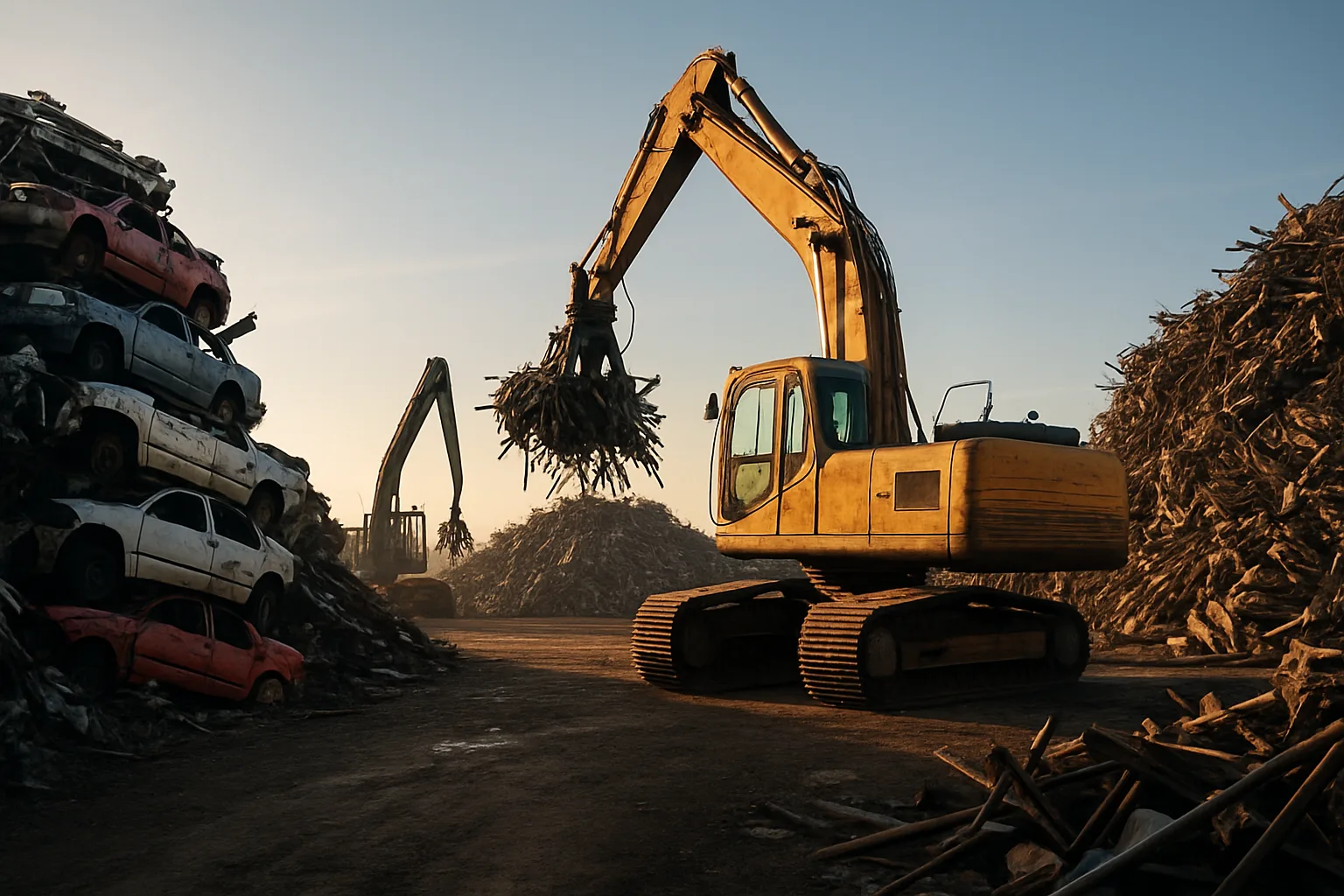
Eco-Friendly Car Disposal Is No Longer Optional — Here's What Etobicoke Drivers Need to Know in 2026
Most people don't think twice about what happens to a car after it leaves their driveway. They call someone, hand over the keys, and that's it. But in 2026, that "that's it" matters more than ever. Environmental regulations around vehicle disposal have tightened across Ontario — and if you're sitting on an old junk car in Etobicoke, understanding the process protects both your wallet and the environment.
The good news? Selling responsibly doesn't mean leaving money on the table. When you work with the right buyers, we buy junk cars Etobicoke isn't just a service — it's a full recycling pipeline that recovers valuable materials, keeps hazardous fluids out of the ground, and puts real cash in your hands.
Why Eco-Friendly Car Disposal Has Become a Bigger Deal in Ontario
Ontario's environmental enforcement around end-of-life vehicles has continued to evolve through 2026. The province has long required that auto recyclers handle fluids — engine oil, coolant, brake fluid, refrigerants — under strict guidelines to prevent soil and groundwater contamination. But enforcement is sharper now, and buyers who cut corners are easier to identify and shut down.
What does that mean for you as a seller? It means choosing a junk car buyer who follows the rules isn't just an ethical call — it's a practical one. A legitimate operation depollutes the vehicle before it's crushed or shredded, meaning:
- Oils and fluids are drained and disposed of through approved channels
- Refrigerants are recovered — not vented — by certified technicians
- Mercury switches and lead components are removed before shredding
- Tires are diverted to proper tire stewardship programs
- Batteries go to dedicated lead-acid recycling streams
An illegitimate scrap operation skips most of this. You might get a slightly higher quote on the phone, but you're enabling a process that pollutes, and in some cases, exposes you to liability if the vehicle is improperly disposed of in your name.
What Actually Happens to Your Scrap Car After Pickup
Here's what a responsible scrap car removal process looks like from start to finish — and why it matters that your buyer follows it.
Once a vehicle is picked up, it goes through a structured depollution phase. Every recoverable fluid is extracted. Then the car gets assessed for reusable parts — engines with life left, doors, hoods, mirrors, seats — that get pulled and resold before the shell moves to the shredder. This parts-recovery step is where a significant chunk of the vehicle's value gets realized, and it's one reason why get a free car valuation before you agree to anything is such a smart move. The right buyer accounts for these parts — a lazy buyer doesn't.
After parts extraction, the remaining steel and other metals go into the shredding and separation process. Modern shredders separate ferrous metal (steel and iron) from non-ferrous metals like aluminum, copper, and the platinum group metals found in catalytic converters. The ferrous fraction feeds directly into steel mills. The non-ferrous fraction gets sorted further — and this is where auction-based platforms like the SMASH Recycling auction platform create real value, because competitive bidding on sorted non-ferrous loads consistently produces better price discovery than a single-buyer negotiation.
The plastics and rubber that can't be recycled go to waste-to-energy streams where available, or to landfill — the unavoidable fraction. But in a well-run operation, that fraction is surprisingly small.
How Much Is the Average Scrap Car Worth in 2026?
This is the question everyone asks first — and the honest answer is: it depends on several variables. If you've been googling how much is the average scrap car worth, here's a realistic framework.
The bulk of a scrap car's value comes from its weight in steel. A typical passenger car weighs between 1,200 and 1,800 kilograms. The steel content represents roughly 65–70% of that weight. Scrap steel prices fluctuate based on global demand, and 2026 has seen moderate volatility tied to North American manufacturing cycles — so the number you heard six months ago may not be the number today.
Beyond steel, here's what else adds value:
- Catalytic converter: Often the single most valuable component on an older vehicle. The platinum, palladium, and rhodium inside can be worth anywhere from modest amounts to several hundred dollars depending on the vehicle and current PGM prices. If you want to sell catalytic converters online separately, platforms like SMASH give you competitive access to vetted buyers rather than taking whatever a single yard offers.
- Aluminum wheels and engine block: Non-ferrous metals command higher per-kilogram pricing than steel
- Copper wiring harness: Stripped copper is worth recovering on larger vehicles
- Battery: Lead-acid batteries have a consistent recovery market
- Condition and completeness: A complete car with all its parts is worth more than one that's been stripped
One thing to keep in mind: any quote you receive is only as good as the buyer's transparency. A buyer who won't explain how they're pricing your car is a buyer who's probably not giving you full value. Disclaimer: Metal prices fluctuate daily. Check current rates before accepting any offer.
Scrap Car Removal in Etobicoke — What to Expect from the Process
If you're in Etobicoke and you've got a car that's reached the end of its road, the process should be straightforward. Here's what a proper scrap car removal Etobicoke experience looks like when you're dealing with a reputable buyer.
Step 1: Get your valuation. Provide the year, make, model, approximate weight, and condition. A good buyer will ask about the catalytic converter, whether it runs, and whether it's complete. Be honest — a missing cat or stripped interior affects the offer.
Step 2: Confirm pickup logistics. Most reputable junk car buyers near me in the greater Toronto area — including Etobicoke — offer same-day or next-day tow service. You don't need the car to run. You just need to be present to sign the title transfer.
Step 3: Title and ownership transfer. In Ontario, you'll need to provide the vehicle ownership document (the pink slip). The buyer handles the rest of the deregistration process. Don't skip this step — a vehicle registered in your name that gets improperly disposed of is a problem you don't want.
Step 4: Get paid. Payment on pickup is standard. Cash, e-transfer, or certified cheque — confirm the method before the tow truck shows up.
The entire process, from first quote to cash in hand, can happen in under 24 hours for most vehicles. If you get cash for your car in Canada through a platform that connects you to multiple buyers, you're more likely to see competitive offers rather than a take-it-or-leave-it number from a single yard.
Why Competition Changes What You Get for Your Junk Car
Here's where the old way of selling a scrap car breaks down. You call one yard. They give you a number. You have no idea if it's fair. You either take it or you spend the next two days calling around — which most people don't do.
That's the gap that SMASH was built to close. The SMASH Recycling auction platform connects sellers — including recyclers, yards, and private sellers with qualifying loads — to a vetted network of buyers competing for the same material. When buyers compete, price discovery improves. You're not guessing anymore.
For sellers dealing with cash for cars Ontario transactions at scale — fleets, multi-vehicle estates, yard overflow — the difference between one buyer and multiple competing buyers can be significant. Even for a single vehicle with a valuable catalytic converter, having documented specs and competitive bidding changes the conversation.
You can also read car selling tips to understand what documentation helps you get better offers and how to avoid common mistakes sellers make when pricing their vehicles.
The Environmental Case for Selling Through Responsible Channels
Steel is one of the most recycled materials on the planet, and end-of-life vehicles are a major source of recovered steel in North America. Getting your scrap car into a legitimate recycling stream — rather than letting it sit in a driveway leaking fluids, or handing it to an unvetted buyer who cuts environmental corners — has a measurable impact.
Every tonne of recycled steel displaces roughly 1.4 tonnes of iron ore extraction and significantly reduces the energy required to produce new steel. The aluminum, copper, and platinum group metals in your vehicle don't need to be mined again if they're properly recovered. For Etobicoke residents and Ontario drivers broadly, choosing responsible disposal is a direct contribution to that cycle — and it doesn't cost you anything extra when you're already getting paid fair market value.
The bottom line: the eco-friendly path and the financially smart path are the same path. You just need the right buyer.
Frequently Asked Questions
Q: How do I find reputable junk car buyers near me in Etobicoke?
Look for buyers who ask detailed questions about your vehicle before quoting — year, make, model, condition, and whether the catalytic converter is intact. A buyer who quotes without asking is guessing or low-balling. Platforms that connect you to multiple vetted buyers, like SMASH, give you more pricing transparency than a single cold call to a local yard.
Q: Do I need my ownership documents to sell a scrap car in Ontario?
Yes. In Ontario, you need the vehicle ownership (the pink slip) to legally transfer the car. The buyer handles deregistration, but you must be present to sign over ownership. Don't let anyone take your car without completing this step — a vehicle in your name is your legal responsibility until the transfer is complete.
Q: How much is the average scrap car worth in Etobicoke right now?
It varies based on weight, steel content, the condition of the catalytic converter, and current metal prices. A typical passenger car in 2026 can range from a modest payout to several hundred dollars or more depending on these factors. Prices fluctuate — get a current quote rather than relying on numbers you've seen online. Always check current rates before accepting an offer.
Q: Can I sell my catalytic converter separately before scrapping the car?
You can, and sometimes it makes sense to — especially if your cat is from a higher-value vehicle. Platforms that let you sell catalytic converters online to vetted buyers typically produce better results than selling to a single local yard with no competition. Just ensure the removal is done properly and you're selling to a legitimate buyer with documented transactions.
Q: What happens to the fluids in my scrap car during eco-friendly disposal?
A legitimate recycler depollutes the vehicle before any crushing or shredding. This means draining engine oil, coolant, brake fluid, and power steering fluid, and recovering refrigerants using certified equipment. These fluids go to approved disposal or reclamation streams — they're not drained into the ground. If a buyer doesn't mention depollution, ask about it directly.
If your car has been sitting too long and it's time to do something about it, the process is simpler than most people expect. Get an honest valuation, work with buyers who can explain their pricing, and make sure your vehicle ends up in a legitimate recycling stream. Ready to move? Get cash for your car in Canada — a free quote at cashfor-cars.ca takes minutes and puts real numbers in front of you without the runaround.
Stay ahead of scrap metal market shifts and industry updates — follow SMASH on LinkedIn for ongoing insights from the recycling and scrap metal industry across North America.