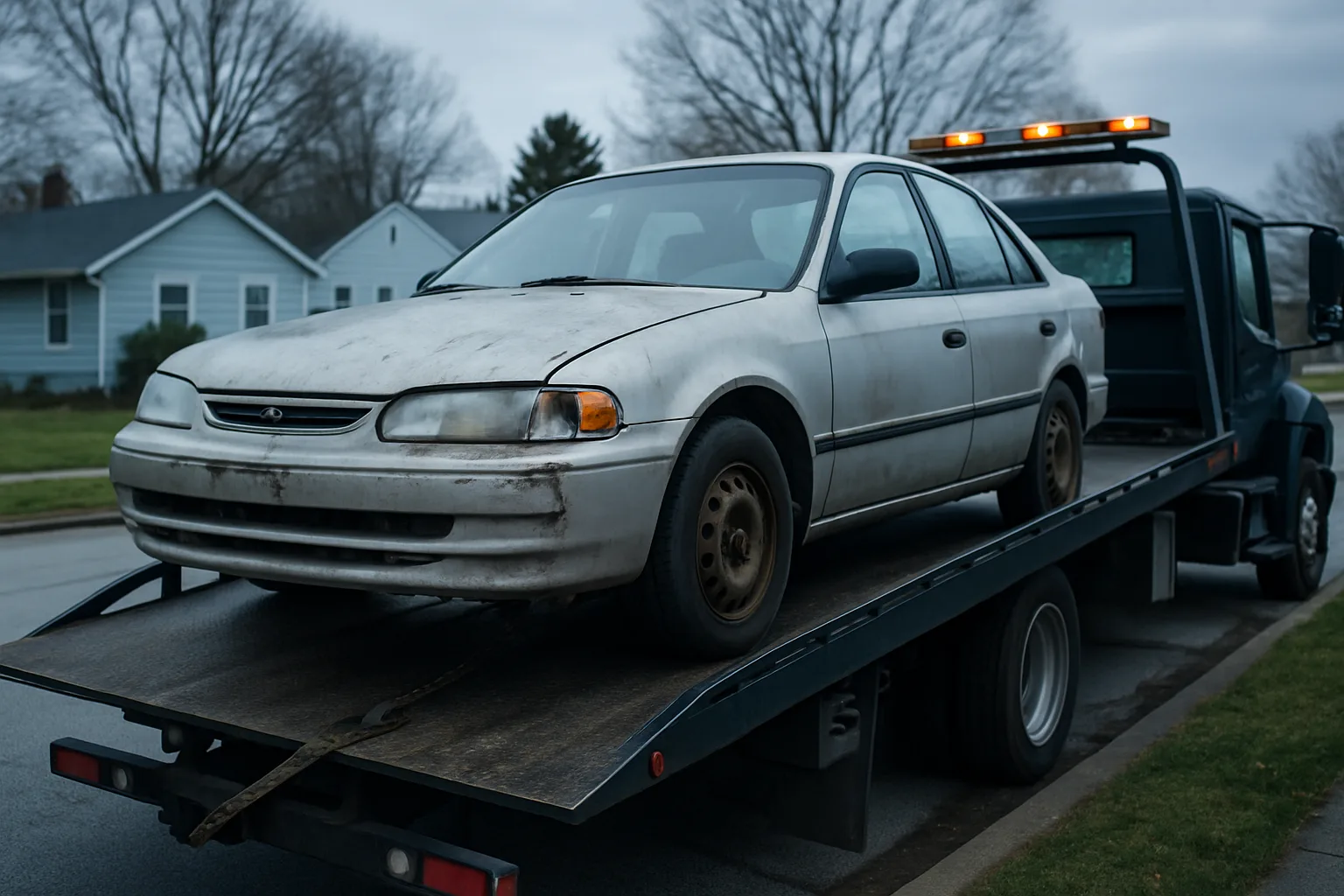
Does It Matter What Time of Year You Sell Your Junk Car?
Most car owners think scrapping a vehicle is simple: call a buyer, get a price, done. But here's what most people don't know — the season you sell in can move your payout significantly in either direction. Steel demand shifts. Salvage buyer activity fluctuates. Weather changes how quickly buyers can move and process inventory. If you're trying to sell my junk car Cambridge and you want the best return, timing matters more than you think.
This isn't about waiting forever for the "perfect" moment. It's about understanding what drives scrap car values so you can make a smarter decision — whether you sell today or plan ahead. Let's break down exactly how weather and seasons affect what your old vehicle is worth.
How Scrap Metal Markets React to the Seasons
Scrap car value is tied directly to metal markets — particularly steel and non-ferrous metals like copper, aluminum, and catalytic converter metals. These markets don't sit still. Demand from steel mills, auto manufacturers, and industrial buyers rises and falls throughout the year, and that movement flows all the way down to what a Cambridge yard will pay for your car.
Generally speaking, here's what the market tends to do across the calendar year:
- Spring (March–May): One of the stronger windows. Construction ramps up, manufacturing kicks back into gear, and steel mills start pulling more material. Demand for processed scrap rises, which means local yards often have more room to pay competitive prices.
- Summer (June–August): A mixed bag. Early summer can stay strong, but mid-summer sometimes sees a slowdown as some buyers reduce purchasing while they process existing inventory. Heat also slows yard operations in certain regions.
- Fall (September–November): Often a solid second window. Industrial activity picks up again before winter. Buyers are motivated. Inventory levels at recycling yards tend to drop heading into the cold months, which can work in your favour.
- Winter (December–February): Typically the softest period for scrap prices. Cold weather slows transportation, processing, and buyer activity across Ontario and much of North America. Fewer loads move. Yards get selective. Prices at the low end of the range are more common.
None of this is guaranteed — metal markets can defy seasonal patterns when global demand spikes or supply chains tighten. But these tendencies are real, and experienced recyclers factor them in every time they make a selling decision. Prices fluctuate constantly — always check current rates before making a final decision.
What Winter Does to Scrap Car Pickups in Ontario
Beyond the price angle, winter creates a practical problem: logistics get harder. In Cambridge and across Ontario, heavy snowfall, icy roads, and freezing temperatures make vehicle removal more complicated. Tow trucks have tighter schedules. Yard workers deal with frozen equipment and slower processing times. Some smaller buyers pause operations entirely during severe weather stretches.
This matters for you because delays cost money. If your car sits for weeks waiting on a pickup that keeps getting rescheduled, you're stuck. The vehicle isn't earning anything. It may be sitting on your property, accumulating potential fines if it's on a public street, or simply taking up space you need.
The practical advice here is straightforward: if your vehicle is near the end of its useful life and you're heading into a Canadian winter, consider moving sooner rather than later. Getting it removed in October or November — when buyer activity is still solid and roads are clear — is almost always smoother than trying to coordinate a scrap car removal in January. If you're also looking at Cambridge scrap metal services beyond just your vehicle, the same seasonal logic applies to yard drop-offs and bulk material sales.
Why Competition Between Buyers Changes Everything
Here's a truth most single-buyer setups don't want you to know: the price you get depends heavily on how many buyers are actually competing for your car. Call one buyer, you get one number. That number is almost always calibrated in their favour. They're not wrong for doing it — that's how buying works. But you're leaving potential value on the table.
This is where platforms like the SMASH Recycling auction platform change the dynamic entirely. Instead of one call to one buyer, your vehicle goes in front of vetted buyers across the network. They bid. Competition drives better price discovery. You see what the market actually thinks your car is worth — not just what one yard was willing to offer on a slow Tuesday in February.
More buyers means better price discovery. That's not a marketing line — it's how competitive markets work. When you want to sell my car fast Cambridge and still feel confident you're getting a fair number, removing the single-buyer bottleneck is the most direct way to get there. SMASH operates as a scrap metal auction platform built for exactly this — connecting sellers to a vetted buyer pool without a subscription fee. We only win when you do.
How Vehicle Condition Interacts With Seasonal Demand
The season affects base scrap prices, but your specific vehicle's condition affects how much of that base price you actually capture. Here's where it gets practical. A running or recently-driven vehicle is always easier to move. A non-runner that's been sitting outside through a Cambridge winter? That's a harder sale, and buyers know it.
Repeated freeze-thaw cycles do real damage to vehicles sitting idle. Fluids deteriorate. Seals crack. Rust spreads faster, especially on the undercarriage. Catalytic converters — often one of the most valuable components on a scrap vehicle — can corrode or get stolen if the car sits unprotected for too long. Every season it sits is a season where recoverable value can quietly walk out the door.
The smarter move is documentation. Photo documentation of your vehicle's current condition — before any seasonal deterioration worsens — gives buyers a clearer picture. Clearer pictures mean more confident bids. Platforms that support proper inventory documentation, VIN lookup, and photo capture make this process systematic rather than a guessing game. If you want to get a free car valuation with accurate current-condition data, starting that process now — before winter degrades your vehicle further — makes sense.
Timing Your Sale: A Practical Decision Framework
You don't need to be a metals trader to make a smarter selling decision. You just need to ask yourself a few questions before you pick up the phone or fill out a form.
- Is the vehicle getting worse each month? If yes, waiting doesn't help. A car that's actively deteriorating loses recoverable value faster than market fluctuations will ever make up for it.
- Are you heading into winter? If you're in September or October in Ontario and the car isn't going to be driven again, sell it now. Logistics are easier, buyer activity is solid, and you avoid the winter slowdown.
- Have you actually gotten more than one price? If not, you don't know what the market says your car is worth. One number from one buyer is not a market price.
- Do you know what's actually valuable on your vehicle? Catalytic converters, copper wiring, aluminum wheels, certain engines — these components have their own value layers on top of basic steel scrap weight. Knowing what you have changes how you sell.
If you want to get cash for your car in Canada and you're somewhere in this decision process, the worst thing you can do is delay without a reason. The second worst is accepting the first price offered without testing whether competition delivers something better. You can read car selling tips to get a fuller picture of how to approach the process, especially if this is your first time selling a scrap or unwanted vehicle.
What Cambridge Sellers Should Know Heading Into the Back Half of 2026
In Cambridge and across Ontario, the scrap car market in 2026 continues to reflect broader North American trends — fluctuating metal prices, tightening environmental regulations around vehicle disposal, and growing expectations from buyers for documented, well-photographed inventory. The days of a verbal description over the phone being enough to close a deal at a fair price are fading fast.
Buyers who use platforms with proper inventory tools, serial tracking, and vetted network access are increasingly setting the pace. As a seller, your best position is to meet that expectation — come to the table with a vehicle that's properly documented, priced based on competitive input, and ready to move. Whether you're selling a single car or managing a fleet of end-of-life vehicles, sell scrap car in Ontario the right way by understanding that preparation and competition matter as much as timing.
If you're ready to stop guessing and start getting real numbers, the process is straightforward. Get a quote, understand the current market, and move when it makes sense for your situation — not when one buyer tells you to. Get cash for your car in Canada and start with a free quote at cashfor-cars.ca — it takes minutes, and you'll know exactly where you stand.
Frequently Asked Questions
Q: Does the time of year really affect how much I get for my junk car in Cambridge?
Yes — seasonal shifts in steel demand, buyer activity, and logistics all influence scrap car payouts. Spring and fall tend to be stronger windows in Ontario, while mid-winter often sees softer prices and slower pickups. It's not dramatic every year, but it's real enough to factor into your decision if you have flexibility on timing.
Q: How fast can I sell my car fast in Cambridge if I need the money quickly?
With the right buyer network in place, same-day or next-day quotes are realistic. Actual pickup timelines depend on your location, vehicle condition, and current buyer availability — but a properly documented vehicle moving through a platform with vetted buyers tends to close faster than a cold call to a single yard. Avoid winter if you can, since weather adds delays.
Q: What documents do I need to sell a scrap car in Ontario?
In Ontario, you'll typically need the vehicle ownership (title) to complete a legal sale. If you've lost it, you can request a replacement through ServiceOntario before selling. Having your VIN readily available also speeds up the valuation and documentation process significantly.
Q: Why is my scrap car worth less in winter?
Multiple factors converge in winter: steel mills reduce purchasing, transportation costs rise, yard processing slows, and overall buyer competition drops. Fewer active buyers means less competitive pricing. On top of that, a car sitting through a harsh Ontario winter accumulates damage — rust, fluid degradation, potential theft of valuable components like cats — that further reduces its recoverable value.
Q: What's the difference between selling my car to a single scrap yard versus using an auction platform?
A single yard gives you one price — theirs. An auction platform puts your vehicle in front of multiple vetted buyers who compete for it. That competition tends to produce better price discovery, meaning you're more likely to see what the market actually values your car at rather than what one buyer was willing to offer that day. Platforms like SMASH are built specifically for this type of competitive, transparent selling process.
---Stay current on scrap metal market trends and industry insights — follow SMASH on LinkedIn at linkedin.com/company/scrap-metal-auction-sales-hub.